
Questions to Ask Before Converting a Van for Travel
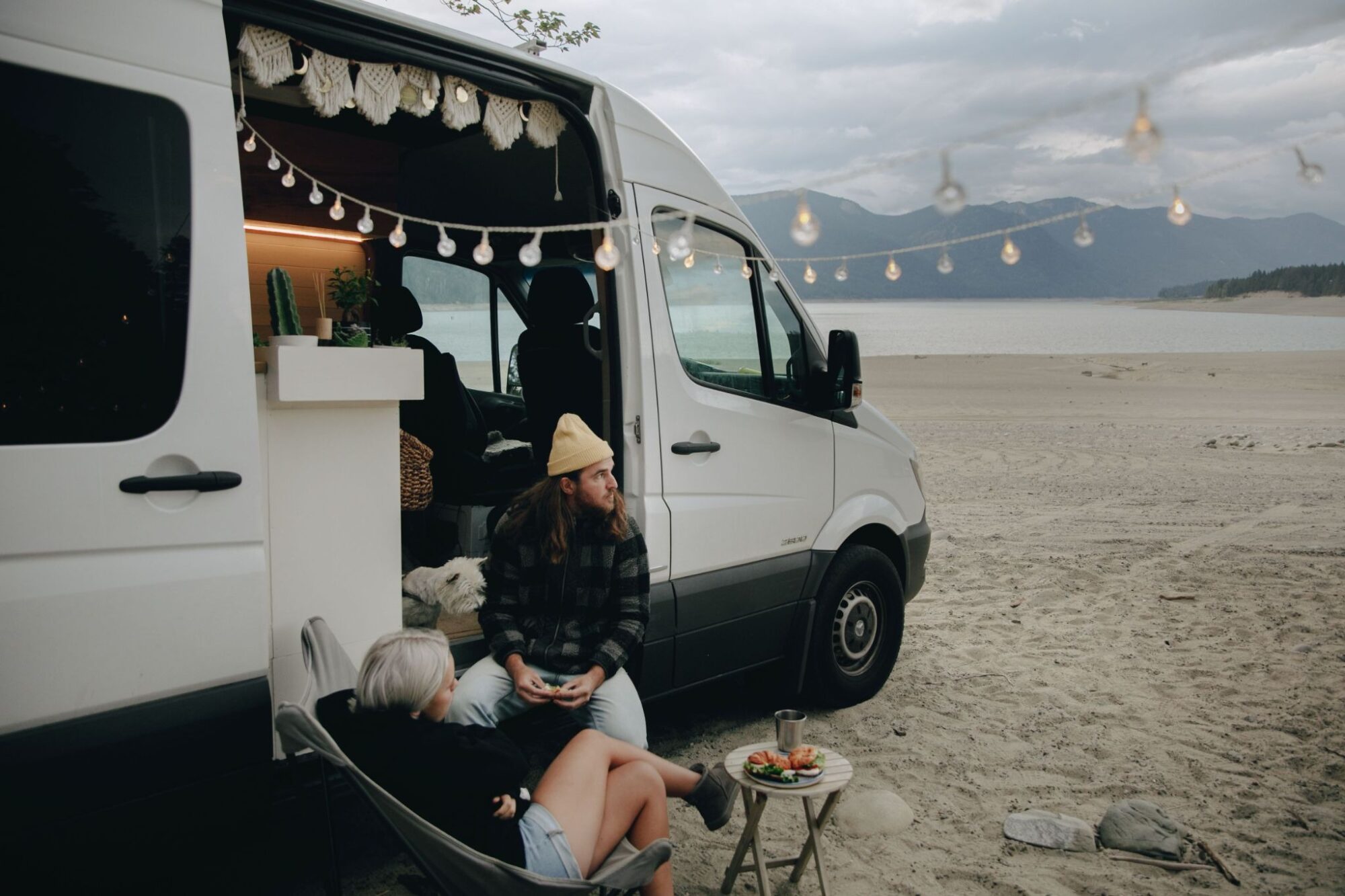
Converting a van to a liveable space when you’re on the road can be an exciting adventure. Being able to hit the open road and see the country while living in your accommodation can be incredibly freeing. However, if you’re not buying an already converted van and you’re doing the work yourself, it can often end up being a lot more than newbies initially expected.
This means that the initial decision to purchase a van needs to be right and that you need to ask a few important questions before you even begin the conversion process.
How Much Cargo Volume and Interior Height Do You Need?
Interior height determines whether it’s possible to stand up fully on the inside when the build is finished. And this is really important: it can impact your day-to-day living when in the van. Cargo volume impacts how much you can realistically fit once a bed, kitchen, and storage are built too, and vans that initially look spacious can feel tight once framing and insulation are taking up valuable inches on the ceiling and walls. A model like the transporter van has a mid-size footprint that many find strikes the right balance between liveable space and everyday drivability.
What Insulation and Ventilation Will the Van Require?
The climate the van will mostly be used in should drive the installation choice, as a van that is built suited for mild weather will fall short in extreme heat or cold. Ventilation matters just as much, particularly for controlling moisture and preventing condensation from building up inside the walls, which can lead to mold if unaddressed. A roof vent with a fan, however, can handle airflow better than windows alone, especially when cooking or sleeping with the van closed up.
How Much Solar and Electrical Capacity Is Enough?
Electrical needs depend heavily on what’s actually being run, from lighting and a fridge to charging devices or running a laptop for remote work. Underestimating this is one of the more common conversion mistakes, which leads to a system that can’t keep up with daily use. Solar capacity should be sized around the cloudiest conditions likely to be encountered, not the sunniest, since that’s when the system will need to perform reliably. Aim for a slightly oversized system to avoid the frustration of running out of power mid-trip.
What Water Storage and Plumbing Setup Fits Your Trips?
Your water needs will differ enormously depending on the trip length and locations. If you’re planning frequent stops at full hookup sites on your route, then you might not need to hold as much water compared to boondocking or staying at campgrounds without facilities. A simple jerry can setup works for short trips, but longer stretches off-grid benefit from built-in tanks and a pump system, result in added weight and complexity to the build. Remember that freshwater and greywater tanks will need emptying frequently, so tank size matters, as smaller tanks mean more frequent emptying, resulting in the requirement to plan your trip around stop points to enable you to do this.
Leave a Reply
You must be logged in to post a comment.