
Slow Living Lessons From a Life Surrounded by Animals
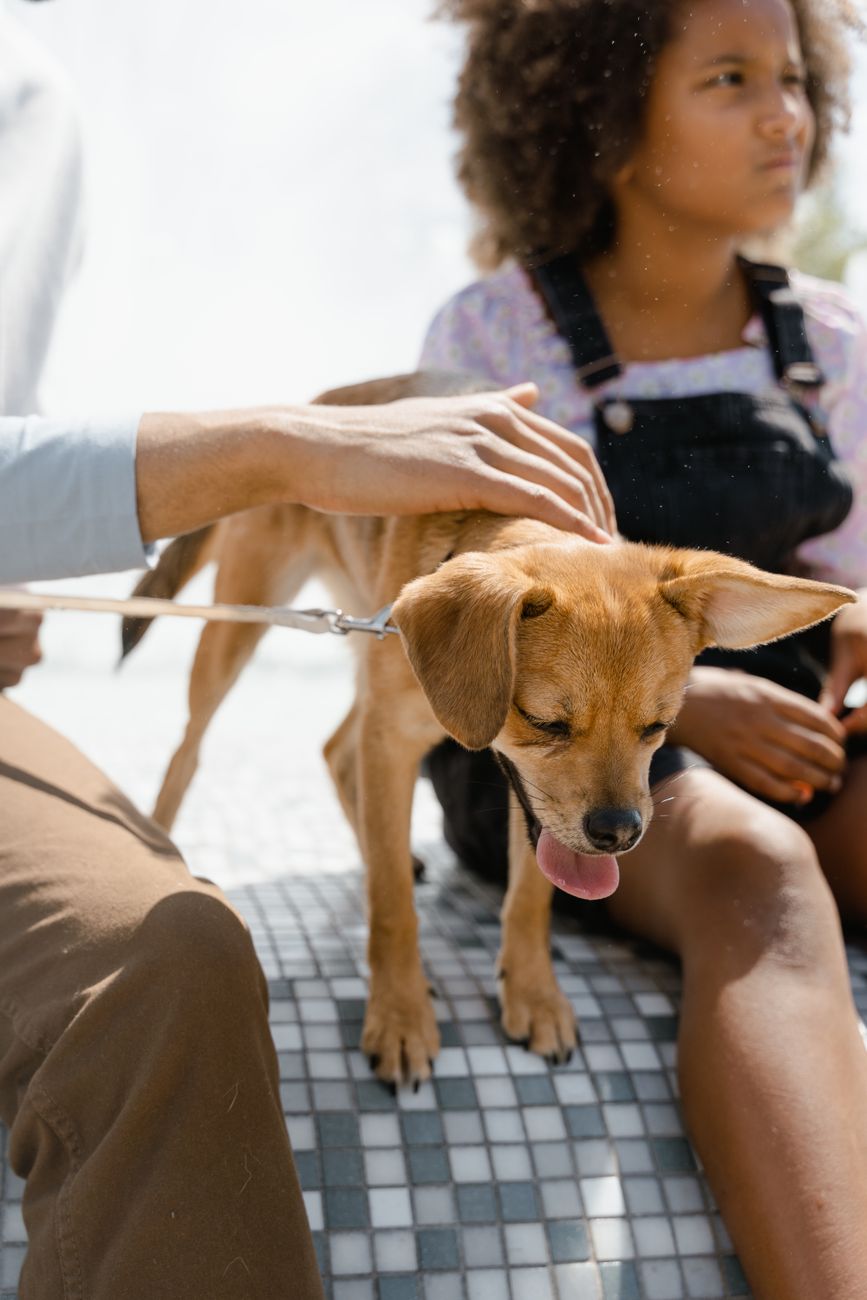
Slow living means paying closer attention to daily routines instead of rushing through them, and animals are one of the most direct ways to learn that skill. Feeding, mucking out, walking or checking on an animal can’t be sped up just because you’re short on time, and that limit quietly reshapes how a person moves through the day. Anyone who has spent years around horses, dogs or a mixed menagerie recognises the shift.
What tends to surprise people who take animals on later in life is how much of that slower pace comes from routine rather than any grand lifestyle change. It isn’t about moving to the countryside or giving up modern conveniences, though plenty of people who keep animals end up doing both. The lessons come from small, repeated tasks that happen at roughly the same time every day, which is exactly why they teach patience so well.
Animals Set the Pace, Not the Clock
A horse still needs turning out, a dog still needs walking, and hens still need letting out of their coop, whatever else is happening that morning. Chickens make the point well, since letting hens out twice a day is non-negotiable no matter the weather. That fixed, unglamorous care is where slow living actually starts. Once an animal’s needs shape a day, everything else has to fit around them instead of the other way round.
The Small Routines That Build Patience
Patience with animals isn’t a personality trait so much as something built through repetition, since the same small tasks come round again whether you feel like it or not.
Morning feeds: For anyone who keeps horses, this is where a good part of the routine sits, from checking hay and water to mixing in gut supplements for horses as part of getting the first feed ready before the rest of the yard is even awake.
Evening checks: Dogs get a last walk, stables get mucked out again, and troughs get checked before everyone is settled for the night, a routine that barely changes from one season to the next.
Doing the same checks at the same points in the day, over and over, teaches patience far more effectively than any single dramatic moment with an animal ever could.
What Doesn’t Change, Whatever the Day Looks Like
Weather, mood and how busy the day is meant to be all become secondary once animals are part of the picture, since their needs don’t flex to suit convenience. Horses show this clearly, since skipping daily turnout and grazing shows up fairly quickly in their behaviour and wellbeing. The same logic runs through almost every animal routine, whether it’s a dog needing a walk in the rain or a coop needing locking up on a freezing night.
Once someone gets used to slowing down for an animal that cannot be rushed, they tend to bring that patience into conversations and decisions that have nothing to do with animals at all. The lesson rarely arrives in one dramatic moment. It shows up in small, repeated actions, a feed mixed the same way each morning, a check made before bed, a walk taken regardless of the forecast, and it’s usually only in hindsight that the rest of life feels more settled too.
Leave a Reply
You must be logged in to post a comment.