
How to Plan a DIY Home Renovation Without the Stress
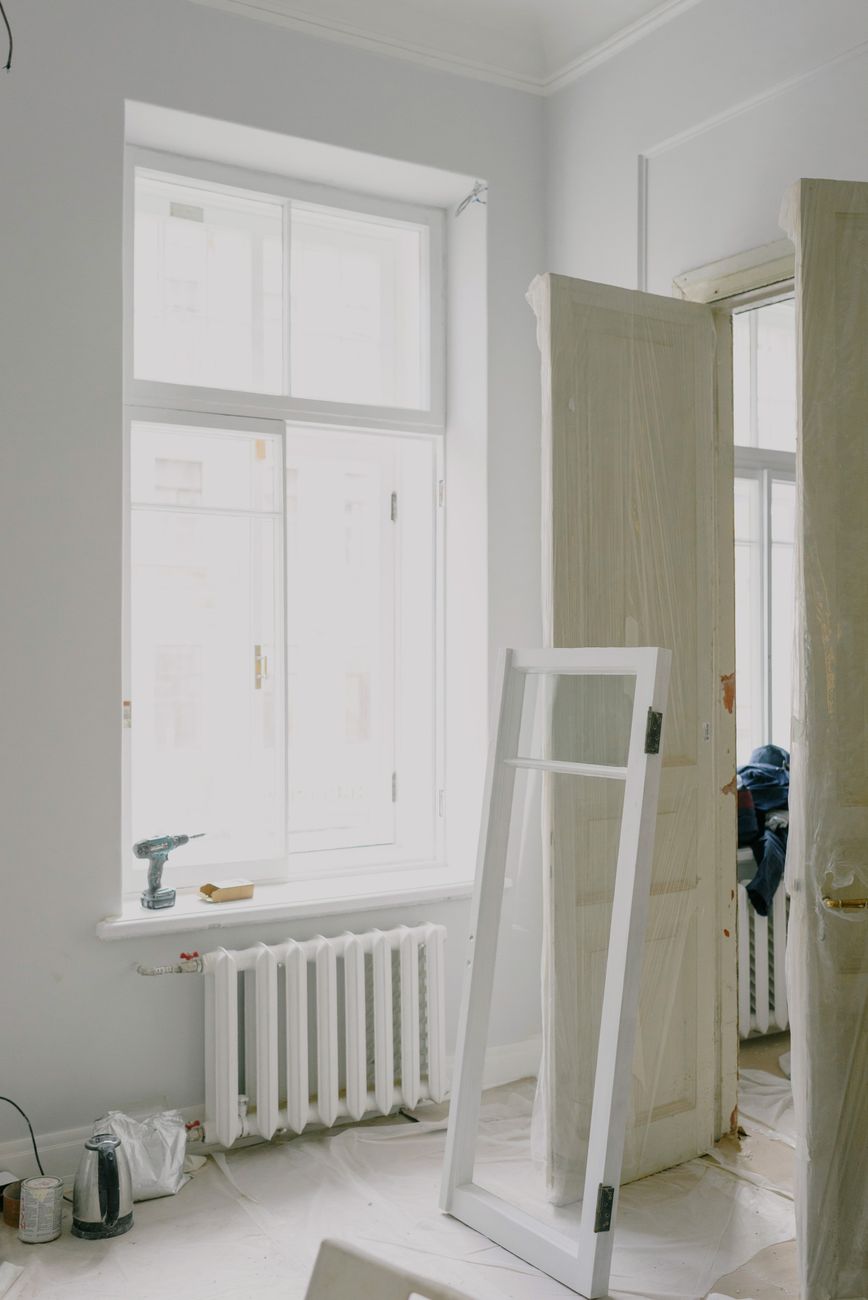
Renovating your own home can save a significant amount of money, but only if the project is planned properly from the start. A DIY renovation that begins with enthusiasm and no real structure tends to run into the same problems again and again, from budgets that quietly creep up to jobs left half finished because nobody worked out the right order to tackle them in.
Getting it right means thinking through budget, skill, permissions and logistics before a single wall comes down, rather than working it out room by room as problems appear. None of this removes the hard work involved, but it does mean fewer surprises along the way and a much better chance of actually finishing what you started.
Setting a Budget That Can Absorb Surprises
Money is usually the first concern, and doing the work yourself already counts among the most effective ways to cut costs on any renovation. Materials, tool hire and a contingency fund for anything unexpected still need their own line in the budget, and it helps to set that figure aside before any shopping starts rather than stretching whatever is left over at the end.
Clearing Waste and Getting Materials to Site
A few things are worth sorting out before the first delivery arrives or the first bag of rubble needs moving:
- Book a skip or licensed waste carrier for anything too big for the household bin
- Keep plasterboard separate from general rubble, since UK rules don’t allow it in mixed loads
- Order bulky materials like timber in one delivery rather than several smaller trips
- Keep a clear path to the property so deliveries and collections aren’t held up
Van hire in Preston covers the odd larger run, whether that’s a tip trip full of rubble or a one-off delivery of timber and plasterboard, without the cost of keeping a van parked on the drive for the whole project.
Working Out What You Can Actually Do Yourself
Painting, basic flooring and simple carpentry sit well within reach for most confident beginners, but plumbing, electrics and anything structural carry real risk if they go wrong. Getting an honest read on your own ability before picking up a tool saves money in the long run, since fixing a botched job often costs more than hiring a professional would have in the first place.
Checking What Needs Permission Before You Start
Not every renovation needs a call to the council. Internal changes, such as knocking through a stud wall or replacing a kitchen, usually fall outside planning control altogether, since several common home improvements don’t need planning permission thanks to permitted development rights. Anything that changes the shape of the building or sits in a conservation area is different, so it’s worth checking with the local authority first.
Building a Realistic Timeline Around Daily Life
Renovations nearly always take longer than the first estimate suggests, especially once DIY hours have to fit around a full-time job. Working room by room, in an order that keeps at least one bathroom and kitchen usable, makes the disruption far easier to live with than opening up the whole house at once. Building in slack for weekends lost to weather or tiredness keeps the project realistic instead of something that quietly drags on for months.
Leave a Reply
You must be logged in to post a comment.