
Creating a Bird-Friendly Garden When Space Is Limited
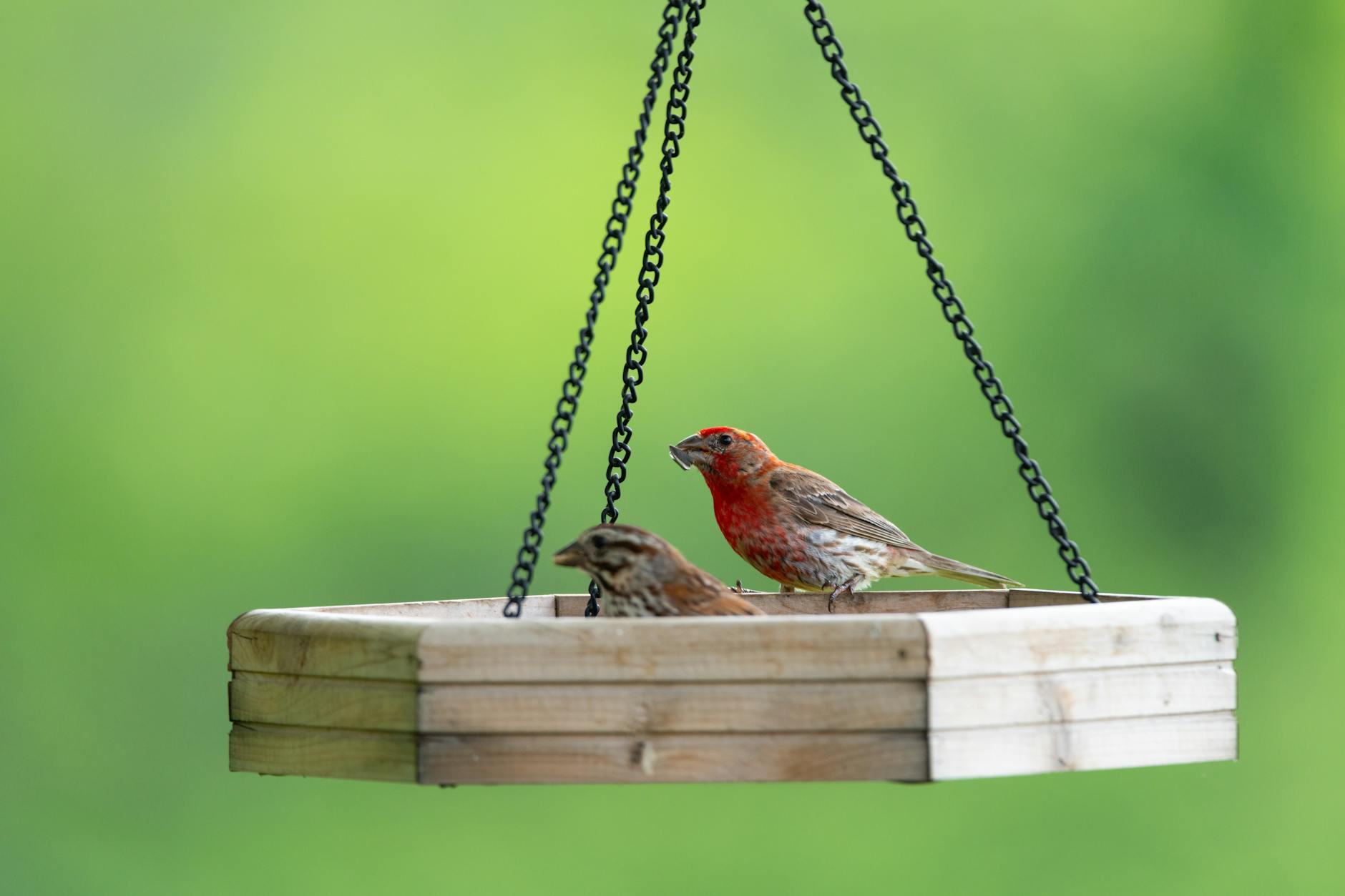
If your outdoor space is more balcony than back garden, it is easy to assume birds will pass you by. In reality, even the smallest patch of green, a narrow patio or a sunny window ledge can become a welcome stop for local wildlife.
A bird-friendly garden is not really about size. It is about offering the basics birds need to rest, drink, feed and shelter safely. With a few thoughtful choices, you can turn a compact space into somewhere that feels lively, seasonal and full of movement.
Start with the essentials
When space is tight, every feature needs to earn its place. Focus on three things first: food, water and cover. You do not need a lawn or a big border to make that happen.
For many small gardens, a window bird feeder is a great way to offer food without taking up precious floor space. It can also bring birds close enough to watch properly, which is one of the real pleasures of gardening for wildlife.
A shallow bird bath or even a sturdy saucer of clean water can make just as much difference. In built-up areas especially, fresh water is often harder for birds to find than food.
Choose plants that do more than look pretty
In a limited space, plants need to work hard. Go for varieties that provide seeds, berries, shelter or nectar across different seasons. Layering is useful too. A climber, a compact shrub and a few pots of flowering plants will create more interest for birds than a single large container.
Following a simple approach to wildlife garden design can help you think beyond decoration alone. Dense planting gives smaller birds somewhere to perch and retreat, while seedheads left standing into autumn can offer a natural food source.
If you have room for only a handful of pots, choose ones that extend the season. Early flowers support insects, which in turn feed birds, while later berries and seedheads keep the space useful for longer.
Think vertically
Walls, railings and fences are valuable in a small garden. Climbers such as honeysuckle or ivy can soften hard edges and create cover without swallowing up the ground. Hanging planters and shelf-style plant stands can also help you add more greenery without cluttering the space.
This layered look makes a compact garden feel fuller and gives birds more places to pause before approaching food or water.
Keep feeding areas safe and clean
Small spaces can concentrate mess quickly, so hygiene matters. Seed husks, droppings and old food are more likely to build up when feeders are close to seating areas or tucked into corners.
Good garden feeding hygiene means cleaning feeders regularly, refreshing water often and moving feeding points now and then if you can. It is a simple habit, but it helps protect the birds visiting your space and keeps your garden more pleasant for you as well.
Try to place feeders near cover, but not so close that predators can use it for ambush. A nearby shrub or climber gives birds confidence, while a little open space around the feeder lets them keep watch.
Let the garden feel a little softer
A bird-friendly space does not have to look wild, but it should not feel too tidy either. Leaving a few seedheads, allowing a corner to stay slightly looser, or resisting the urge to clear every fallen leaf can all make a difference.
These quieter, messier details support insects and create the sense that your garden is part of a wider living environment, not just a neat outdoor room.
Even in a very small space, that shift in approach can attract more birds than you might expect. Start with one feeder, one water source and a few well-chosen plants, then build from there. The result will not just help wildlife. It will make your garden feel richer, calmer and far more alive.
Leave a Reply
You must be logged in to post a comment.