
How Minimalism is Redefining Comfort in Modern Homes
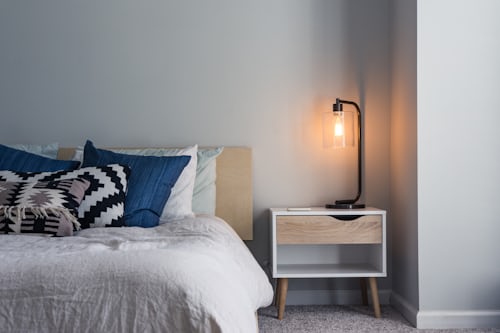
In recent years, the minimalist movement has swept through the world of interior design, especially in modern homes, where the emphasis is on simplicity and intentional living. As people gravitate toward decluttered, calm, and serene spaces, the way we define comfort is evolving.
Gone are the days when comfort was synonymous with plush couches, crowded shelves, and overflowing closets. Instead, minimalism is reshaping our living spaces into areas that breathe simplicity, clarity, and a sense of balance.
This approach to design highlights the importance of thoughtful choices. Every item has a purpose, and no object exists simply for the sake of filling a room.
Let’s discuss further.
The Minimalist Master Bedroom: A Sanctuary of Simplicity
At the heart of any minimalist home is the master bedroom. It serves as the ultimate retreat—a space where peace and comfort are paramount. Minimalism in the master bedroom embraces the idea of removing distractions to create a calm, restful environment.
The absence of excessive furniture and décor fosters a sense of tranquillity, which is vital in a room intended for rest and rejuvenation.
When designing a minimalist bedroom, the focus shifts to quality over quantity. A bed becomes the centrepiece of the room, with clean linens and simple frames. Storage solutions are often cleverly hidden to maintain the room’s clean aesthetic, while natural light is maximised to enhance the space’s openness. The goal is to create a room that feels open, airy, and functional without compromising comfort.
One key element of a minimalist bedroom is choosing furnishings that prioritise comfort without adding visual clutter. This is especially important for the bed, where selecting the right mattress plays a pivotal role in the overall experience. For many, the move toward organic mattresses is a natural extension of the minimalist lifestyle.
These mattresses not only offer comfort but also promote a healthier sleeping environment by using natural materials that are free from harmful chemicals. Visit a Panda London showroom to speak with a specialist and discover how organic mattresses can enhance your sleep and overall well-being.
The Living Room: Less is More
The living room is often the hub of the home, where families and guests gather. In a minimalist home, this space needs to function without feeling chaotic or overwhelming. The focus is on carefully selected pieces that are both practical and aesthetically pleasing. Minimalist living rooms typically feature streamlined furniture with clean lines and neutral colours. This allows for an open, inviting space that is comfortable but never cluttered.
Instead of filling every wall and surface with decorations, minimalist living rooms often feature a few statement pieces. These can be a large piece of art, a simple yet striking lamp, or a coffee table that serves both as a functional element and a focal point. The balance between open space and thoughtfully chosen items creates a room that is as relaxing to the eye as it is to the body.
One of the hallmarks of minimalist living rooms is the intentional absence of unnecessary items. Shelving units may display only a few key objects, such as a well-curated collection of books or a single plant. The idea is to create a space that feels lived in but not overrun with things. Each item is there for a reason, contributing to the overall sense of calm and order.
Kitchens: Functionality with Style
Minimalism in the kitchen is all about creating a space where functionality meets style. This is one area of the home where clutter can easily accumulate, so a minimalist approach to design is particularly beneficial. Clean countertops, simple cabinetry, and a neutral colour palette are typical features of a minimalist kitchen.
The goal is to make the space as efficient and user-friendly as possible while maintaining an aesthetic that is calming and uncluttered.
A key principle in minimalist kitchen design is the idea of “hidden storage.” Items that are not used daily are often stored out of sight, helping to keep countertops free from visual distractions. Open shelving may be used sparingly, featuring only a few select items, such as a set of well-designed dishes or glassware.
By focusing on quality over quantity, minimalist kitchens promote a sense of order and ease, making cooking and meal prep more enjoyable.
Bathrooms: Serenity in Simplicity
The bathroom is another key area in minimalist homes, where simplicity can dramatically enhance comfort. A minimalist bathroom is a place for relaxation, where the design focuses on creating a spa-like atmosphere through clean lines, neutral tones, and minimal accessories. The clutter of bottles and products is kept out of sight, and the focus is on creating a calming environment that allows for relaxation and self-care.
Fixtures in minimalist bathrooms tend to be sleek and understated, with an emphasis on natural materials such as stone, wood, and glass. These elements work together to create a space that feels both luxurious and functional. By eliminating unnecessary décor, the bathroom becomes a serene escape, a place to unwind and recharge after a long day.
Minimalism as a Lifestyle Choice
Minimalism isn’t just a design trend; it’s a lifestyle choice that promotes a more intentional way of living. By focusing on simplicity and functionality, homeowners can create spaces that are not only aesthetically pleasing but also deeply comfortable. Minimalist homes offer a sense of order and calm that is often missing in more cluttered, traditionally decorated spaces.
Incorporating minimalist principles into your home doesn’t require a complete overhaul. Small changes, such as decluttering, choosing quality over quantity, and embracing neutral tones, can make a significant impact. Over time, these small adjustments can lead to a home that feels more comfortable, spacious, and relaxing.
Ultimately, minimalism is about creating a home that supports your well-being, both physically and mentally. By stripping away the unnecessary, you make room for what truly matters, allowing your home to be a place of rest and comfort.
This shift in how we view comfort is redefining modern homes, making them more in tune with the needs of their occupants.
All in all, as minimalism continues to influence modern home design, the focus on simplicity, intentionality, and comfort will only grow stronger. Whether it’s through carefully curated décor, smart storage solutions, or the use of natural materials, minimalism offers a fresh perspective on what it means to create a comfortable and functional living space.
Leave a Reply
You must be logged in to post a comment.