
Fake Hanging Plants vs Real Plants: Which Option Enhances Indoor Aesthetics?
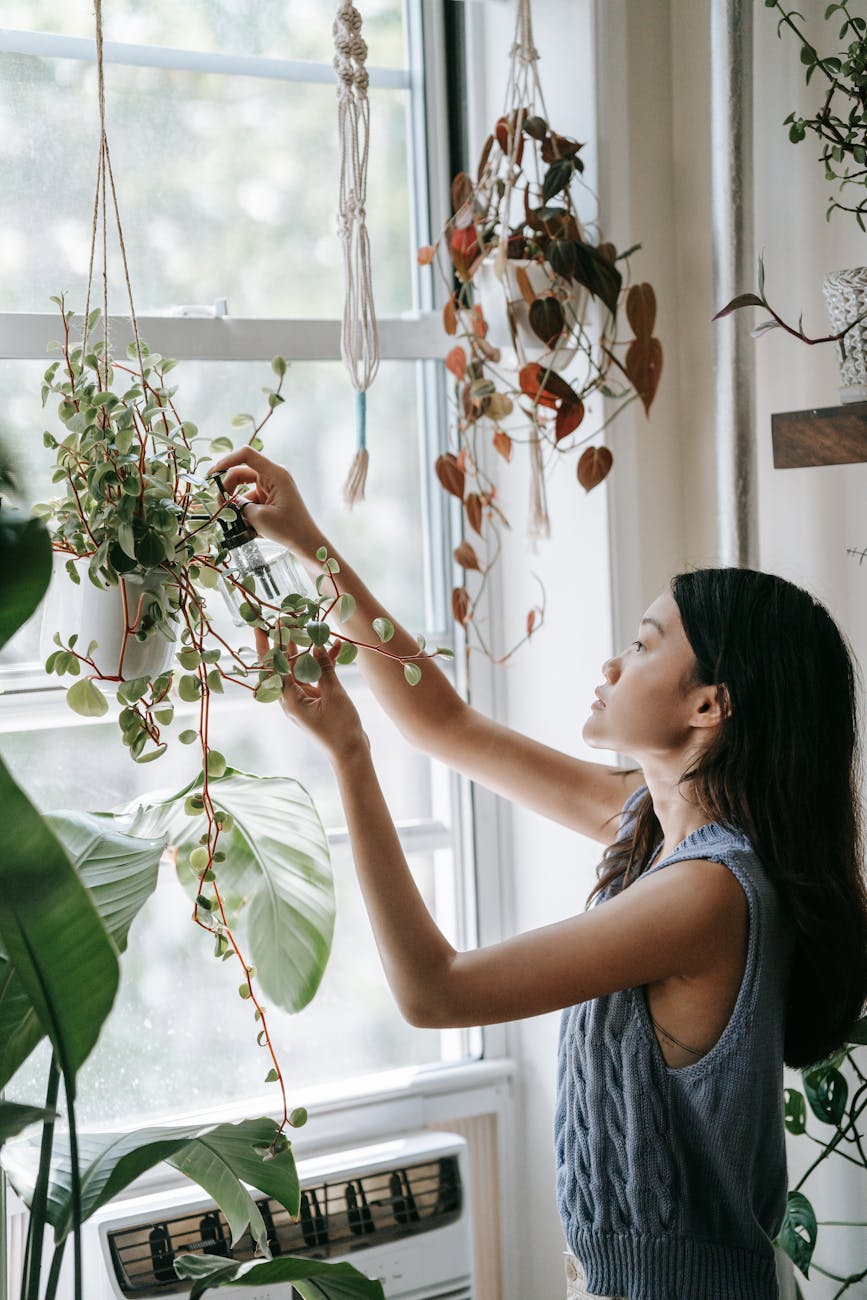
When it comes to enhancing indoor aesthetics, both Fake Hanging Plants and real plants offer distinct advantages. Agencies specializing in home decor often face the dilemma of choosing between these two options for clients seeking to elevate their living spaces. Whether you’re aiming for a seamless integration with your existing Style Guide Compliance or looking to create a refreshingly natural atmosphere, the decision depends on several factors. In this article, we’ll explore the benefits and drawbacks of fake and real plants, focusing on style, maintenance, cost, and longevity to help you make an informed choice.
Fake Hanging Plants: A Stylish Alternative for Indoor Decor
Fake Hanging Plants have gained popularity as a versatile addition to indoor decor. These plants provide an opportunity for agencies to exercise their Visual Merchandising Strategy without the constraints of plant care. They can be strategically placed to complement any Trend Forecasting Analysis, offering a consistent look throughout the seasons. With the advancements in Fabrication Specifications, today’s fake plants are incredibly realistic, making them a preferred choice for home staging and retail displays.
Additionally, fake plants require minimal setup, making them ideal for agencies focusing on quick transformations. For instance, a Home Staging Consultation might utilize fake plants to enhance the ambiance of a room instantly. A recent report by Houzz suggests that high-quality fake plants are often indistinguishable from their real counterparts, adding to their appeal for those seeking a low-maintenance option.
The versatility of fake plants extends to their ability to fit various Colorway Development schemes, ensuring that they align with the client’s Brand Aesthetic Alignment. This flexibility is particularly advantageous for agencies aiming to create cohesive and visually appealing environments without compromising on style.
Real Plants: Bringing Nature Indoors for Aesthetic Appeal
Real plants offer a unique way to bring nature indoors, adding a fresh and vibrant touch to any space. Agencies leveraging real plants can enhance a client’s space with natural elements that contribute to a calming atmosphere. The use of real plants in Mood Board Presentation allows for customization based on specific themes or seasonal changes.
The presence of real plants can significantly improve air quality, contributing to a healthier indoor environment. According to research by the National Institutes of Health, plants can reduce indoor pollutants, making them a valuable addition to homes and workspaces focused on well-being.
Real plants are also a key element in an Influencer Collaboration Framework, where their organic beauty can be showcased to engage audiences. However, they require careful consideration of factors such as light, water, and temperature, which can influence their growth and appearance.
Comparing Maintenance and Care Requirements
One of the primary considerations when choosing between fake and real plants is the maintenance and care each requires. Fake Hanging Plants are virtually maintenance-free, making them an excellent choice for agencies with limited time or resources to dedicate to plant care. They remain vibrant without the need for watering, pruning, or specific environmental conditions.
In contrast, real plants demand regular attention to thrive. This includes consistent watering, appropriate sunlight exposure, and occasional fertilization. Agencies that excel in Customer Journey Mapping can use real plants to create an evolving experience, where the growth and change of plants add to the dynamic nature of the space.
Ultimately, the choice between fake and real plants hinges on the level of commitment an agency is prepared to invest in plant care. Each option presents unique opportunities to enhance indoor aesthetics through thoughtful integration into the overall design strategy.
Evaluating Cost and Longevity of Each Option
The cost and longevity of fake versus real plants are critical factors for agencies to consider. Fake Hanging Plants, such as those available at Fake Hanging Plants, typically represent a one-time investment. They maintain their appearance over time without the need for replacement, offering a cost-effective solution for long-term decor plans.
Real plants, while initially less expensive, can incur ongoing costs related to their care and maintenance. Over time, these expenses may surpass the initial investment in fake plants. However, the natural growth and changes of real plants can add value and authenticity to a space that some may find worth the additional cost.
For agencies involved in Seasonal Lookbook Creation or E-commerce A/B Testing, the decision may also depend on the specific goals of the project. Real plants can introduce seasonal variation, while fake plants offer consistency and reliability in visual presentation.
Conclusion
Choosing between fake and real hanging plants involves careful consideration of style, maintenance, cost, and longevity. Agencies must weigh these factors against their specific design objectives and client needs. Both options offer unique advantages, with fake plants providing ease and consistency, while real plants deliver natural beauty and health benefits. Ultimately, the right choice will align with the agency’s overall strategy and enhance the desired indoor aesthetics for their clients.
Leave a Reply
You must be logged in to post a comment.