
Screen-Free Activities That Keep Children Moving and Laughing
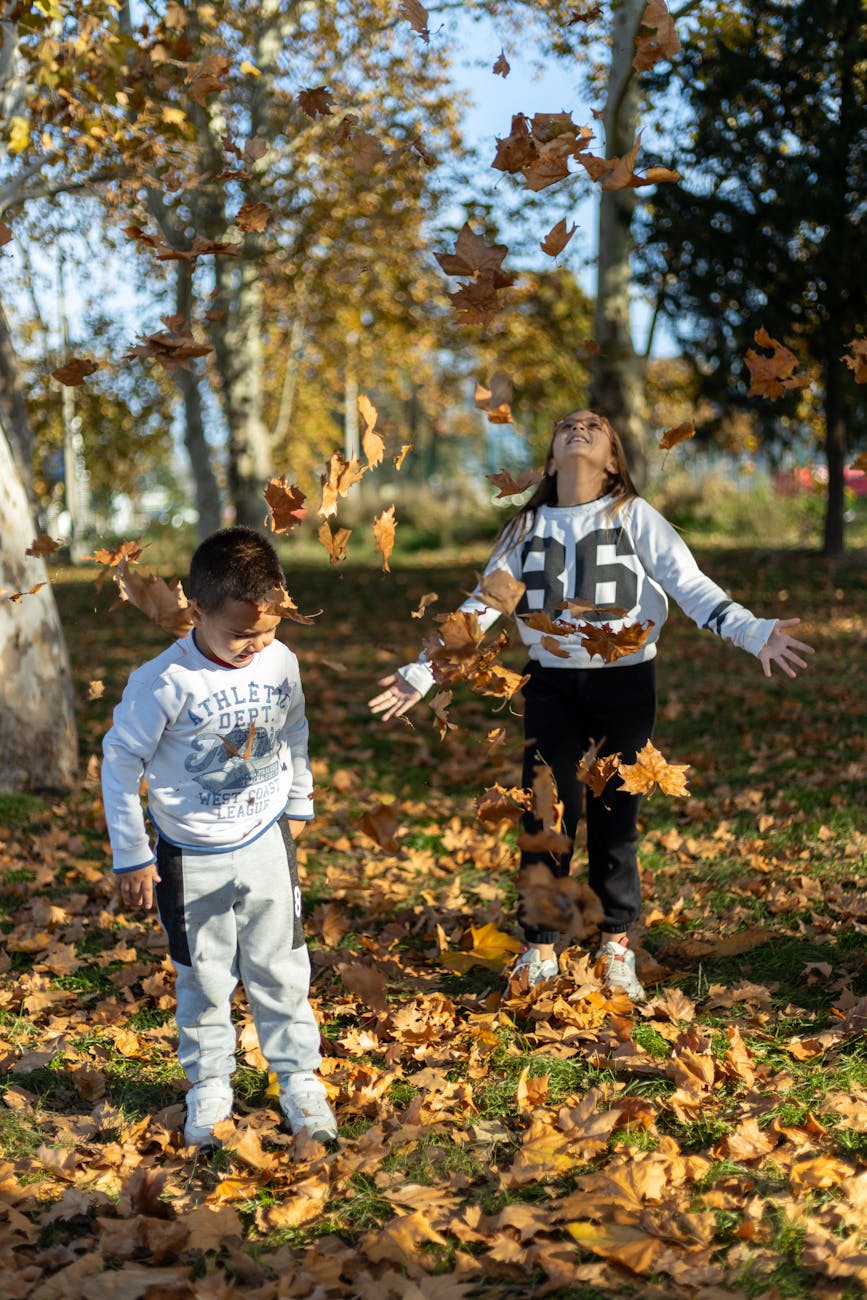
The tablet battery dies, the rain has stopped, and the children suddenly have more energy than the house can hold. That awkward half-hour after school or before dinner can either slide into grumbling, or turn into the kind of noisy play that leaves everyone pink-cheeked and hungry.
Screen-free fun works best when it feels easy to start. Children don’t usually need a perfect plan. They need space, a reason to move, and permission to be a bit ridiculous without every minute turning into a lesson.
Turn the Garden Into a Mini Challenge Zone
A few household items can change the mood outside. Put cushions on the grass as stepping stones, hang a towel between chairs for a limbo bar, or use chalk to draw start lines, islands and silly rules on the patio. The game can change every five minutes, which is often exactly what younger children need.
Bigger movement works well when children can repeat it in their own way. Some families look at bouncy castles for sale for birthdays, garden parties or club events, because bouncing turns exercise into races, tumbles and laughter without anyone calling it exercise.
Keep the rules short. “Get from the shed to the apple tree without touching the grass” is easier to love than a long explanation. Let children invent penalties too, especially if the forfeit is hopping, roaring like a dinosaur or walking backwards.
Bring Back Games That Need Almost Nothing
Children often laugh hardest at games adults remember from their own childhoods. Tag, stuck in the mud, hide and seek, sardines and grandmothers’ footsteps all work because they’re simple, fast and slightly chaotic.
Try these when everyone needs movement without much setup:
- Animal races, with crab walks, frog jumps and penguin waddles
- Balloon keep-up, using hands, elbows, knees or heads
- Sock basketball into a laundry basket
- Musical statues with the silliest poses possible
- Treasure hunts using colours, textures or sounds
Games from other places can add fresh ideas too, and outdoor games from around the world can show children that play travels across countries, seasons and generations. A familiar garden suddenly feels new when the rules come from somewhere else.
Use the House When the Weather Wins
British weather has a habit of ruining good intentions, but indoor play doesn’t have to mean sitting still. A hallway can become a delivery route for toy parcels. A living room can host a dance-off, a cushion obstacle course or a “don’t wake the giant” tiptoe game.
The trick is to choose activities that match the room. Loud stomping may not work in a flat, but balancing a book on your head, crawling under chairs or playing mirror movements can still burn energy. If space is tight, use small bursts: two songs of dancing, five minutes of balloon volleyball, then a quieter task.
If the room has breakables, keep the pace short and contained. A few active indoor party games can be scaled down for two children as easily as a birthday crowd, from balloon challenges to silly races across the rug.
Make Laughter Part of the Plan
A child who feels watched or corrected may stop playing fast. Join in badly on purpose. Miss the catch, dance like a robot, crawl through the tunnel and get stuck. Children love being the expert, especially when adults are willing to look foolish.
Not every screen-free activity will land. Some days the chalk gets ignored and the treasure hunt lasts three minutes. That’s fine. Keep a few easy ideas ready, follow the giggles when they start, and let movement feel like play rather than another thing to manage.
Leave a Reply
You must be logged in to post a comment.