
Your Guide to Keeping Industrial Operations Moving
Something always breaks five minutes before a shift ends, and somehow it is never the small thing you can ignore. It is the part no one checked, or the one that “looked fine” last week, but suddenly is not. You see the line slow down, then stop, and people start looking around without saying much.
If you have spent enough time around industrial work, you stop being surprised by this. Things wear out, systems drift, and small delays stack up until they turn into something larger. What matters more is how those moments are handled and what was put in place before they happened. Most of the work, the real work, happens long before anything actually fails.
Why Small Delays Turn into Bigger Problems
Small delays rarely stay small. One machine stops, another team waits, schedules shift a little, and by the end of the day the lost time is hard to trace. It does not feel dramatic while it is happening. It just drags. Many teams respond by moving faster, calling in extra help or rushing parts, which works briefly but misses the root of it. The real issue often sits in how parts are chosen, how maintenance is handled, and how early signs are treated. People adapt to minor faults, stop flagging them, and slowly the whole system leans on workarounds.
Building Consistency Through Better Parts Decisions
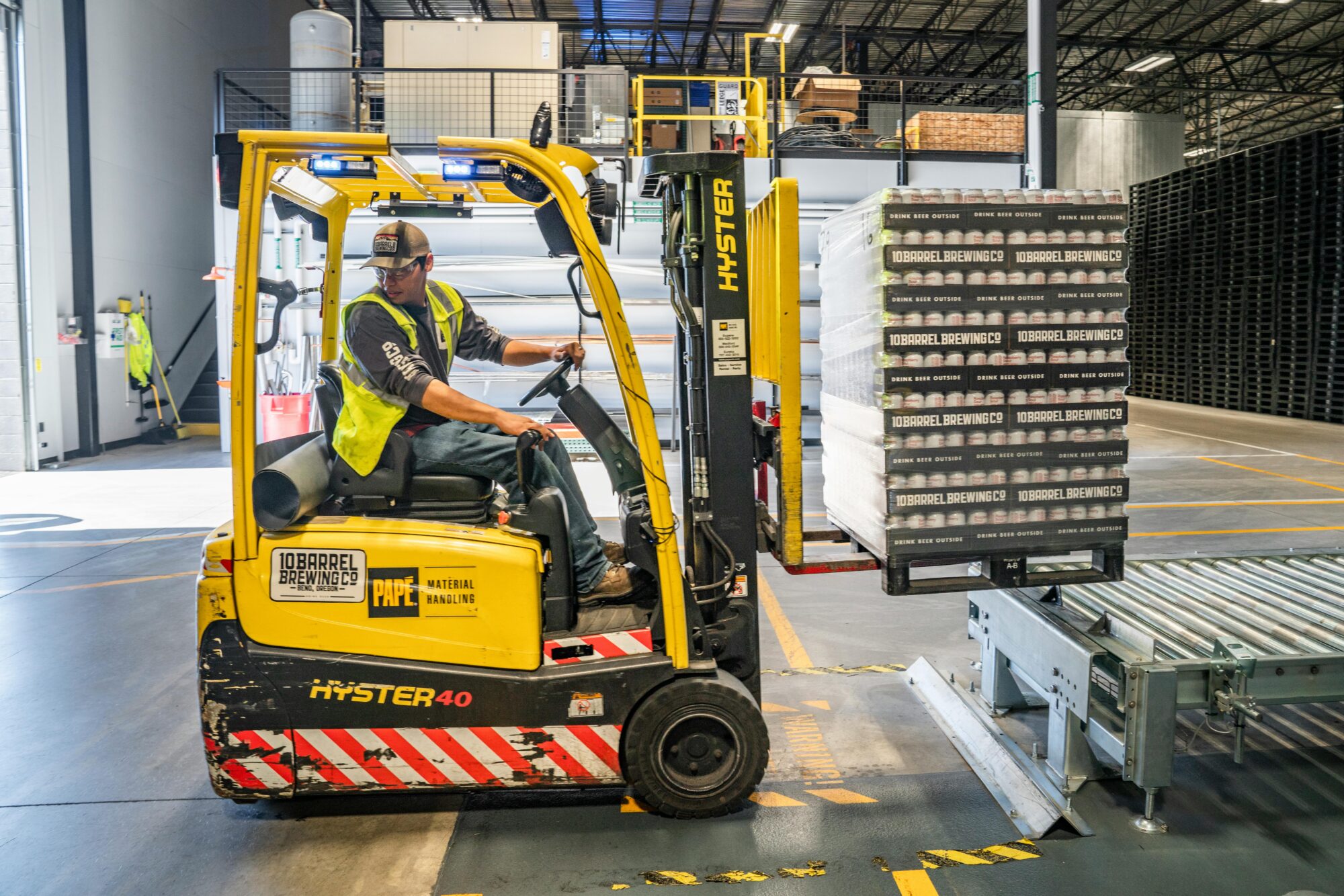
A steady operation often comes down to simple choices that are made early and then repeated. The way parts are selected, stored, and replaced has more impact than most people expect. You may invest in the best equipment, but if the replacement parts are not of equally reliable quality, your operations will always be at risk of downtime. Investing in the durable Kalmar aftermarket parts ensures your forklifts keep running efficiently at all times. It is not just about cost. It is about fit, timing, and whether the part will behave the way it should under real conditions.
There is usually a gap between what is available and what is actually needed on the floor. Catalogs look clean, but real equipment does not. Machines age in uneven ways. Some components last longer than expected, others fail sooner, and that makes planning harder than it sounds. When teams start paying closer attention to how replacement components perform over time, patterns show up. Certain types hold up better. Some suppliers are more consistent. Others cause small issues that only become visible after weeks of use. These details matter, even if they feel minor at first. It is less about brand loyalty and more about finding parts that match real-world wear and usage. The goal is not to experiment, but to reduce uncertainty where possible.
Maintenance is Not Just a Schedule
Most places have a maintenance schedule. But schedules alone do not keep things running. They are just a starting point. What matters more is how closely those schedules match reality. Equipment does not fail on a calendar. It fails based on load, environment, and how it has been used over time. A machine that runs in heat and dust will not behave the same as one in a cleaner space, even if they are technically identical.
This is where observation comes in. The people who work closest to the equipment usually notice changes first. A sound that is slightly off. A vibration that was not there before. These are small signals, but they tend to show up before a real failure. When those signals are ignored, the schedule becomes a kind of guess. When they are taken seriously, maintenance becomes more flexible and accurate.
The Role of Inventory That Actually Makes Sense
Stocking parts sounds simple until you try to do it well. Too little inventory and you risk delays. Too much and you tie up money in things that may not even get used. Most operations sit somewhere in the middle, adjusting as they go.
The problem is that inventory decisions are often based on past assumptions. What was needed last year might not match what is needed now. Equipment changes. Workloads shift. Even supplier timelines can change without much warning.
A more grounded approach looks at usage patterns over time, not just in snapshots. Which parts are replaced often? Which ones fail without warning? Which ones take longer to arrive? It is not perfect, but it gives a clearer picture than guessing. There is also a tendency to overlook smaller components. Seals, filters, and connectors. They do not cost much, so they do not get much attention. But when one of them fails, and there is no replacement on hand, everything stops just the same.
The Cost of Planning That Looks Right But Feels Wrong
There are plans that check every box on paper, but still do not sit right once work begins. You can follow them step by step and still feel like things are slightly off, like the timing is too tight or the order of tasks does not match how people actually move.
This usually comes from planning being done a bit too far from the floor. Decisions get made with clean data, but without the small details that shape real work. How long something actually takes, not how long it should. How people hand things off, not how it is written down.
Over time, teams start adjusting these plans quietly. They skip steps, reorder tasks, or leave gaps where they know delays will happen. It works, but only just. The plan still exists, but it is no longer the one being followed. Smarter planning, in a practical sense, tries to close that gap. It does not aim for perfection. It just tries to match reality a little more closely, so people do not have to fix the plan while doing the work.
Adjusting Without Overcorrecting
There is a point where trying to fix every issue can create new problems. Overcorrecting is common, especially after a failure that caused real disruption. New rules get added, extra checks are introduced, and suddenly the system becomes heavier. Ignoring problems is not a solution. But not every issue needs a large response.
It helps to step back and look at patterns instead of single events. One failure might be an exception. A repeated issue points to something deeper. Treating both the same way can lead to wasted effort. When something goes wrong, which it will, ensure the recovery is faster, quieter, and a bit more controlled.
Top of Form
Bottom of Form
Leave a Reply
You must be logged in to post a comment.