
The best ways to prepare your teenager for hitting the roads.
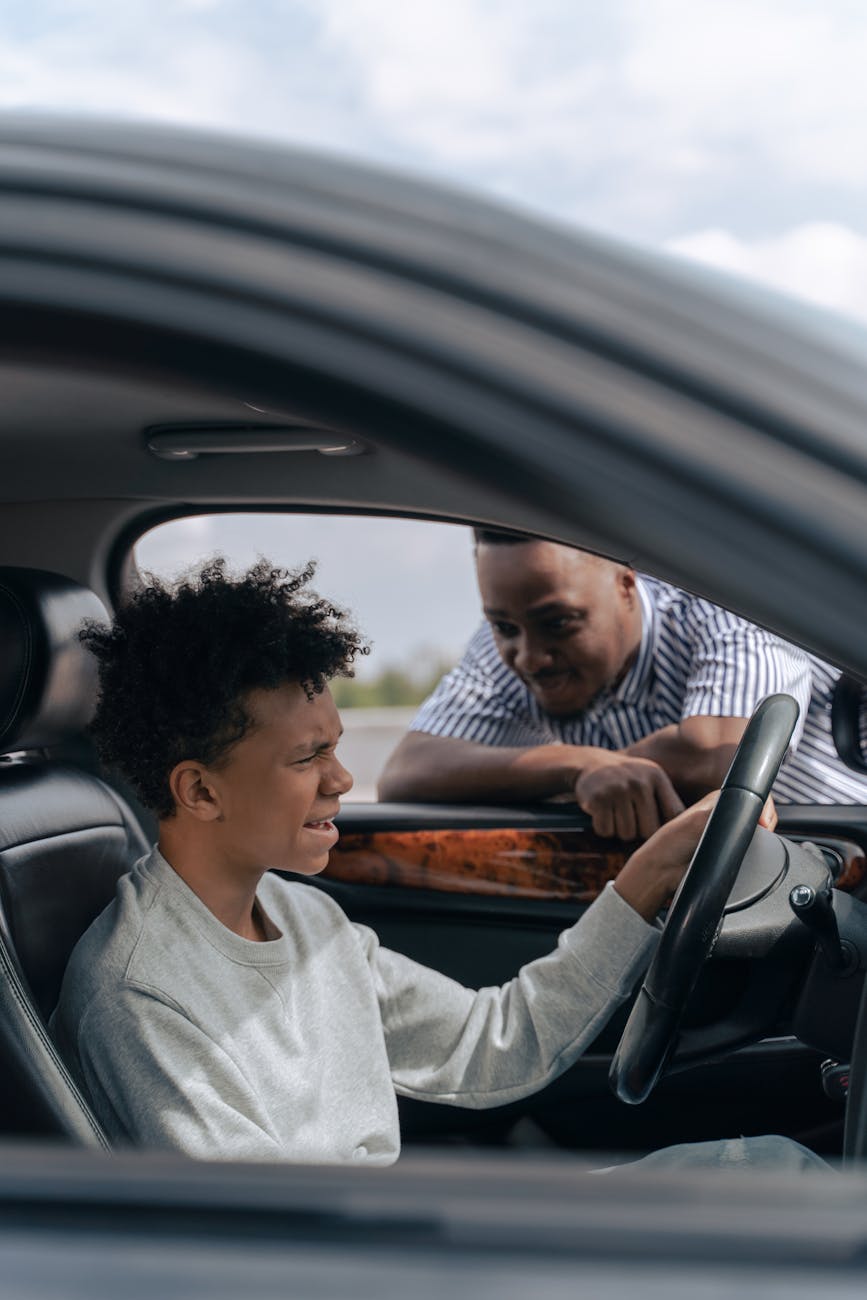
Handing your teenager the car keys is a big milestone, often mixed with nerves. While you recall the excitement of new freedom, today’s roads are much busier and require sound judgment. Preparing them involved helping them understand road rules, driver behaviour, and the real-world impact of their choices. This steady, practical approach builds confidence and makes solo journeys safer and calmer.
Start with the Basics: Theory, Hazard Awareness, and Road Familiarity.
Before your teenager even sits in the driver’s seat, theory knowledge shapes how they read the road. They need to learn to read road signs. Speed limits and right-of-way rules are important because they help people learn to react faster when situations change and feel more confident. You can reinforce this by discussing everyday journeys, such as why traffic slows near schools or how roundabouts prioritise flow instead of speed.
Hazard awareness matters just as much because spotting a cyclist or anticipating a pedestrian stepping out gives your teenager precious seconds to respond safely. This context also helps later conversations about signing up for telematics insurance.
Choose the Right Driving Instructor and Support Their Practice.
A good driving instructor teaches your teen how to pass a test. They also explain reasoning and encourage calm decision-making. When your teenager understands why an instructor asks for a certain mirror check or speed adjustment, they build habits that last beyond the exam. You can support this learning by practising between lessons in quiet areas. Short, familiar routes often work better than ambitious drives. Choose an instructor who communicates clearly and adapts their approach to your teenager’s pace, since trust and clarity reduce anxiety and help new skills stick.
Teach Safe Driving Habits from Day One.
Teenagers absorb behaviour quickly, especially when it comes from you. If you anticipate hazards, stay patient in traffic, and respect speed limits, you set a powerful example that shapes how your teenager drives when you are not there. Talking through your decisions can also demystify the road, such as explaining why you leave extra space in wet weather or slow slightly near parked cars.
Model calm behaviour behind the wheel even when other drivers frustrate you, because emotional control plays a direct role in reducing risky decisions during solo driving.
Understand Insurance Options, including telematics insurance.
Telematics insurance uses a small device or app to track driving, then links safer driving to lower premiums. Reviewing journeys together can prompt constructive conversations about specific moments, such as harsh braking at junctions or late-night trips that raise costs. Compare policies carefully and talk through how driving choices affect premiums. This connection helps your teenager see insurance as part of driving responsibly rather than a penalty.
Preparing your teenager for the road takes patience and realism, but steady guidance builds skills that reduce stress for years to come. But it’s worth it when they’re independent and safe on the roads.
Leave a Reply
You must be logged in to post a comment.