
What’s the meaning behind popular Valentine’s Day flowers?
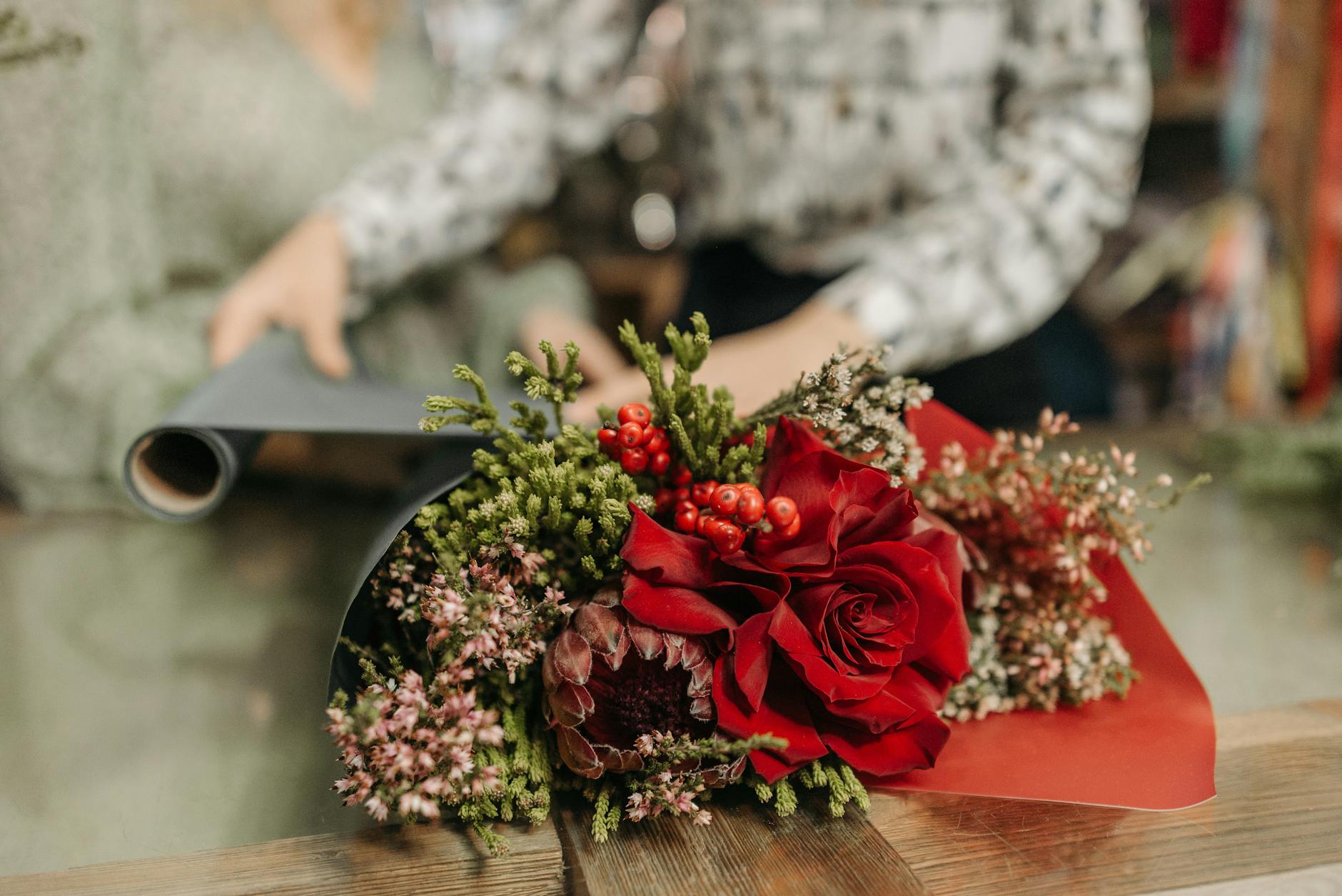
Flowers have the power to speak when words don’t quite cut it. On a special day like Valentine’s, a bunch can make your devotion or admiration clear without a long speech.
Not sure what to buy? When choosing Valentine’s Day flowers, knowing the stories behind each bloom can help you give something that feels more real and personal, and not so last-minute. Here are what some of the most popular flowers mean.
Roses – the quintessential symbol of love
Roses earned their romantic reputation long before modern dating apps. In Victorian times, people relied on the “language of flowers” to say what etiquette forbade, and roses carried clear signals.
Red roses still suggest deep affection and desire, which suits an established relationship where feelings feel settled. Pink roses soften the mood, showing appreciation and warmth without intensity. White roses often point to sincerity or a new chapter, making them fitting for early relationships or anniversaries that mark a reset.
Choose a colour that matches what you feel and the message you’re trying to get across. Whatever you choose, you can’t really go wrong with roses.
Tulips and lilies – elegant alternatives
Tulips keep things simple and honest. Many people see them as a sign of perfect love, but colour still matters: red leans romantic, while pink reads as gentle affection. They also open gradually at home, which gives your gift a sense of progression over the week.
Lilies feel calmer and more refined, often linked with devotion and respect. Their strong stems and long vase life make them practical if your partner enjoys flowers that last beyond a weekend.
Other symbolic blooms – orchids, peonies and more
Orchids bring a confident, modern feel. They often symbolise strength and beauty, and they suit someone who prefers a sculptural plant over a traditional bunch.
Peonies suggest romance mixed with good fortune, which makes them popular when you want a hopeful, forward-looking message. Gerberas add brightness and a sense of loyalty and joy, ideal if your relationship thrives on humour and the little moments together.
Adding some of these to your bunch can bring a different level of life and energy. Mixed bouquets also work well when you want to express feelings on multiple layers.
How to choose the right flowers for your Valentine
Think about where your relationship sits, what your partner actually likes, and the message you want them to take away. A new relationship might call for lighter colours or mixed stems, while a long-term partnership can handle bolder choices.
To start, ask yourself these questions:
- What are their favourite colours?
- How bold or subtle are they as a person?
- What flowers match their energy?
Florists get very busy in February, and certain varieties can sell out quickly, so planning ahead gives you better choice and fresher options. Pick blooms that fit their taste and your intentions, and the gesture should feel more thoughtful than performative.
Leave a Reply
You must be logged in to post a comment.