
Overlooked Home Maintenance Tasks Worth Your Attention
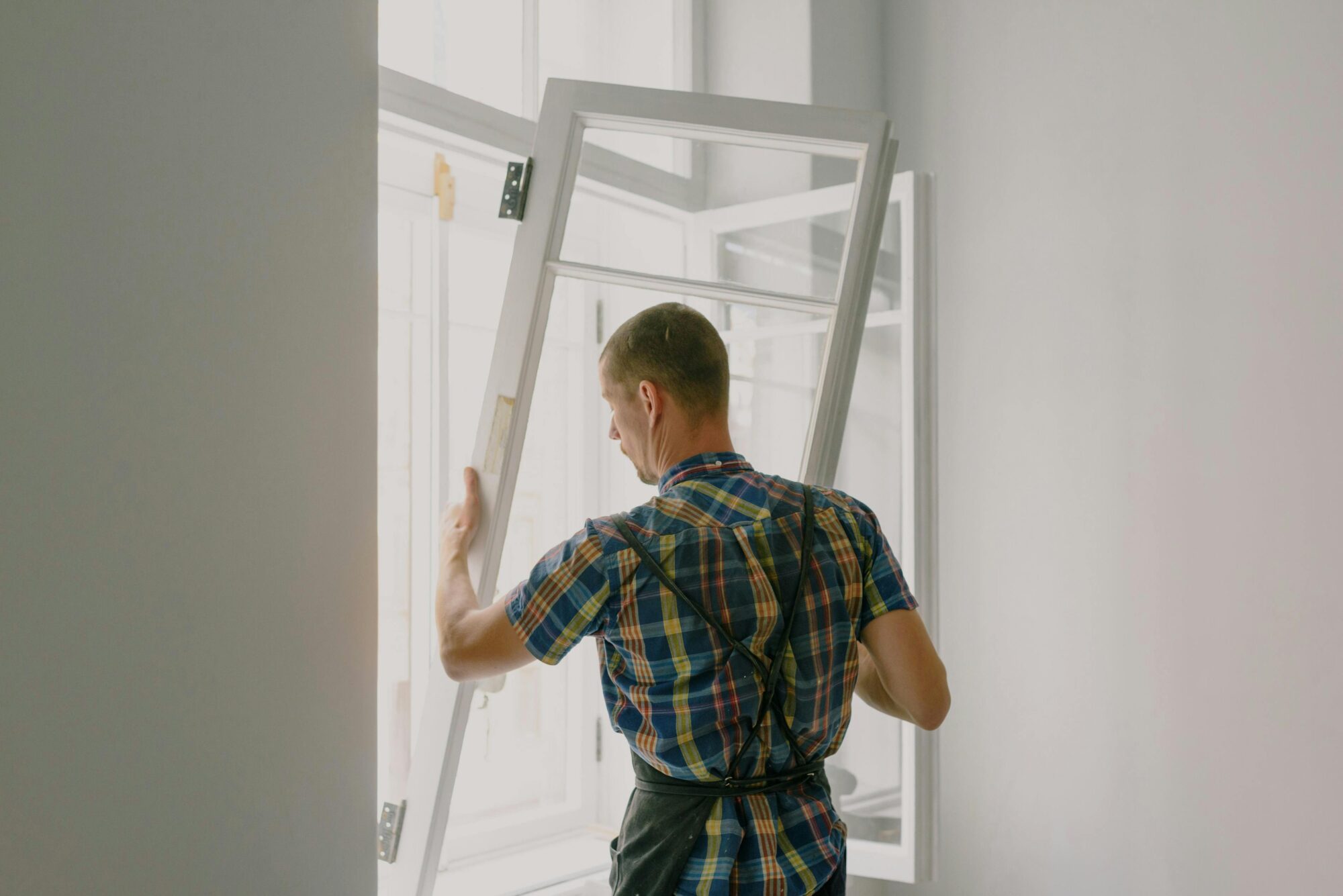
Most homes don’t fall apart in obvious ways. They drift. Things loosen. Sounds change. Something that used to feel solid starts feeling a little off, but not enough to stop daily life. So it gets ignored. You tell yourself you’ll deal with it later, when it’s louder, clearer, or more inconvenient.
In places like the Pacific Northwest, where homes deal with steady moisture, temperature swings, and long stretches of daily use, small issues don’t always stay small. Materials swell. Metal parts wear unevenly. Wood takes on more than it should. A lot of wear happens quietly, especially in houses that are lived in hard and maintained just enough to keep things moving.
That’s why overlooked maintenance tasks matter. Not because they’re dramatic, but because they tend to stack up. When several small things drift out of alignment at once, the house starts pushing back. Doors don’t close right. Systems feel strained. Repairs stop being simple. Paying attention earlier usually keeps everything calmer later.
When Delaying Decisions Creates Bigger Problems
Garage doors are one of those things homeowners rarely think about until they stop working properly. As long as the door opens and closes, it’s easy to assume it’s fine. Noise gets written off. A slight tilt feels cosmetic. Slower movement becomes normal. But garage doors take on more wear than most parts of the house, especially in areas with damp air and seasonal changes.
Over time, older doors lose balance. Panels weaken. Springs and cables take on uneven strain. The opener works harder to compensate, which shortens its lifespan too. What started as a minor annoyance turns into a reliability issue, or worse, a safety concern. That’s usually when people realize that waiting didn’t save time or money.
Proactive garage door replacement is often less about appearance and more about restoring predictability. Newer doors are built with better materials, improved insulation, and safer hardware. Professionals who handle overhead doors every day can assess whether repairs still make sense or whether replacement would reduce ongoing strain on the system. The goal isn’t to rush into a big change. It’s to avoid the moment when the door fails at the worst possible time.
Seals and Weatherproofing That Fail Slowly
Most weatherproofing doesn’t fail in a way you can point to. It dries out. It shrinks. A line of caulk pulls away just enough to let air sneak through. Door seals lose their softness. Windows that used to feel solid start letting a little outside in. Nothing dramatic happens, so it’s easy to miss.
Because daily life keeps moving, these changes don’t register as problems right away. The house still works. You just start adjusting without thinking about it. Turning the heat up slightly. Closing doors more often. Noticing certain rooms never feel quite right. Over time, heating and cooling systems work harder, and moisture finds paths it didn’t have before.
Taking care of seals and caulking early is simple, but it rarely feels urgent. It’s usually only after damage shows up that the cost and effort jump. By then, what could have been a small fix turns into a longer repair that interrupts more than expected.
Gutters and Drainage That Only Get Attention After a Storm
Gutters tend to disappear from view. They’re out of sight, and as long as water moves somewhere, they feel fine. But clogs, loose connections, and poor drainage quietly direct water where it doesn’t belong.
Overflowing gutters don’t just affect the roof edge. Water pools near foundations. Soil shifts. Basements take on moisture. In the Pacific Northwest, where rainfall is steady rather than sudden, these problems build gradually. Regular checks and cleanouts prevent water from testing parts of the house that aren’t meant to handle it.
Waiting for visible damage usually means the water has already been there for a while.
Mechanical Systems That Get Ignored Until They Don’t Work
Heating systems, water heaters, and sump pumps often get attention only when they fail. Before that, they hum along in the background. Slight changes in performance get brushed off. The system still runs, after all.
Routine inspections catch wear early. Filters get changed. Small parts get replaced. The system stays predictable. When maintenance gets skipped, failures tend to happen suddenly and at inconvenient times. Cold nights. Busy mornings. Stormy weekends.
Maintenance here isn’t about optimizing performance. It’s about avoiding surprise.
Interior Hardware That Loosens With Use
Inside the house, small things loosen slowly. Hinges sag. Railings wobble. Doors rub where they didn’t before. These aren’t emergencies, but they’re signals.
Loose hardware strains surrounding materials. A door that drags puts pressure on the frame. A shaky railing becomes a safety issue over time. Tightening and adjusting these parts keeps everything aligned and prevents damage from spreading.
Most of these fixes take minutes. Ignored, they turn into larger repairs that disrupt daily life.
Exterior Surfaces That Signal Trouble Early
The outside of a house gives hints long before anything serious shows up indoors. Paint gets thin in spots. Trim pulls away. A small crack appears where there wasn’t one before. These changes don’t stop the house from functioning, so they’re easy to pass by without much thought.
But those surface changes matter. Once paint or trim breaks down, water doesn’t need much space to get in. In wetter climates, it tends to hang around instead of drying out. Wood stays damp longer. Materials soften. Problems start forming behind the scenes while everything still looks mostly fine from a distance.
Catching this early usually means small, forgettable fixes. A bit of touch-up. Replacing a short section of trim. Sealing a seam before it spreads. When exterior maintenance feels dull, that’s often a good sign. It means the house is staying ahead of issues instead of reacting to them later.
Why These Tasks Get Overlooked
Most overlooked maintenance isn’t about neglect. It’s about priorities. People focus on what they see and use most. If something still works, it drops down the list. Life fills the space.
There’s also the idea that maintenance equals major projects. In reality, most preventive work is small. It’s checking. Adjusting. Replacing worn pieces before they fail completely. Once that mindset shifts, maintenance feels less overwhelming.
Awareness doesn’t mean fixing everything at once. It means noticing patterns before they turn into problems.
Homes that feel stable usually aren’t problem-free. They’re maintained steadily. Small repairs get handled early. Systems stay predictable. Surprises are rare.
Overlooked tasks don’t announce themselves loudly. They show up as changes. Sounds. Movement. Performance that isn’t quite what it used to be. Paying attention to those signals keeps repairs manageable and stress low.
Maintenance works best when it stays in the background. Quiet. Consistent. Almost unnoticeable. That’s usually a sign the house is being cared for the way it needs.
Leave a Reply
You must be logged in to post a comment.