
Tips for Getting Out and About with a Disability
A disability doesn’t have to mean staying home. While getting out and about certainly presents some unique hurdles, a little bit of planning goes a very long way, since knowing which resources are available can turn a difficult trip into a great one. Good preparation is the key that unlocks a smooth and comfortable experience, transforming a journey that could be stressful into something genuinely rewarding, whether you are traveling across the country or just heading across town.
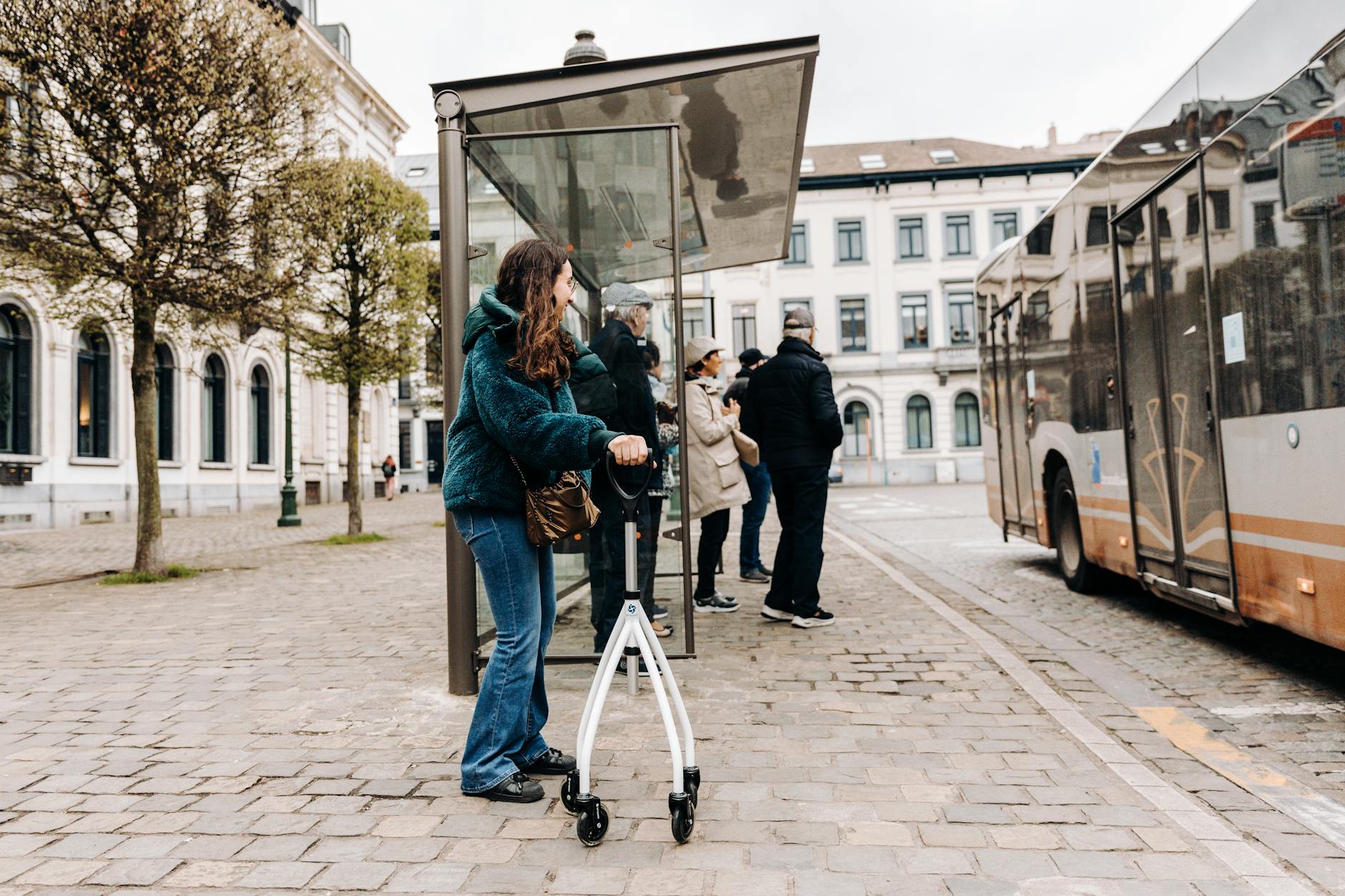
Plan Ahead for Success
A successful trip is almost always built on a foundation of solid planning. This process begins with researching the accessibility of your destination, so you can find out ahead of time if the attractions, restaurants, and public transport systems are equipped to accommodate you. It really pays to call hotels directly, as what you find online doesn’t always paint the whole picture when it comes to accessibility. Making a checklist helps, too. Be sure it lists all your medications, copies of prescriptions, a doctor’s note, and any medical gear you depend on. Keeping all of that in a carry-on bag means it stays with you and you can get to it when you need it.
Communicate Your Needs Clearly
Clearly communicating your needs is just as important as planning. When making reservations for flights or hotels, it’s best to state your specific requirements during the booking process, as this gives staff the time they need to prepare. The thought of explaining personal medical details can be intimidating, especially in a busy airport security line. This is precisely why a TSA disability card can be so helpful. It offers a quiet and private way to let security officers know about a medical condition or device that might affect the screening, which helps make the entire interaction much clearer for everyone involved.
Know Your Resources for Air Travel
Airport security often stands out as a particularly stressful part of traveling. While a notification card is a great tool, it’s also useful to know the standard procedures. The card itself won’t get you out of screening, but it does make the conversation with TSA officers much more straightforward. You should expect that any medical equipment or mobility aids will probably be swabbed for explosive residue. If you are uncomfortable with the imaging scanner, you have the right to request a pat-down instead. If you fly a lot, TSA Pre-Check is worth looking into. It offers a much quicker screening experience where you usually don’t need to take off your shoes, belt, or jacket.
Bringing in Professional Help
There are times when a little extra help is what’s needed most. For a really long trip, or if you have complicated medical needs, arranging for a professional to assist can make all the difference. You can find services that provide trained medical companions, like flight nurses, who are there just to handle all the logistical and medical details of a trip.
When someone else is focused on making sure your health is looked after, you’re free to relax and actually enjoy the journey with real peace of mind.
Living with a disability doesn’t mean you have to stop traveling or exploring. It just means you have to go about it a bit differently. When you plan ahead and aren’t afraid to speak up about what you need, most of the challenges that look big at first can be overcome. Taking advantage of the resources out there gives you the power to see the world more safely and with more confidence. A whole world of new places and people is out there, just waiting.
Leave a Reply
You must be logged in to post a comment.