
When Is It Time to Invest in Your Home Instead of Repairing It
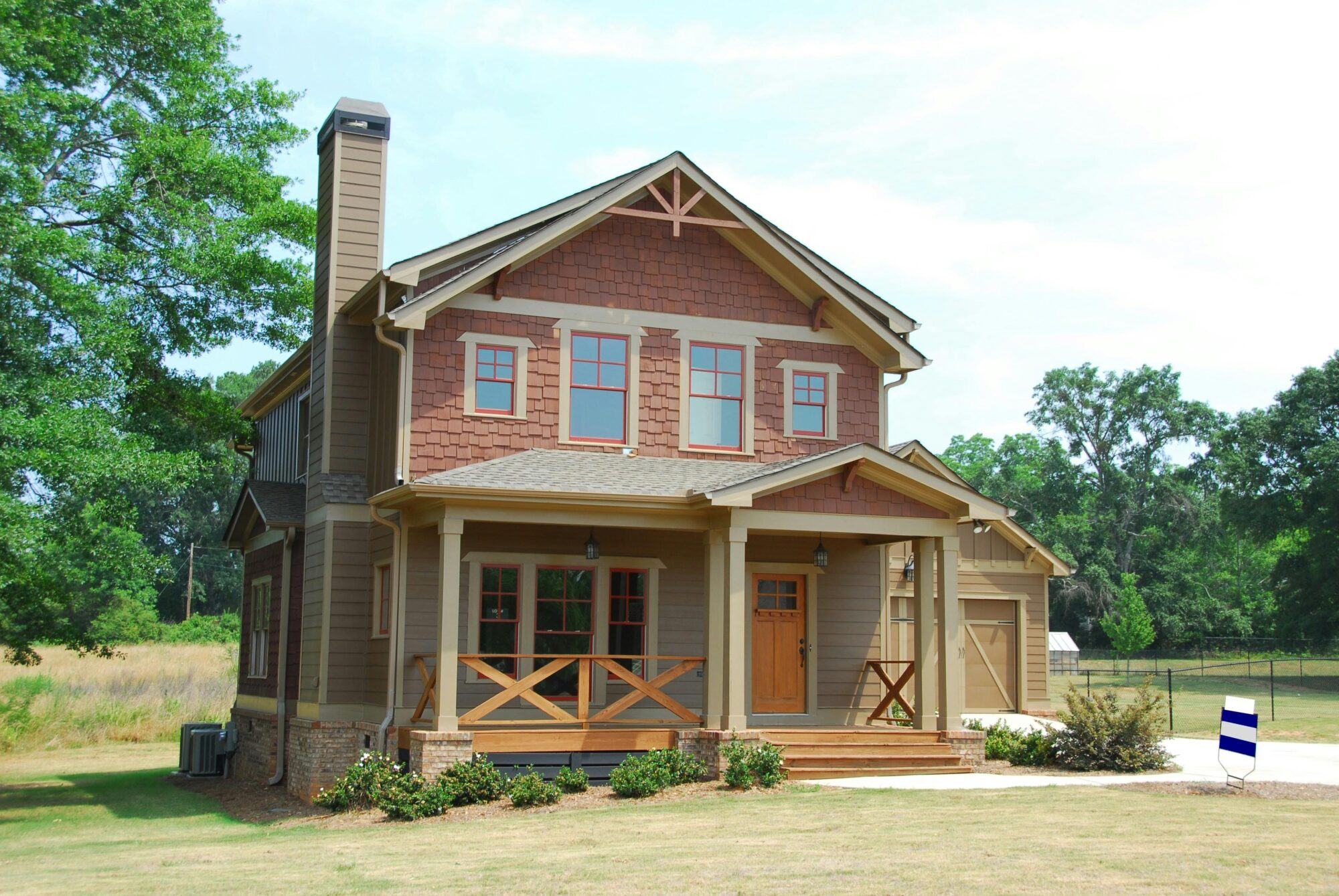
Most homeowners do not plan to spend thousands on repairs over a few years. It just happens. One repair does not seem like a big deal. But when problems return again and again, the costs and stress build up.
Many homeowners reach a point where they wonder if they are fixing the same issue over and over. That is when a bigger question comes up. Does it still make sense to repair, or is it time to invest in a long-term solution? Knowing the difference can save money, protect your home, and reduce future stress.
When Quick Fixes Become Routine
If you find yourself calling for service every year for the same issue, that is a warning sign. Maybe shingles keep blowing off after heavy wind. Maybe water stains return near the same ceiling corner. These repeat problems often mean the root cause was never fully addressed. Small fixes may hold for a short time, but they do not always restore full strength to aging materials. Over time, patchwork repairs can weaken the overall system. When you notice that fixes no longer last as long as they once did, it may be smarter to step back and consider a full upgrade instead of another temporary solution.
Adding Up the Real Cost of Repairs
Many homeowners never total what they have spent over the last three to five years on the same area of the home.
Take repeated roof repairs as an example. You replace a few shingles after a windstorm. Soon after, another section shows signs of wear. Each visit solves one issue, but the pattern continues. Over time, the combined cost of those appointments can approach the price of a full replacement.
When you reach that point, it helps to schedule a free roof estimate and review the overall condition of the roof. Unlike ongoing repairs, a full upgrade resets the clock and reduces the risk of sudden breakdowns.
Considering the Age of Major Components
Every part of your home has a lifespan. Roofs, siding, windows, and gutters do not last forever. When a system nears the end of its expected life, repairs often become less effective. Materials lose strength over time due to weather exposure and normal wear. Even if one section gets fixed, other parts may fail soon after. Investing in an aging system rarely delivers strong value. Before approving another repair, ask how old the structure is and how much life it realistically has left. If the answer is only a few years, putting money toward replacement may provide better protection and peace of mind than stretching it further.
Energy Loss You Cannot Always See
Not all problems show up as cracks or leaks. Some appear in the form of rising utility bills and uneven room temperatures. An aging roof, poor ventilation, or worn insulation can allow heat to escape in winter and trap it in summer. Drafts around windows or gaps in exterior materials can also reduce efficiency. While a small repair might fix a visible issue, it may not solve deeper energy loss. Investing in updated materials can improve comfort throughout the home. You may notice fewer cold spots and less strain on your heating and cooling systems. If comfort keeps declining despite minor fixes, a larger upgrade may offer better long-term results.
After the Storm, Look Beyond Surface Damage
Strong winds, hail, and heavy rain can damage more than what you see from the ground. Shingles may loosen without falling off. Flashing around chimneys and vents can bend or lift. Water can enter through small gaps and soak the underlayment or roof decking. These issues do not always cause immediate leaks, but they weaken the system. If storms hit your area often, repeated repairs may only address visible damage while hidden wear continues. Over time, structural parts can deteriorate. In these cases, investing in a replacement may restore full protection instead of patching isolated sections. A thorough inspection after major weather helps you decide which option truly protects your home.
When Appearance Starts Affecting Value
Your home’s exterior plays a direct role in how others judge its condition. Curling shingles, faded siding, and sagging gutters signal aging materials. Buyers and appraisers often look closely at the roof and exterior systems because replacements can be expensive. If visible wear suggests deferred maintenance, it may lower buyer confidence. Even if you are not planning to sell, appearance still matters. Damaged or worn materials can lead to deeper structural issues if ignored. Investing in updated roofing or siding can improve curb appeal and protect underlying layers at the same time. When the outside of your home starts to look tired despite regular repairs, replacement may offer better long-term value.
Safety Concerns You Should Not Ignore
Some problems go beyond inconvenience. Soft spots on a roof, sagging sections, or persistent moisture in the attic can point to structural weakening. Water that enters through damaged materials can lead to wood rot and mold growth. Mold exposure can affect indoor air quality, especially in enclosed attic spaces. Temporary repairs may slow the damage but cannot always restore strength to compromised materials. If you notice uneven roof lines, recurring leaks, or signs of rot, do not treat them as minor issues. Structural components protect your home and everyone inside it. In these situations, investing in a full replacement often provides safer and more reliable protection than ongoing repairs.
Choosing between repair and investment requires an honest look at your home’s condition, age, and long-term costs. Small repairs make sense when damage is isolated and the system still has solid years left. But when problems repeat, materials weaken, or safety becomes a concern, continuing to patch may only delay a larger expense. Investment does not mean overspending. It means solving the root problem and restoring reliability. By reviewing repair history, evaluating structural health, and comparing realistic options, you can make a confident decision. In many cases, acting sooner prevents stress, protects your home’s value, and reduces the risk of sudden emergencies later.
Leave a Reply
You must be logged in to post a comment.