
From Conflict to Connection: The Invisible Weight First Responders Carry: Stress Injuries and Real Recovery
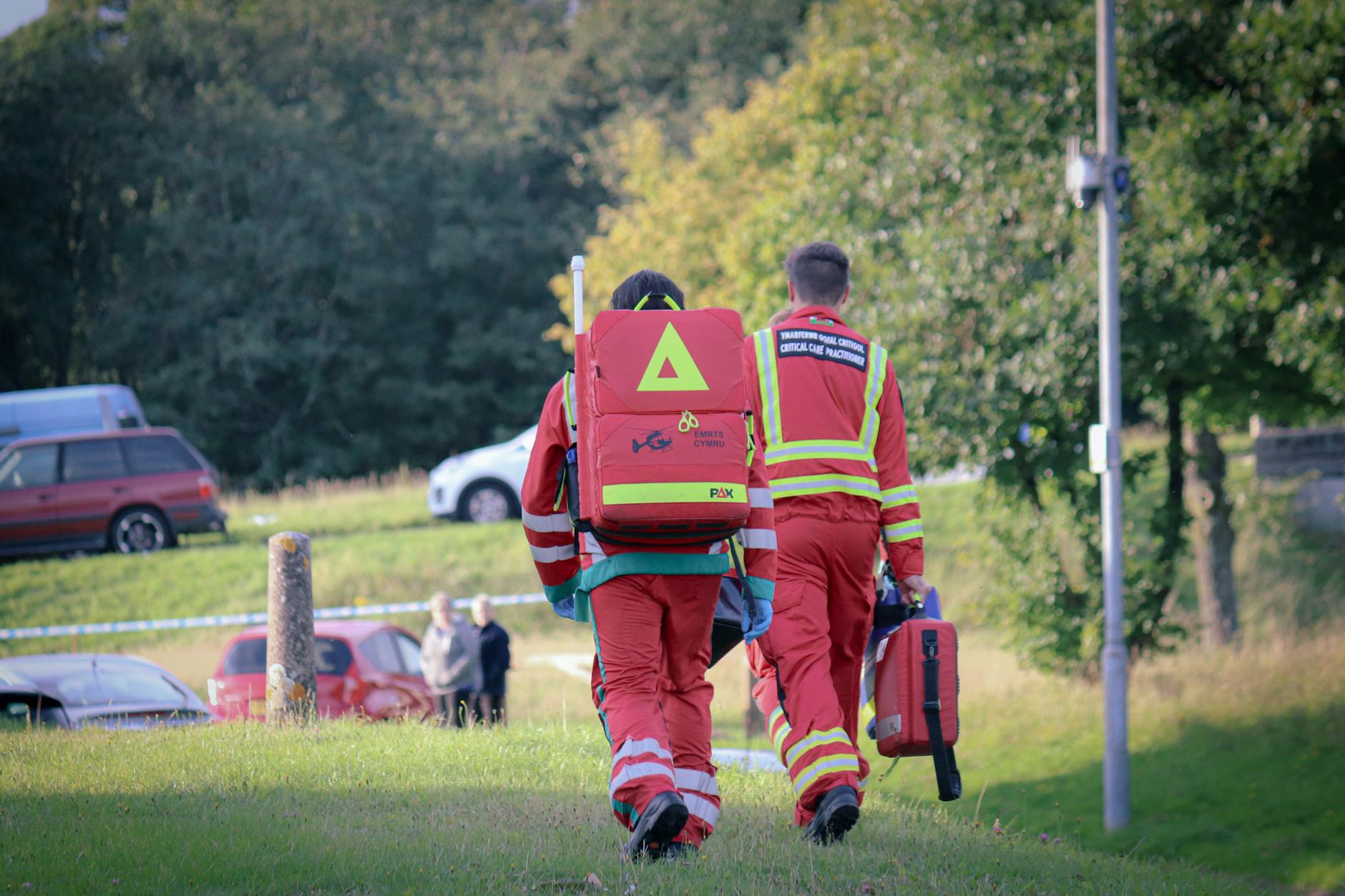
When people think about first responders, they picture action. The call comes in, you move, you handle it, you go again. What rarely gets airtime is what happens after the sirens: the body stays on alert, the mind keeps replaying scenes, and relationships start to feel like one more demand you do not have the energy to meet.
That “invisible weight” is often a stress injury, not a personal failing. And stress injuries are treatable when you name them early and respond with the right kind of support, including specialized first responders addiction treatment when alcohol or drugs have become the default way to get through the day.
Stress injuries: what they look like in real life
First responders are trained to stay composed in chaos, so stress rarely shows up as a dramatic breakdown. More often, it arrives as slow, quiet changes:
Your fuse gets shorter at home, even when nothing “big” happened at work
Sleep becomes light, broken, or packed with vivid dreams
You feel numb, detached, or oddly uninterested in things you used to enjoy
Hypervigilance follows you off shift, like you cannot fully stand down
You start avoiding certain calls, routes, smells, or conversations
These are not character flaws. They are the nervous system doing its job for too long.
Why coping can slide into addiction
If your body is stuck in threat mode, you will crave relief. Alcohol can feel like a fast off switch. Stimulants can feel like “focus.” Pain meds can feel like rest. Over time, the brain starts learning that substances equal safety. That is why chronic stress is linked to addictive behaviors, as explained in how stress affects the body over time when the stress response stays activated.
Add in shift work, a culture of powering through, and the pressure to look “fine,” and it becomes easy to see how self-medication can turn into dependence before you even call it that.
Conflict to connection: what actually helps
Recovery for first responders works best when it respects reality: you cannot “positive think” your way out of repeated trauma exposure. You need a plan that lowers the load and rebuilds connection.
Build a practical early-intervention routine
Start small and specific:
Do a two-minute decompression after calls (breathing, short walk, quick note dump)
Use a sleep boundary (dark room, phone out, consistent wind-down)
Choose one person you can be honest with weekly, no performance required
Normalize the aftermath, not just the event
Many responders are surprised to learn that growth after trauma is a documented phenomenon, and understanding the science behind post-traumatic growth can help reframe recovery as rebuilding, not “going back to normal.”
Get support that matches the job
Peer support, trauma-informed therapy, and substance use treatment can work together. The key is fit: providers who understand first responder culture, confidentiality concerns, and the way trauma and addiction can tangle.
You do not have to wait for things to get worse to get help. If stress has started shaping your mood, sleep, or substance use, the next step is simple: tell the truth to one safe person, book an evaluation with someone who understands first responders, and commit to a short window of focused support. Small actions, taken early, can shift you from survival mode back to connection.
Leave a Reply
You must be logged in to post a comment.