
Easy Home Upgrades That Make a Difference
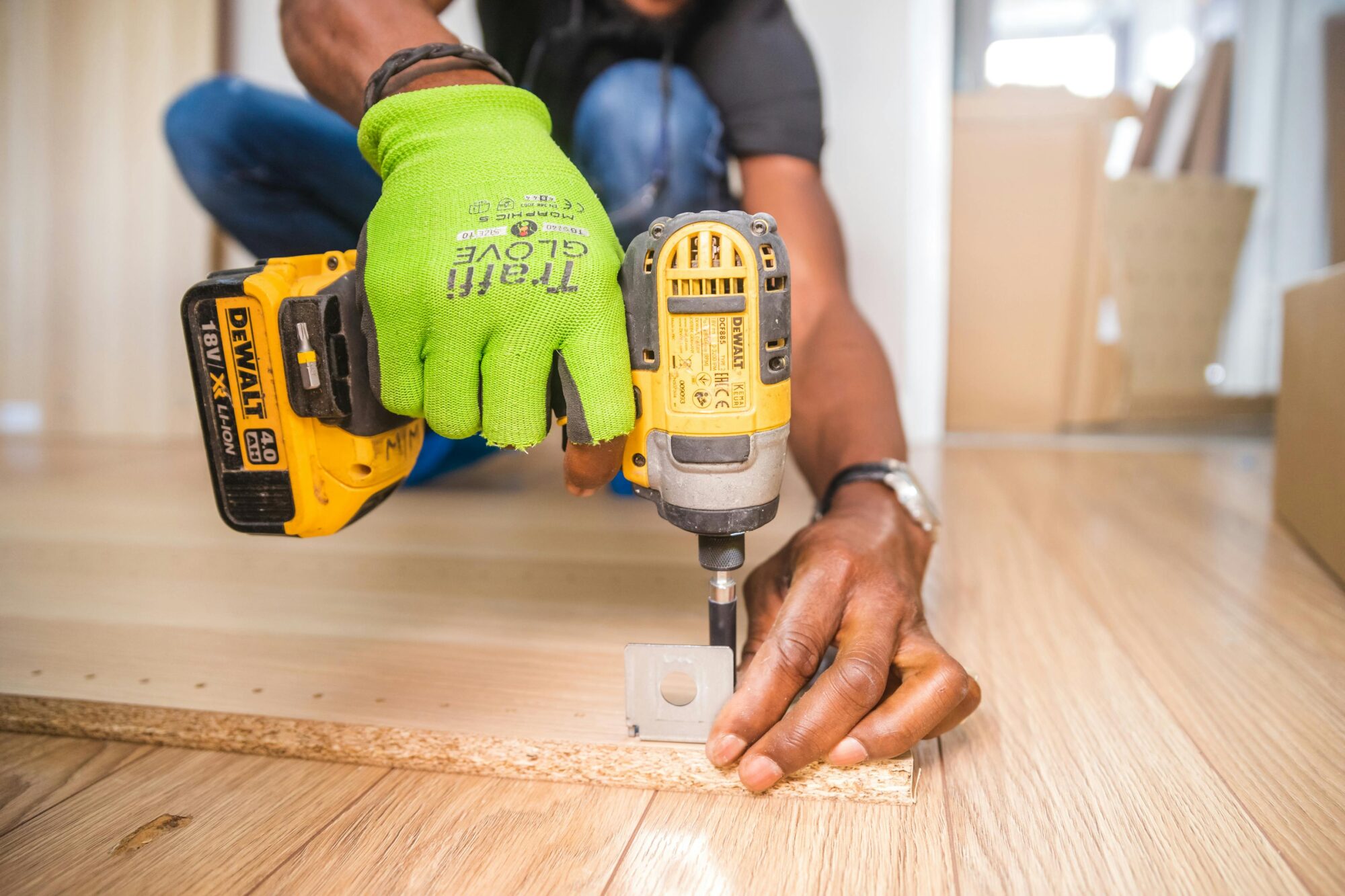
Why does your house still feel off, even after cleaning it from top to bottom? You wipe the counters, rearrange the pillows, light a candle or two—and yet, something’s still missing. You’re not alone. Most homes run into this issue: the structure holds up fine, but the way it feels? A little stale. The fix often isn’t major renovations, just smarter tweaks. In this blog, we will share easy home upgrades that make a real difference.
Comfort Starts with the Basics
No one needs to hear a pep talk about how “home is where the heart is.” The heart, frankly, gets cold in drafty rooms and frustrated in dim kitchens. When people talk about comfort in a house, they’re not talking about mood boards—they’re talking about how the place handles daily life. That’s where small upgrades do heavy lifting.
Weatherproofing is an obvious place to begin. In cities dealing with volatile winters and rising utility bills, simple insulation fixes can shift the experience of being home. Draft stoppers, weather stripping, and thermal curtains aren’t glamorous, but they make a room feel warmer without touching the thermostat. Combined, these small additions help save energy this winter by cutting down heat loss and keeping indoor temperatures more stable.
Light also plays a bigger role than people give it credit for. Replacing heavy blinds with adjustable shades opens up rooms without making you feel overexposed. Switch older bulbs for LED daylight options—they cut energy use and improve visibility. The added clarity can make a room feel cleaner, newer, more functional. None of these changes cost much. But over time, they shift how the space supports your routine. It’s not about aesthetic flourishes. It’s about reducing friction in how the house operates.
Rethinking Space You Already Have
The average American home hasn’t gotten much bigger in the last decade, but how people use that space has changed. Hybrid work, side gigs, and the sheer grind of daily logistics all demand more flexibility from every corner. That weird nook under the stairs or the half-used guest room? It’s probably time to put it to work.
Wall-mounted shelves, fold-down desks, and modular storage make these leftover spaces useful again. You don’t need a spare bedroom to add a workspace. You just need to pull a desk out of a cabinet, pair it with a chair that doesn’t ruin your back, and call it a win. Multifunctional furniture—think ottomans that store blankets or benches with hidden drawers—help you clean up without creating new clutter.
In homes with kids or roommates, carving out defined areas matters. A curtain rod and a bit of soundproofing can give someone a phone call zone or a space to read without interruption. These small spatial edits don’t need permits or weeks of planning. They just need a shift in thinking—less about open-concept and more about controlled use. You’re not redesigning the house. You’re letting it adapt to real life.
Noise, Air, and Other Unseen Enemies
Comfort isn’t only about what you see. It’s about what you don’t notice until something feels off. Old vents full of dust. A refrigerator that hums louder than it should. A faucet that drips just enough to keep you awake. These minor annoyances add up.
Start with air quality. A decent air purifier helps in urban areas with high pollution or houses with pets and carpets. If you’ve never cleaned your HVAC filters or bathroom exhaust fan, doing so can immediately improve airflow and remove that low-level funk that builds up over time. It’s not just about health—it’s about removing distractions from your senses.
Noise is another factor. Swapping out hollow-core doors for solid ones can dampen sound between rooms. Area rugs over hardwood reduce echoes and footsteps. Even sticking rubber pads under furniture can make movement quieter. Silence isn’t the goal. It’s reducing the background static so the house feels settled, not restless.
Updating Where You Touch the Most
People love to obsess over color palettes and Pinterest aesthetics, but most of the time, comfort comes from the things you physically touch. Doorknobs, faucet handles, light switches—these are the true points of contact between you and your home. When they feel clunky, loose, or outdated, it drags down the entire experience.
Swapping out hardware takes less than a day. Brushed steel, matte black, or even wooden accents can add texture and consistency. It’s a small touch that tightens the visual and physical feel of a room. Smart switches and dimmers, especially those with preset options, simplify lighting without making your house feel like a tech showroom.
Kitchens benefit from these touches too. Slow-close drawer slides, magnetic knife strips, and under-cabinet lighting make daily use smoother. None of these feel like major design choices. But every time they work without friction, the house becomes easier to live in.
Trends That Make Sense (and Some That Don’t)
Post-2020, home trends have leaned harder into practicality. Comfort used to mean softness. Now it means convenience, speed, flexibility. Homeowners are no longer just chasing looks—they want homes that hold up under pressure. Upgrades that support mental load, reduce maintenance, and keep the place running without micromanagement are the ones people keep.
Smart thermostats, leak detectors, and motion lights all offer those gains. But not every trend needs to be followed. Not every home needs a voice-controlled oven or color-changing shower head. If a feature adds more steps than it removes, skip it. Easy upgrades aren’t just about being cheap or fast—they’re about adding value without adding complexity.
The same goes for “natural” upgrades. Plants are great. Overgrown indoor jungles that crowd walkways? Not so much. Home comfort means balance. Enough stimulation to feel alive, but not so much you trip over it trying to make coffee.
The Bigger Picture Behind Small Fixes
It’s not just about nicer floors or brighter light. These small upgrades reflect a broader shift in how people relate to their homes. Work now blends into life. Privacy gets squeezed. Energy costs rise. Weather gets weirder. The home, once just a shelter, now has to flex and respond more than ever.
People are learning that comfort isn’t passive. It’s something you have to build, manage, and protect. Easy upgrades help keep a home responsive to your needs, without asking for more than a weekend and a small budget. They make daily routines less irritating, rooms more livable, and time at home less draining.
The difference these changes make doesn’t always show up on a listing sheet. But you notice it when the house doesn’t fight you. When the lights don’t glare. When the door closes without a bang. When the kitchen flows the way your mornings need it to.
That’s the point. A home that fits quietly into your life instead of working against it. All it takes is knowing where to start—and not overthinking the rest.
Leave a Reply
You must be logged in to post a comment.