
Subtle Signs Your Home’s Exterior Needs Attention
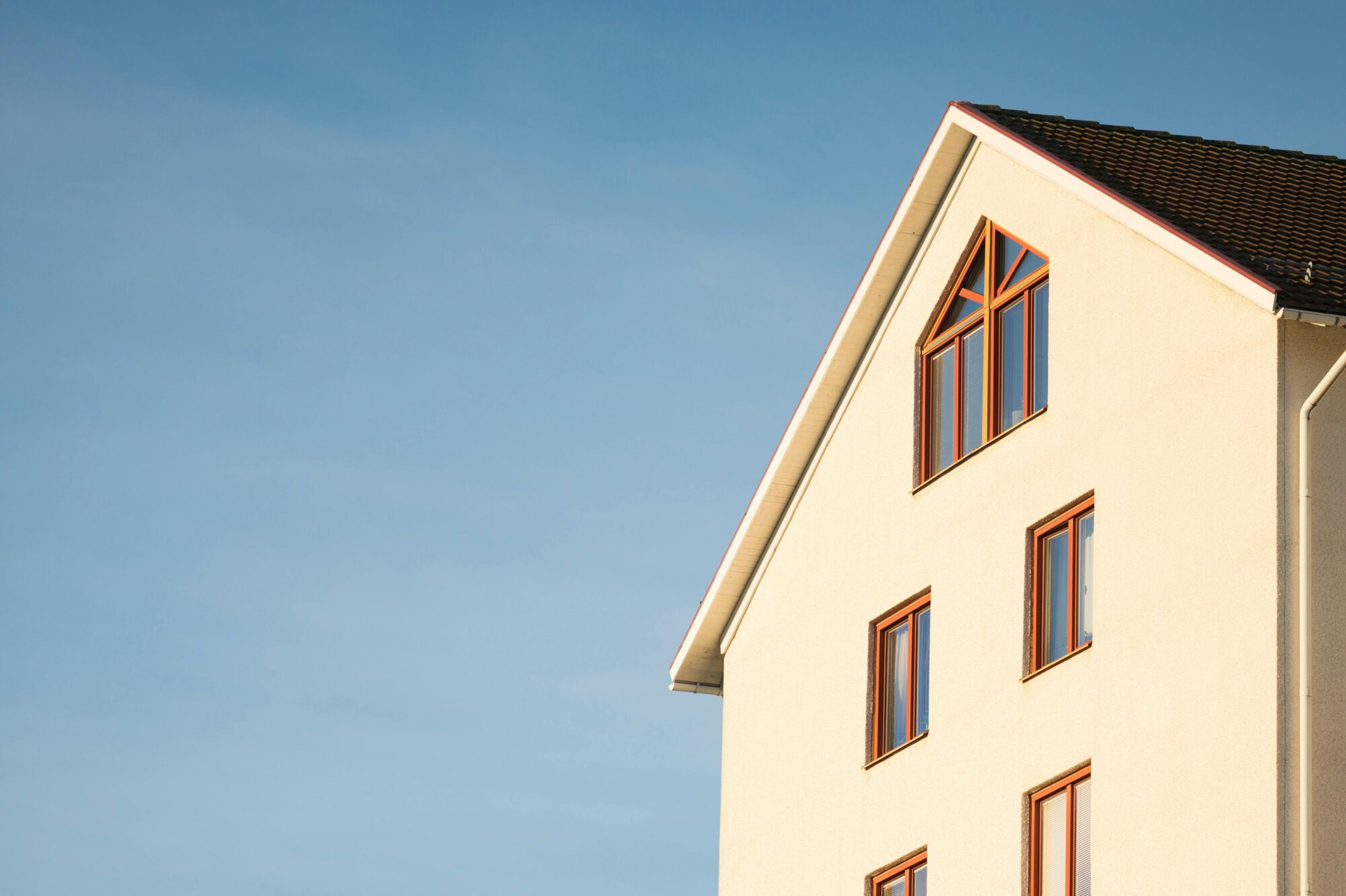
Have you ever pulled into your driveway in Fort Myers and thought, “Something feels off, but I can’t put my finger on it”? You’re not alone. In a world where we obsess over what’s inside—be it home interiors, inboxes, or even our coffee cups—it’s easy to forget that the outside of our homes deserves just as much love. And in a time when curb appeal isn’t just about pride, but property value, ignoring subtle signals can be costly.
Let’s take a closer look at the quiet cues your home’s exterior might be giving you—and why they matter more than ever.
Your Paint Is Trying to Tell You Something
It doesn’t take peeling paint to signal a problem. Sometimes, the color just looks… tired. That once-vibrant blue might now resemble the sad shade of a raincloud. Changes in climate—like the increasingly hot and humid Florida summers—accelerate fading and cracking. When paint loses its luster or starts to bubble, it’s reacting to deeper issues like moisture penetration. Think of your paint as the skin of your house. If it looks stressed, what’s underneath probably is too.
Keeping up with paint is about more than vanity. It’s about preventing rot, mold, and energy loss. If the finish on your siding feels chalky or leaves residue on your hand, it’s overdue for a refresh.
Your Windows Are Working Too Hard
Windows aren’t supposed to feel like a workout. If opening or closing them is a two-person job, or you feel drafts when everything’s shut, it’s not just annoying—it’s a red flag. In older Fort Myers homes, weather fluctuations, salty air, and storm wear can warp frames and wear out seals.
That’s where local expertise matters. A window replacement company in Fort Myers can evaluate damage specific to the area’s climate and provide solutions that don’t involve retrofitting your entire home. Upgrading your windows doesn’t just save on utility bills; it protects your home from moisture and keeps AC from slipping out—literally and financially.
If you’ve noticed condensation forming between double panes or hear too much outside noise when you’re inside, don’t dismiss it. Your windows are telling you they’ve had enough.
Your Gutters Are Not Just Decorative
We get it—gutters are about as exciting as folding laundry. But they’re your first line of defense against water damage. If yours are sagging, rusting, or pulling away from the house, rainwater isn’t being directed properly. That leads to issues like foundation cracks, basement leaks, or even landscape erosion.
Look for subtle signs like water stains on siding or paint peeling beneath roof lines. These often signal that gutters are overflowing or leaking. As storms become more unpredictable, especially during hurricane season, functioning gutters are non-negotiable.
Cleaning them biannually is good practice, but if they’re too far gone, replacing them is a smart investment—not a DIY weekend experiment.
Cracks Are Creeping In
Not all cracks are created equal. Hairline splits in concrete or stucco might be harmless, but wider, jagged cracks—especially around doors and windows—can point to foundation shifts. Florida’s shifting water tables and frequent rains only add to the challenge.
Don’t just caulk and hope for the best. Monitor if cracks are growing, or if doors inside start sticking. That’s a structural conversation, not a cosmetic one. Addressing it early could prevent expensive damage later.
A home inspector or foundation specialist can help differentiate between “normal settling” and something that deserves serious attention.
Your Roof Has Stories to Tell
Roofs are like aging rock stars—fine from afar, but up close, the wear shows. If shingles are curling, cracked, or missing altogether, your roof is vulnerable. Even subtle signs like granules in the gutters or dark streaks can be indicators that it’s time to act.
With more intense heatwaves and unpredictable storms, roofs in Florida take a real beating. Inspections every couple of years are key, even if everything looks fine. Remember, roof issues don’t always start with leaks. Sometimes, it’s insulation problems or poor attic ventilation that send things downhill.
If you spot moss or algae growth, don’t shrug it off. That’s moisture at work, and moisture never travels alone.
Nature Is Getting Too Comfortable
There’s charming ivy, and then there’s your siding being overtaken by vines, mildew, or critters. If birds are nesting in your eaves or you spot carpenter ants crawling along the trim, your exterior isn’t just worn—it’s being colonized.
Vegetation growing too close to your home can trap moisture and create pathways for pests. Overhanging branches may damage your roof or scrape against windows during storms. It’s not about being anti-nature, just pro-boundaries.
Take a walk around your property and notice if anything looks… too cozy. Sometimes, the first clue isn’t visual—it’s the sound of scurrying in the walls or squirrels tap dancing on the roof at 6 a.m.
Your Front Door Isn’t Inviting Anyone
The front door does more than open and close—it sets the tone. If it’s faded, warped, or doesn’t close smoothly, it’s more than a cosmetic issue. A worn-out door is a signal that the seal is gone, the security compromised, and the energy efficiency lost.
Modern doors are better insulated, more durable, and can even improve your home’s noise control. A door upgrade can also be one of the most budget-friendly ways to improve resale value. If you’ve been slamming yours shut to make it latch, it’s not “just how it is.” It’s a warning.
Also, no one should have to use their shoulder like a battering ram to get inside their own house.
Keeping your home’s exterior in shape isn’t just about looks—it’s about safety, efficiency, and long-term value. These signs don’t always shout; sometimes, they whisper. The key is noticing the small shifts before they become big problems.
In a time where climate patterns are changing, storms are stronger, and home values more tied to curb appeal than ever, ignoring the outside of your house is like ignoring a slow leak—you don’t see the mess until it’s too late. So, the next time you step outside, don’t just admire your garden or wave at the neighbors. Give your home a good once-over. It might be telling you something. And now, you’ll know how to listen.
Leave a Reply
You must be logged in to post a comment.