
Simple Ways to Prevent Plumbing Issues Before They Start
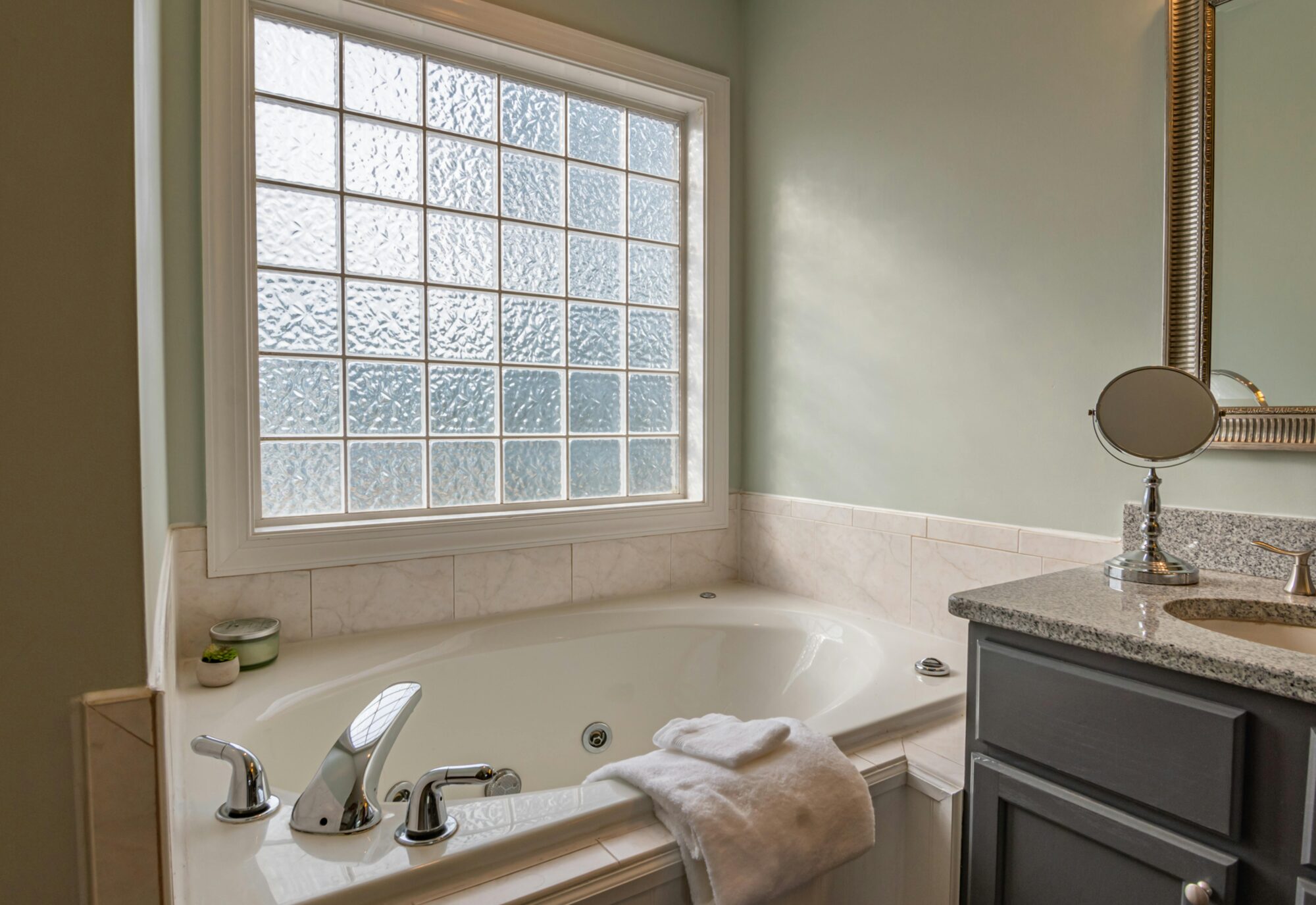
Every homeowner knows the frustration of a dripping faucet, a slow drain, or an unexpected leak. What starts as a minor annoyance can quickly turn into a costly plumbing emergency if left unattended. In a place like Germantown, TN, where seasonal changes and older home structures can put extra strain on pipes, being proactive about plumbing maintenance can save you both money and stress. The good news is that preventing plumbing problems isn’t as complicated as it seems. With a few simple habits and routine checks, you can keep your home’s plumbing system in great shape and avoid those unwelcome surprises.
Many homeowners turn to local plumbing experts who offer comprehensive maintenance services. These professionals understand how water quality, weather patterns, and home designs affect your plumbing system. By taking preventive measures early on, you can ensure your home runs smoothly all year long, and that starts with one of the most overlooked parts of your plumbing system: your drains.
Keep Drains Flowing Freely with Regular Maintenance
One of the biggest culprits behind plumbing headaches is a clogged drain. It might start with a slow-draining sink or a faint gurgle from the tub, but over time, debris, grease, and hair can build up and restrict water flow. In areas like Germantown, TN, where seasonal changes and water quality can add extra stress to home plumbing systems, these blockages often develop faster than expected. This buildup not only causes backups but can also create unpleasant odors and pressure on your pipes, leading to leaks or bursts if left untreated.
If your plumbing system feels sluggish or you’ve noticed slow drains and recurring blockages, consider scheduling drain cleaning in Germantown, TN to ensure your plumbing runs efficiently and to avoid costly repairs. Local experts use advanced tools and proven methods to remove buildup safely while protecting your pipes and restoring steady water flow. Regular drain cleaning also helps detect early signs of wear or hidden leaks, keeping your plumbing system healthy, efficient, and worry-free.
Watch What You Flush and Pour
Every day, what goes down your drain or toilet has a lasting effect on your plumbing system. Many people unknowingly cause blockages by flushing items that don’t break down easily or pouring substances down the sink that harden over time. To keep your pipes healthy, avoid flushing wipes, cotton pads, paper towels, or feminine hygiene products. Even products labeled as “flushable” can accumulate and cause clogs further down the line.
In the kitchen, cooking grease and oils are your plumbing’s worst enemies. When poured down the drain, they cool, solidify, and trap other debris, forming thick blockages. Instead, pour leftover grease into a container and dispose of it in the trash. Keeping a small wastebasket near the toilet and a grease jar in the kitchen can go a long way in preventing future problems. Small changes like these are the foundation of a smooth-running plumbing system.
Protect Your Pipes from Wear and Tear
Pipes are the veins of your home’s plumbing system, carrying water in and waste out every single day. Over time, they face natural wear and tear from temperature fluctuations, water pressure, and mineral buildup. One of the easiest preventive steps is to insulate exposed pipes, especially during the colder months. This prevents freezing, which can lead to cracks and bursts when the ice expands.
It’s also important to check for leaks around joints and faucets. Even small drips can waste gallons of water and signal potential pipe weakness. Using a simple water pressure gauge, you can monitor your system’s pressure levels. High pressure might feel great in the shower, but it puts unnecessary strain on your pipes and fixtures. Lastly, if you live in an area with hard water, consider using a water softener or descaling system. These solutions help reduce mineral buildup that can corrode pipes and decrease water flow efficiency. Taking these steps helps extend your plumbing’s lifespan and keeps repairs to a minimum.
Give Attention to Water-Using Appliances
Many homeowners forget that plumbing extends beyond sinks and toilets; it’s also connected to everyday appliances like washing machines, dishwashers, and water heaters. These machines rely heavily on consistent water flow and stable pressure. Over time, hoses can crack, seals can weaken, and sediment can build up inside the equipment.
To prevent damage, inspect hoses at least twice a year and replace any that show signs of wear. Upgrading to stainless steel braided hoses can provide extra durability and peace of mind. For your water heater, draining and flushing it annually helps remove sediment that settles at the bottom of the tank, improving efficiency and reducing the risk of corrosion. Paying attention to these small maintenance tasks ensures your appliances work efficiently and reduces the likelihood of leaks or malfunctions.
Spot Early Warning Signs Before They Escalate
Many plumbing disasters start with subtle warning signs that homeowners overlook. Low water pressure, discolored water, or a faint mildew smell might not seem urgent, but these symptoms often point to hidden leaks or buildup inside pipes. Keeping an eye out for changes in your water quality or flow can help you catch problems early.
Another common sign is the sound of running water when no fixtures are on, which could indicate a hidden leak behind walls or under floors. Moisture around the base of your toilet or under sinks should also be checked immediately. Addressing these issues early not only saves money but also prevents more serious water damage and mold growth. It’s wise to have a trusted plumber’s contact saved for emergencies, ensuring help is just a call away when needed.
Plumbing systems are the backbone of your home’s comfort and functionality. By staying proactive, cleaning drains regularly, watching what goes down the pipes, protecting exposed plumbing, and inspecting appliances, you can prevent most issues before they even start. The key is consistency. Small efforts, done regularly, make a big difference over time.
Homeowners know that factors like weather, water quality, and home design can all impact plumbing health. Whether you’re maintaining your system on your own or calling in experts for seasonal tune-ups, a preventive approach always pays off. It saves you the stress of unexpected breakdowns and the expense of emergency repairs.
Taking care of your plumbing isn’t just about fixing problems; it’s about ensuring your home runs smoothly every day. With a little effort and timely maintenance, you can keep your water flowing freely and your peace of mind intact.
Leave a Reply
You must be logged in to post a comment.