
How to Start Slow Living When Life Feels Busy and Overwhelming
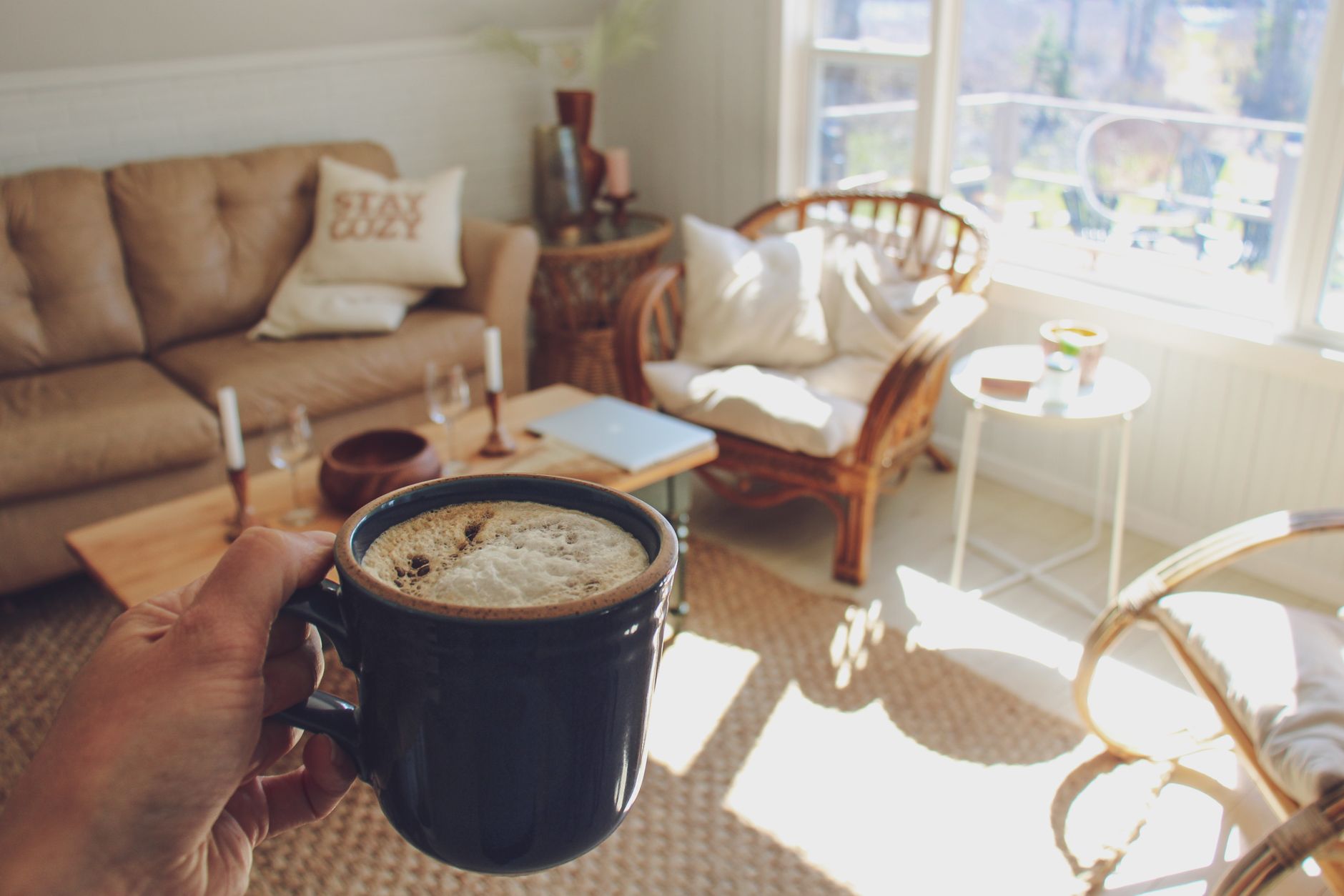
There’s something lovely about the idea of slow living. Quiet mornings, a cup of tea while it’s still warm, a home that feels peaceful, time spent outside, and days that aren’t crammed so full that you collapse into bed wondering where the hours went.
But what if your life doesn’t look like that right now?
What if your mornings are a whirlwind of getting everyone out of the door, your to-do list seems to grow while you sleep, and by the time the house is quiet, you’re too exhausted to do anything other than scroll on your phone?
Perhaps you dream of a slower, simpler life, but the reality is that you have responsibilities, children, work, a house to look after and a hundred little things that need your attention. It can feel as though slow living is something reserved for people with more time, more money, fewer responsibilities or a beautiful cottage in the countryside. But I don’t think that’s true.
Slow living isn’t about having a life with nothing to do. It’s about finding ways to be more present in the life you already have.
It’s about noticing the little things, making room for what matters, and gently stepping away from the feeling that every moment needs to be productive. You don’t have to change everything overnight. You don’t need a new morning routine, a perfectly organised home or an empty calendar. You can begin right where you are.
What is slow living, really?
Slow living is often presented as an aesthetic: linen dresses, freshly baked bread, flowers in a jug, a beautiful kitchen and long, unhurried afternoons. And while there’s nothing wrong with enjoying those things, slow living is about something deeper. It’s a conscious choice to live with more intention. To pay attention to how you spend your time, what you give your energy to and how you want your everyday life to feel.
It might mean making a simple dinner from scratch rather than rushing through another evening. It might mean sitting outside for five minutes before starting the next job. It might mean deciding that the laundry can wait because you need to rest. Sometimes, slow living looks like a homemade loaf cooling on the kitchen counter. Sometimes, it looks like eating beans on toast with your family and calling it a day.
You can live slowly in a busy household, in a small flat, while working full-time, while raising children or while finding your way through a difficult season. It doesn’t require a particular lifestyle. It asks you to become a little more thoughtful about the one you have.
1. Start by noticing where your time goes
Before you make changes, spend a few days noticing how your days actually feel. When do you feel most rushed? Which parts of the day leave you frazzled? Are there things you do out of habit rather than necessity? Do you spend your evenings trying to catch up on everything you couldn’t manage during the day?
Perhaps mornings are particularly chaotic. Perhaps you never seem to get a proper break, or you find yourself saying yes to things when you’re already stretched thin. Understanding where the pressure comes from helps you identify the small changes that might make the biggest difference.
Try asking yourself:
- What part of my day feels most overwhelming?
- What am I doing that could be simplified?
- When do I feel most like myself?
- What would make an ordinary day feel a little gentler?
You don’t need to fix everything you notice. Just begin with curiosity rather than criticism.
2. Choose one small moment to slow down
When life feels overwhelming, the temptation is often to overhaul everything. You decide you’re going to wake up earlier, exercise every day, cook from scratch, keep the house tidy and stop looking at your phone. By Wednesday, you’re exhausted.
Instead, choose one small moment in your day and give it a little more space. Drink your morning tea sitting down rather than carrying it around the house. Open the window and take a few deep breaths before you start work. Walk to the shops without listening to anything. Spend five minutes in the garden after lunch.
The point is to create a small pause in a day that might otherwise feel like one long rush from one task to the next. Once that moment becomes familiar, you can add another if you want to. There’s no need to turn slow living into a checklist you have to complete.
3. Stop trying to do everything at once
One of the hardest parts of a busy life is the constant mental juggling. You’re making dinner while thinking about the washing. You’re helping a child while remembering an email you need to send. You’re watching television but mentally planning tomorrow. Even when you sit down, part of your mind is still working.
Of course, there will always be things to remember and responsibilities that need attention. But you can experiment with doing fewer things at the same time. When you’re eating, try to eat. When you’re talking to your children, put your phone down for a few minutes if you can. When you’re folding laundry, let that be the task you’re doing rather than trying to squeeze three other jobs into the same moment.
Being present isn’t about achieving perfect focus. It’s about gently returning to the moment you’re in.
And if multitasking is something you rely on to get through a demanding day, there’s no need to feel guilty about it. Simply look for opportunities when doing one thing at a time feels possible. If you’re looking for more ways to make everyday life feel a little less rushed, I’ve shared some ideas for simplifying everyday life and slowing down that you might find helpful.
4. Make your home work for the life you actually live
It’s difficult to feel peaceful in a home that constantly seems to demand something from you. There’s always another surface to wipe, another basket of laundry, another cupboard that needs sorting. But a slower home doesn’t have to be a spotless one.
Instead of trying to keep every room perfect, think about what would make your home feel more comfortable and easier to live in. Perhaps clearing the kitchen table would give you somewhere to sit together. Maybe keeping a basket near the stairs would make tidying less of a production. Perhaps you need a comfortable chair with a blanket and a lamp where you can sit for ten minutes at the end of the day.
Start with one small area that affects how you feel. You might also find it helpful to lower the standard you’re holding yourself to. A lived-in home is allowed to look lived in. Your home is there to support your life, not become another full-time job. Create spaces that invite you to pause, rest and enjoy being at home, even if the rest of the house is a work in progress.
5. Simplify your everyday routines
You don’t need an elaborate routine to have a calmer day. In fact, the simpler your routines are, the more likely they are to survive real life. Think about the things you do repeatedly: meals, getting dressed, preparing for the next day, tidying up and getting everyone out of the house.
Where could you make things easier?
Keep a few reliable meals in your regular rotation rather than trying to invent something new every evening. Put tomorrow’s essentials in one place before bed. Have a simple morning routine that doesn’t depend on everything going perfectly. You could also create a short evening reset. Put the kettle on, clear one surface, gather anything you need for the morning and then stop. It doesn’t have to involve cleaning the whole house or preparing every detail of the following day.The aim is to remove a little friction from everyday life, leaving more energy for the things you actually want to do.
6. Let ordinary things become part of the pleasure
We spend so much of our time waiting for the good bits. The weekend. The holiday. The house to be tidy. The work to be finished. The children to be a little older. The moment when life finally feels less complicated. But most of life happens in the ordinary spaces between those things. Slow living encourages you to notice those spaces rather than rushing straight through them.
Light a candle while you make dinner. Put music on while you tidy the kitchen. Open the back door and listen to the birds while the kettle boils. Use your favourite mug on an ordinary Tuesday. Eat your lunch from a proper plate. Pick a few flowers from the garden. Read a chapter of a book before bed.
These things won’t magically make a difficult day easy. They aren’t a replacement for the practical support you might need or the bigger changes you may want to make. But they can bring little moments of pleasure into a day that might otherwise feel like nothing but a list of things to get through. You don’t have to earn those moments by finishing everything else first.
7. Spend a little more time outside
You don’t need to plan a long countryside walk or organise a family outing to enjoy being outside. Sometimes, five minutes in the garden is enough. Notice the weather. Look at what’s growing. Watch the clouds move across the sky. Feel the air on your face. Take the longer route home if you have the time and energy.
Being outdoors can offer a welcome change of pace, particularly when you’ve spent most of the day moving between screens, chores and other people’s needs. You could start by adding a little outdoor time to something you already do. Have your morning drink near an open door, eat lunch outside when the weather allows, or take a short walk after dinner. Let it be something you enjoy rather than another health habit to achieve. Some days, you’ll manage a long walk. On others, opening the back door will be plenty.
8. Make space for things you enjoy
When life gets busy, the first things to disappear are often the things that don’t have an obvious practical purpose. Reading gets pushed aside because the laundry needs doing. Hobbies become something you’ll return to when you have more time. You stop making things, listening to music or doing anything that doesn’t contribute to the running of the household. Before long, every hour seems to have a job. But your life is allowed to contain things that are simply enjoyable.
Read a few pages of a book. Knit, paint, bake, garden or make something with your hands. Listen to an album you love. Watch a film without trying to be productive at the same time. You don’t need to be particularly good at any of these things. You don’t need to turn a hobby into a side hustle or share the results online. You’re allowed to do things because they make your days feel richer.
If you’ve been overwhelmed for a long time, you might find it difficult to know what you enjoy anymore. Start by experimenting with small things and see what feels good. There’s no need to force it. If making more room for yourself feels difficult when life is busy, these simple self-care rituals that fit into busy days are a lovely place to start.
9. Be more intentional with your phone
Our phones can be useful, comforting and a welcome connection to the outside world. They can also make it difficult to feel as though we’ve had a proper pause. You sit down for a few minutes and suddenly half an hour has passed. You pick up your phone to check one thing and find yourself scrolling through other people’s lives while your own evening slips by.
Rather than setting strict rules that are difficult to maintain, try noticing how you feel after using your phone. Does scrolling help you unwind, or do you sometimes feel more restless afterwards? Are there times when you reach for it automatically because you’re tired, bored or avoiding a task that feels overwhelming?
You could try leaving your phone in another room while you eat, keeping the first ten minutes of the morning screen-free, or charging it away from your bed. You might also want to unfollow accounts that leave you feeling inadequate or make you feel that your home, body or life should look different. The goal isn’t to reject technology. It’s to make sure it serves your life rather than quietly taking up all the spaces in it.
10. Learn to leave some things undone
This one can be surprisingly difficult. There is always something else you could do. Another email to answer, another room to tidy, another job to tick off the list. If you wait until everything is finished before you rest, you may be waiting a very long time.
Try deciding in advance what is enough for today. Perhaps you’ll cook dinner, put a load of washing on and spend some time with your family. Perhaps you’ll do the essentials and leave the rest until tomorrow. Perhaps today is a day when your energy is low and the priority is simply getting through it.
Not everything has to be done immediately. Not every opportunity needs to be taken. Not every expectation needs to be met at the expense of your wellbeing. This doesn’t mean ignoring important responsibilities or pretending that everything can wait. It means recognising that your time and energy are finite, and making choices accordingly. Rest is part of a life, not a prize you receive when you’ve completed every task.
11. Create a gentle rhythm instead of a rigid routine
Routines can be helpful, but a schedule that allows no room for real life can quickly become another source of stress. Instead of planning every hour, think about the rhythm you’d like your days to have.
Maybe mornings are for getting everyone sorted and doing the most important tasks. Afternoons are for errands, outdoor time or quieter activities. Evenings are for simple food, a little tidying and winding down.
Your rhythm might look completely different depending on whether you work outside the home, care for children, live with chronic illness or have other responsibilities. The point is to create a loose structure that supports you without expecting every day to unfold in exactly the same way. You could also give different days a gentle focus. One day for food planning, another for errands, another for a small home project. This can reduce the feeling that you should be doing everything, every day.
And when life changes, let the rhythm change with it. A good routine should be something you can return to, not something you have to recover from. If you’re raising children while trying to find a calmer pace for yourself, you might also enjoy these ideas for creating simple daily rhythms that reduce overwhelm.
12. Make peace with your own season of life
Perhaps the most important part of slow living is learning to work with the life you have, rather than constantly wishing it were different. There may be seasons when you have more time for cooking, gardening, reading and long walks. There may be seasons when you’re caring for small children, supporting someone you love, managing health difficulties or simply trying to keep your head above water.
Your version of slow living will look different in each of them.
Sometimes it will mean growing vegetables and making meals from scratch. Sometimes it will mean buying ready-made food, cancelling plans and going to bed early. Sometimes you’ll have the energy to create a beautiful home. Sometimes the most supportive thing you can do is let the house be untidy and concentrate on getting through the day. You don’t have to recreate someone else’s life to live more intentionally.
You can make small, meaningful choices within your current circumstances, even if those circumstances are complicated or far from what you hoped they would be. There is no perfect version of slow living waiting for you somewhere in the future. There is only the opportunity to make your life a little more yours, one small decision at a time.
How to start slow living this week
If all of this feels like a lot to think about, keep it simple. You don’t need to put every idea into practice. Choose one or two things that feel manageable and try them for a week. Here are seven gentle ways to begin:
- Monday: Sit down with your morning drink, even if it’s only for five minutes.
- Tuesday: Make one everyday task easier. Choose a simple dinner, prepare tomorrow’s essentials or leave a non-urgent job undone.
- Wednesday: Spend a little time outside, even if it’s just a few minutes in the garden.
- Thursday: Put your phone away while you eat one meal.
- Friday: Make the evening feel a little special with music, a favourite meal or a cosy film.
- Saturday: Do something purely because you enjoy it, without needing to be productive.
- Sunday: Take ten minutes to think about the week ahead. What matters most? What can wait? What would help you feel more supported?
Adapt the ideas to suit your life. Swap the days around, skip the ones that don’t work and start again whenever you need to. This isn’t another challenge to complete perfectly. It’s an invitation to experiment with a gentler way of living.
A slower life starts with small things
You don’t have to move to the countryside, simplify your entire home or suddenly become someone who wakes at five in the morning to practise yoga and bake sourdough. You can start in the middle of your busy, ordinary life. You can make a cup of tea and actually sit down to drink it. You can decide that dinner doesn’t need to be complicated. You can take a breath before moving on to the next task. You can give yourself permission to enjoy something before the work is finished.
Slow living isn’t about doing everything slowly. It’s about noticing when you’re rushing through a life you want to be present for, and finding small ways to change that. Some days will still be chaotic. Some weeks will feel as though you’re running on autopilot. You’ll forget the things you meant to do and fall back into old habits. That’s part of being human. You can always begin again, right where you are.
I’d love to know: what does slow living look like for you in this season of life? Is there one small thing that helps your days feel calmer or more meaningful? Share it in the comments.
Leave a Reply
You must be logged in to post a comment.