
How to Handle a Plumbing Emergency Before It Ruins Your Home
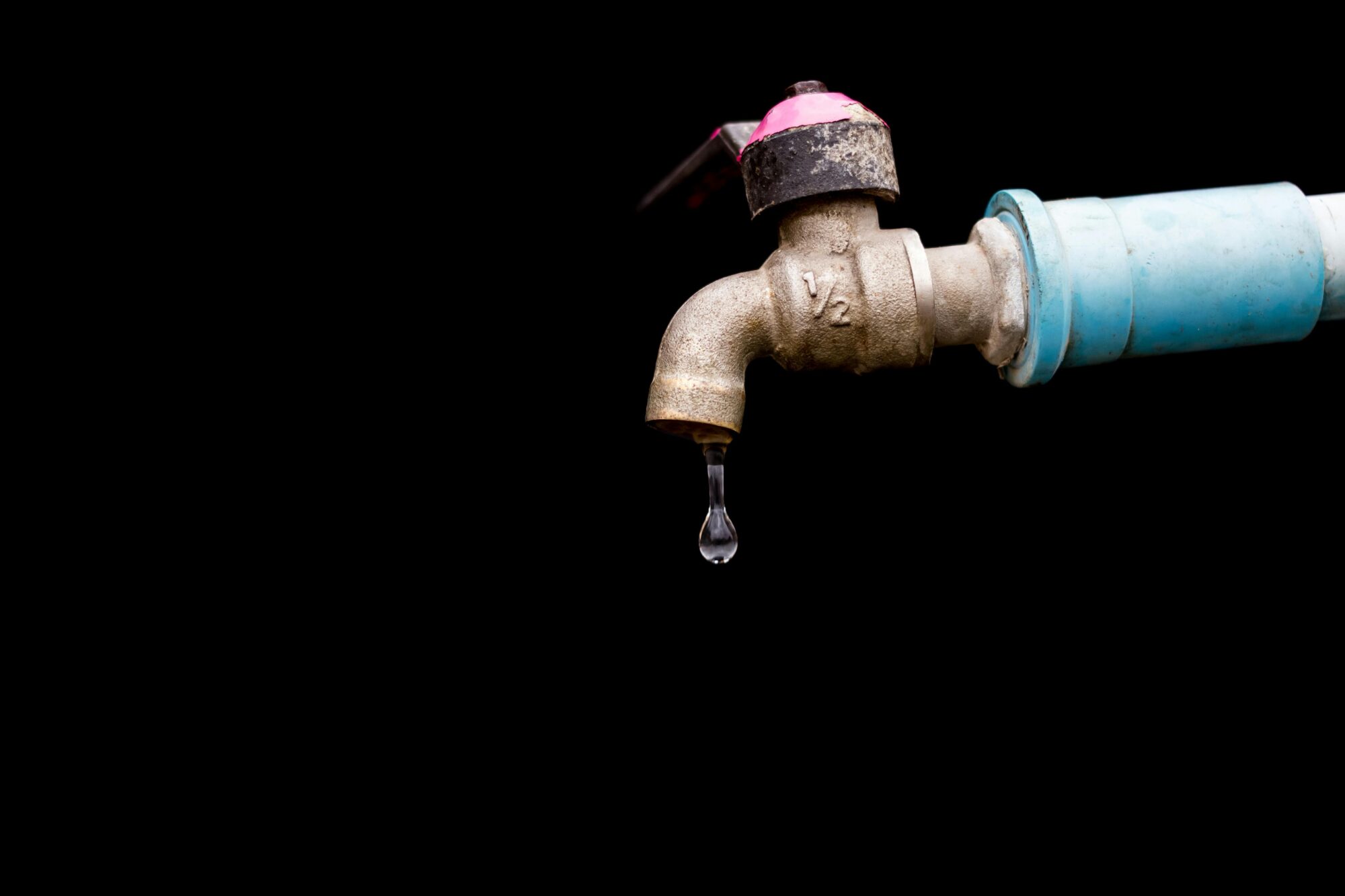
The sound of rushing water inside a wall will stop you cold faster than almost anything else in a house. It is a heavy, wrong sound, and once you hear it, you know something has already gone sideways.
Most plumbing disasters do not start as disasters. They start as a drip that was ignored, a pipe that froze overnight, or a water heater that was making a noise no one wanted to deal with. The damage usually comes from hesitation. What you do in the first ten minutes matters more than what happens in the next ten days.
When a Pipe Bursts and Water Will Not Stop
A burst pipe does not give you much time to think. Water can move fast, especially under pressure, and it will follow gravity into places you cannot see. Drywall fills up. Insulation holds moisture. Floors swell quietly at first. The longer the flow continues, the deeper it gets into the structure.
Before you call in a professional for burst pipe repair, you should shut off the main water valve to the house. Every adult in the home should know where it is. It is usually in the basement, crawl space, or near the water meter. Turn it clockwise until it stops. If you cannot find it, that is a problem worth solving before anything ever breaks.
Once the water is off, open the lowest faucet in the house and let the remaining water drain out of the system. This relieves pressure and slows the leak. Electricity in the affected area should be treated carefully. If water is near outlets or appliances, the breaker for that section may need to be turned off. It is better to sit in the dark for a while than to risk a shock. The key is not speed alone, but sequence. Water off first. Power managed second. Cleanup started third. People sometimes reverse that order, and it costs them.
Overflowing Toilets and Backups
An overflowing toilet feels chaotic, but the mechanics are simple. Water is either still flowing in, or it cannot drain out. Both problems can be controlled. If the bowl is rising, remove the tank lid and push the flapper down. That rubber piece at the bottom of the tank controls the flow into the bowl. Lifting the float can also stop the refill. Then turn the small shutoff valve behind the toilet clockwise to stop incoming water.
If the issue is a clog, a plunger is usually the first tool. Use a flange-style plunger, not the flat one meant for sinks. Make sure there is enough water in the bowl to cover the rubber cup, then create a tight seal and push steadily. Do not jab at it. Controlled pressure works better than frantic motion.
When backups involve multiple drains, such as a toilet and a shower gurgling at the same time, the issue may be in the main sewer line. That is not a do-it-yourself situation for most homeowners. Continuing to run water will only push more into the system. At that point, the safest move is to stop using plumbing fixtures and call for help.
Water Heaters That Leak or Fail
A leaking water heater often starts with a small puddle. It might look harmless, almost like condensation. It rarely stays that way. First, shut off the power source. For electric heaters, turn off the breaker. For gas units, turn the control to the pilot setting. Then shut off the cold water supply valve at the top of the tank. This stops additional water from entering.
If the leak is coming from a connection or valve, it may be repairable. If it is coming from the body of the tank itself, corrosion has likely eaten through the metal. In that case, replacement is usually required. Tanks are under pressure, and once they fail, they do not recover.
Drainage may be necessary to prevent further flooding. A hose can be attached to the drain valve near the bottom and directed to a floor drain. The water will be hot, sometimes very hot, so caution matters.
Frozen Pipes in Cold Weather
Frozen pipes are quiet until they are not. Water expands as it freezes, and the pressure inside the pipe builds slowly. The pipe does not always split at the frozen section. Sometimes it breaks a few feet away, where pressure finds a weak point.
If you suspect a frozen line, turn on the faucet connected to it. If little or no water comes out, there may be ice inside. Apply gentle heat using a hair dryer or space heater, moving it along the pipe. Never use an open flame. That should not need saying, but it does. Keep cabinet doors open under sinks during cold snaps so warm air can circulate. Insulating exposed pipes in basements and crawl spaces helps, too. These steps feel small, but they prevent large repairs later.
Knowing When to Step Back
There is a line between managing an emergency and trying to fix what you cannot see. Temporary control is one thing. Permanent repair is another. If drywall is sagging with water, it can collapse without warning. If a ceiling bulges after an upstairs leak, stay clear. If sewage is involved, contamination becomes a health issue, not just a plumbing one. Protective gear is not optional in those cases.
Insurance companies often ask what was done immediately after the incident. They want to see that reasonable steps were taken to limit damage. Shutting off the water and calling for a professional assessment usually satisfies that. Ignoring the problem for days does not.
Most plumbing emergencies leave clues before they turn serious. It helps to walk through your house twice a year and actually look at things. Handling a plumbing emergency well does not require special talent. It requires familiarity and a bit of calm. Know where your main valve is. Keep basic tools on hand. Act in the right order. And when the situation moves beyond surface water and simple clogs, step back and let trained professionals take over. Houses can recover from water damage, but they do not recover from denial.
Leave a Reply
You must be logged in to post a comment.