
Key Steps to a Successful Bathroom Installation
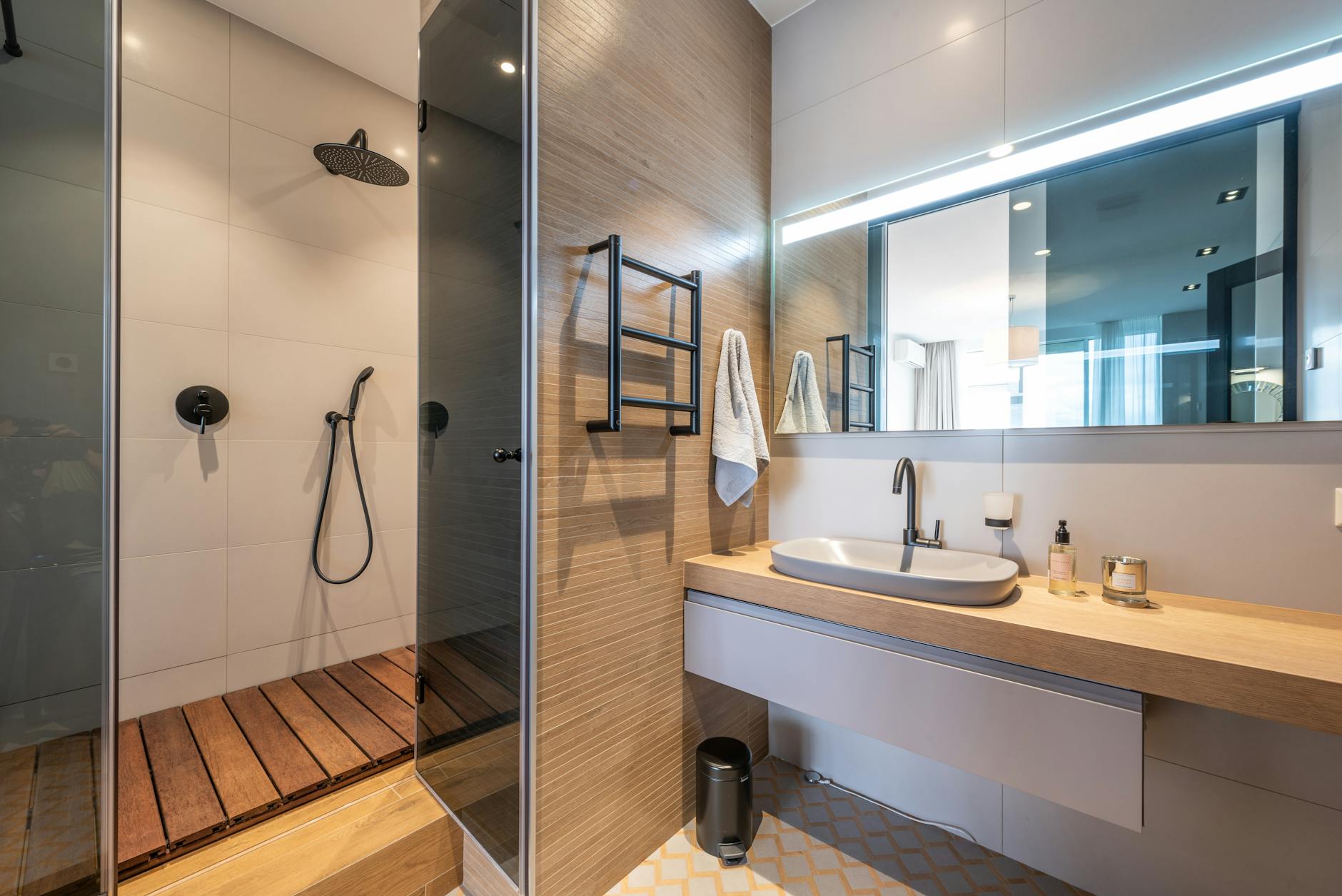
Planning Your Bathroom Installation
A successful Bathroom Installation begins with careful planning. Before any work starts, consider the layout of your space. Measure your bathroom accurately and note where plumbing, doors, and windows are located. Planning also involves deciding on the style, colour scheme, and type of fixtures. This ensures that the space is both functional and visually appealing.
Think about how you will use the bathroom. Are you installing a shower for quick morning routines or a bathtub for relaxation? Do you need extra storage for toiletries or towels? Making a clear plan helps avoid changes during the installation, which can be costly and time-consuming.
Choosing materials is also part of the planning process. Tiles, wall panels, and flooring should be durable and suitable for wet areas. Consider moisture-resistant materials and finishes that are easy to clean. Early planning reduces stress and ensures that every element fits together during the installation.
Preparing the Space
Preparation is key before starting a Bathroom Installation. Begin by clearing the room and removing old fixtures carefully. This includes sinks, toilets, bathtubs, and any cabinetry. If the walls or floors have existing damage, repair them to provide a solid foundation for new installations.
Plumbing and electrical systems should also be checked. Ensure pipes, drains, and wiring are in good condition and positioned according to your plan. It may be necessary to adjust pipework or add new connections. Proper preparation prevents problems later, such as leaks, electrical faults, or misaligned fixtures.
It is also essential to protect your home during installation. Lay down protective sheets to prevent damage to floors and nearby furniture. Cover windows and vents to reduce dust and debris. A well-prepared space ensures a smoother workflow and a higher-quality result.
Installing Fixtures
Once the space is ready, you can begin installing key fixtures. Start with major elements like the bathtub, shower, or toilet. These must be fitted securely and levelled correctly. Proper alignment ensures that water flows correctly and prevents leaks or uneven surfaces.
After major fixtures, install sinks, cabinets, and storage units. Position them according to your layout plan. Check that all plumbing connections are tight and functional. Using quality fittings will improve the durability and performance of your bathroom over time.
Next, consider lighting and mirrors. Proper lighting enhances both functionality and aesthetics. Mirrors help create a sense of space and complement the overall design. Carefully plan the position of lights and outlets to meet practical needs and maintain a neat appearance.
Tiling and Flooring
Tiling and flooring are crucial for both protection and style in a Bathroom Installation. Tiles should be water-resistant and easy to clean. Use suitable adhesives and grouts to prevent water seepage.
Start tiling from a central point and work outwards for even spacing. Check that tiles are level and aligned properly. For the floor, consider slip-resistant tiles to improve safety. Sealing edges and joints helps prevent water damage over time.
Flooring can also include underfloor heating. If you plan to add this feature, install it before laying tiles. This ensures comfort and avoids costly adjustments after installation. Proper attention to tiling and flooring contributes to a polished and long-lasting finish.
Finishing Touches
Finishing touches complete your Bathroom Installation and bring the design together. This includes installing taps, showerheads, handles, and accessories like towel rails or soap holders. Ensure all fixtures are functional and match the overall style.
Painting and decorating walls is another key step. Use moisture-resistant paints to avoid peeling or mold growth. Add small details like decorative tiles or accent panels to enhance aesthetics. Finishing touches may also include sealing joints around sinks and bathtubs to protect against water damage.
Finally, clean the space thoroughly to remove dust, grout residues, and debris. Inspect all fixtures and fittings to confirm that everything works correctly. A well-executed finishing stage ensures that the bathroom is ready for use and looks attractive.
Maintenance and Longevity
Even after a successful Bathroom Installation, regular maintenance is important. Check for leaks, clean grout lines, and inspect seals around fixtures. Routine maintenance prevents issues from developing and keeps the bathroom in top condition.
Consider using eco-friendly cleaning products to protect surfaces and the environment. Keep ventilation systems working efficiently to reduce humidity and prevent mould growth. With proper care, your bathroom will remain functional, safe, and visually appealing for many years.
Leave a Reply
You must be logged in to post a comment.