
Lighting 101 for Beauty Photos: Soft, Flattering Setups That Always Work
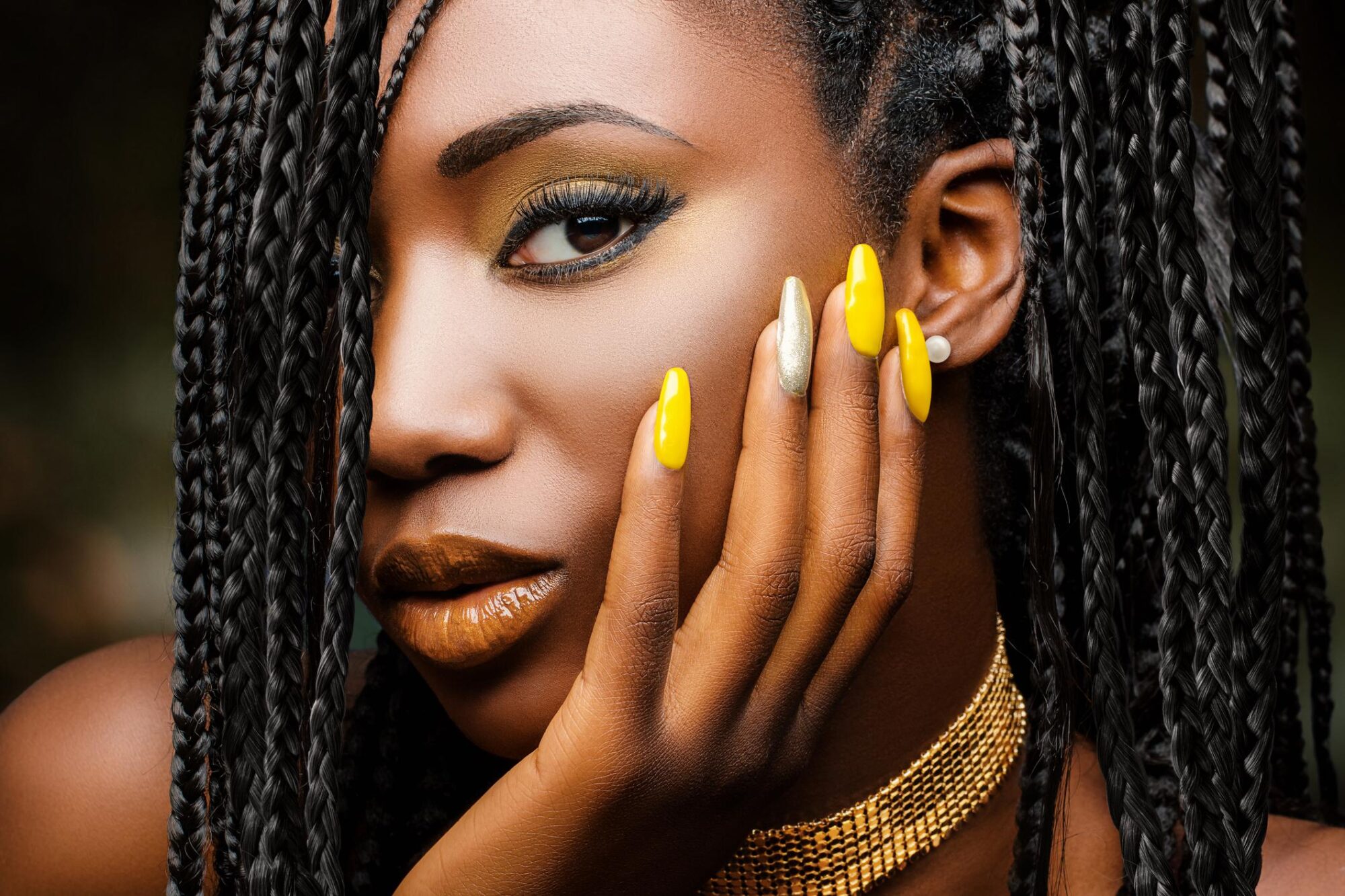
Beauty photography lives or dies by light. You can have the best camera, the cutest model, the cleanest product styling, and a flawless makeup look, and still end up with images that feel harsh, flat, or weirdly “off.” Meanwhile, someone with a phone, a window, and a bedsheet can capture a photo that looks magazine-ready. That’s not luck. That’s lighting.
Soft, flattering light is the great equalizer. It smooths texture without erasing it, brightens eyes, sculpts cheekbones gently, and makes skin look healthy instead of shiny or chalky. It also makes products look premium, reflective packaging looks controlled, and colors look accurate. The best part: you don’t need a studio to get it. You need a few reliable setups you can repeat.
This guide covers the fundamentals of beauty lighting in plain language, the simplest soft-light setups that consistently work, and the small adjustments that turn “pretty good” into “wow.” Whether you’re photographing skincare products, makeup swatches, portraits, or content for social, these lighting principles will travel with you like a good concealer: quietly doing the heavy lifting.
The Big Idea: Soft Light Comes From a Big Light Source
Soft light isn’t a magical setting. It’s physics. Shadows look soft when the light source is large relative to your subject. Think of a cloudy day versus direct midday sun. The sun is the same object, but clouds spread the light across a larger area of sky, creating softer transitions and less harsh shadow edges.
You can create “cloudy day” light indoors by:
- Using a window with indirect light
- Diffusing a light source with a soft material
- Bouncing light off a large white surface
- Bringing the light source closer to your subject (closer often feels softer)
If you remember just one rule, make it this: bigger, closer, and diffused equals softer and more flattering.
The Beauty Lighting Goals (What You’re Trying to Achieve)
Soft, flattering beauty lighting usually aims for:
- Smooth, gentle shadows that define the face without exaggerating texture
- Catchlights in the eyes (those little reflections that make eyes look alive)
- Controlled shine (glow is good, hotspots are not)
- Accurate skin tone and product color
- Separation between subject and background (so everything doesn’t melt together)
When lighting feels “unflattering,” it’s usually because shadows are too harsh, the light is coming from an odd angle, or the scene is under-lit and the camera compensates by adding noise or weird color.
The Two Most Important Tools You Already Have: Angle and Distance
Before you buy anything, master these.
Angle: Where the light is coming from
Light from above can be dramatic but may cast heavy shadows under eyes. Light from directly in front can flatten features. Light from slightly to the side and slightly above is a reliable sweet spot for beauty.
Distance: How far the light is from the subject
Closer light is softer and brighter. Farther light is harder and more contrasty. If you’re struggling, move the light closer or move your subject closer to the window.
Setup #1: Window Light + Sheer Curtain (The Reliable Classic)
This is the simplest soft beauty setup and it works constantly.
What you need:
- A window with indirect light
- A sheer curtain (or a white bedsheet, shower curtain liner, or thin fabric)
- Optional: a white foam board or poster board to bounce light back
How to set it up:
- Place your subject about 1 to 3 feet from the window.
- Put the sheer curtain between the subject and the window to diffuse the light.
- Angle the subject so the window is about 45 degrees to one side, not directly in front.
- Place a white board on the opposite side to “fill” shadows and make the light even softer.
Why it works:
The window becomes a large, soft source. The curtain spreads and smooths it further. The bounce board reduces harsh shadow under the eyes and nose.
Best for:
- Portraits, makeup looks, skincare routines, hair content
- Clean product shots near a window
- Beginner-friendly content that still looks premium
Quick upgrades:
- Want more dimension? Remove the bounce board so the shadow side is slightly deeper.
- Want extra softness? Move closer to the curtain and window.
- Want more sparkle in the eyes? Raise the light slightly by having the subject sit rather than stand, or adjust the angle so catchlights are visible.
Setup #2: Open Shade Outdoors (Soft Light With Natural Glam)
If you’ve ever taken a photo outside and thought, “Why do I look better out here?” it’s probably open shade. Open shade means you’re outside, but not in direct sunlight. Think under a porch roof, in the shadow of a building, or under a big tree with even coverage.
How to use it:
- Position the subject facing the open sky, not facing a dark wall.
- Avoid “dappled light” from leaves creating spotty shadows on the face.
- Use a simple reflector (or a white poster board) below or to the side to bounce light upward for a gentle fill.
Why it works:
The sky acts like an enormous diffuser, creating soft, even light that’s flattering for skin. It’s essentially free studio lighting, as long as you avoid harsh sun patches.
Best for:
- Lifestyle beauty content
- Hair photos with natural movement
- Fresh, airy skincare imagery
Setup #3: Bounce Light (Turning One Light Into a Soft Source)
If you have a single lamp or LED light, you can make it softer by bouncing it off a large white surface.
What you need:
- Any continuous light (lamp, LED panel, ring light, even a bright phone flashlight in a pinch)
- A white wall, foam board, or white poster board
How to set it up:
- Point the light at the white surface, not at the subject.
- Place the subject so the bounced light hits them from an angle.
- Adjust distance: closer bounce surface gives softer light.
Why it works:
The bounce surface becomes the new light source, and it’s much larger than the original bulb. Bigger source equals softer shadows.
Best for:
- Indoor shoots at night
- Consistent lighting for repeatable content
- Product photography where you want controlled reflections
Pro tip:
If your bounced light feels too flat, add “negative fill” by placing something dark on one side of the subject to create gentle contrast.
Setup #4: DIY Diffusion Panel (Instant Softbox Energy)
If you want the “studio softbox” look without buying one, make a diffusion panel.
What you need:
- A translucent white shower curtain, parchment paper, or a thin white fabric
- A frame (optional) or something to clip it onto
- A lamp or LED light
How to set it up:
- Place the diffusion material between the light and the subject.
- Keep the light close to the diffusion material so the whole panel glows.
- Move the panel close to the subject for maximum softness.
Why it works:
You’re turning a small light into a big light by spreading it across the diffusion surface.
Best for:
- Glam portraits with smooth shadow transitions
- Product shots with glossy packaging
- “Skincare ad” vibes on a budget
Safety note:
If you’re using a hot lamp, keep fabric at a safe distance. LEDs are generally safer and cooler than old-school bulbs.
Setup #5: The “Clamshell” (The Classic Beauty Look)
Clamshell lighting is a beauty staple because it’s flattering, predictable, and smooth. It uses one soft light from above and a reflector from below to fill shadows under the eyes and chin.
What you need:
- A window or diffused light source above eye level
- A white board, reflector, or even a sheet of white paper below the face
How to set it up:
- Place the main light slightly above the subject’s eye line.
- Place the reflector below, angled up toward the face.
- Adjust the reflector closer for softer under-eye shadows.
Why it works:
It reduces harsh shadows and creates a clean, bright beauty look. It’s especially helpful for makeup close-ups and skincare content.
Best for:
- Beauty tutorials, headshots, makeup detail shots
- Any look where you want the skin to appear smooth and bright
The Three Biggest Lighting Mistakes in Beauty Photos
- Overhead indoor lights
Ceiling lights create unflattering shadows under eyes and emphasize texture. Turn them off when possible and use one directional soft source instead. - Direct flash
On-camera flash can be harsh and flattening, creating hotspots on the forehead and nose. If you must use flash, diffuse it or bounce it. - Mixed color temperatures
If you combine window light (cooler) with warm indoor bulbs, skin tones can look strange. Pick one light source type per shot and commit to it. Turn off other lights if you’re using window light.
How to Control Shine Without Making Skin Look Flat
Beauty lighting should flatter skin, not erase it. A little highlight is healthy. The issue is uncontrolled hotspots.
To reduce hotspots:
- Diffuse your light more (curtain, diffusion panel)
- Change the angle so the brightest reflection isn’t straight into the camera
- Use blotting paper or a light dusting of translucent powder for portraits
- For product photos, rotate the product and use white cards to shape reflections
Remember: glow is a gradient, hotspots are a warning light.
Lighting for Product Shots vs. Portraits (Same Rules, Different Priorities)
For portraits:
- Prioritize flattering skin and catchlights
- Keep shadows soft and eyes bright
- Avoid lighting from below unless you want a spooky effect
For skincare and makeup products:
- Prioritize label readability and clean reflections
- Use diffusion and white/black cards to control highlights
- Keep backgrounds simple to avoid reflection chaos in glossy packaging
In practice, the setups overlap. A window with diffusion works for both. The difference is what you pay attention to: eyes and skin for people, label and reflections for products.
Editing Can Help, But Lighting Is the Foundation
Editing is where you refine, not rescue. With good soft lighting, you’ll need less editing. Your phone’s camera and editing tools can do a lot if the light is right.
A simple edit approach:
- Adjust exposure slightly if needed
- Correct white balance so skin looks natural
- Reduce highlights a touch if shine is too strong
- Lift shadows slightly if the photo is too contrasty
- Sharpen gently, especially for product labels
Avoid over-smoothing skin. Premium beauty imagery looks real, just well-lit.
When to Use High-Quality Stock Photos (And Why It’s Not “Cheating”)
If you’re creating beauty content consistently, you don’t need to photograph every background, towel, botanical, or bathroom counter from scratch. Tasteful, high-quality stock photos can be a smart way to support your own original images, especially for blog headers, social posts, or lifestyle context shots that would otherwise require a full set build. The key is to use stock imagery as a complement, not a replacement, and to keep the lighting style consistent with your brand’s look.
A Simple Checklist for Soft, Flattering Beauty Lighting
Before you shoot, run through this:
- Is the light soft and diffused?
- Is the main light slightly to the side and slightly above eye level?
- Are there catchlights in the eyes (for portraits)?
- Are shadows gentle and not harsh under the eyes?
- Is shine controlled (no blown-out hotspots)?
- Are colors consistent (no mixed lighting)?
- Is the background not competing with the subject?
If you can say yes to most of these, you’re in the sweet spot.
The Bottom Line
Soft, flattering lighting isn’t complicated, but it is intentional. The best beauty setups are built on the same simple principles: make the light source bigger, diffuse it, bring it closer, and control the angle. Window light with a sheer curtain is the MVP, open shade is the outdoor cheat code, and bounce light turns almost any lamp into a soft studio-like source.
Once you have one or two reliable setups, beauty photography becomes repeatable. And repeatable is where the magic lives, because consistency is what makes your images look premium, professional, and unmistakably “on purpose,” even if you’re shooting on a phone.
Leave a Reply
You must be logged in to post a comment.