
What Makes an Apartment Community Feel Truly Well-Managed
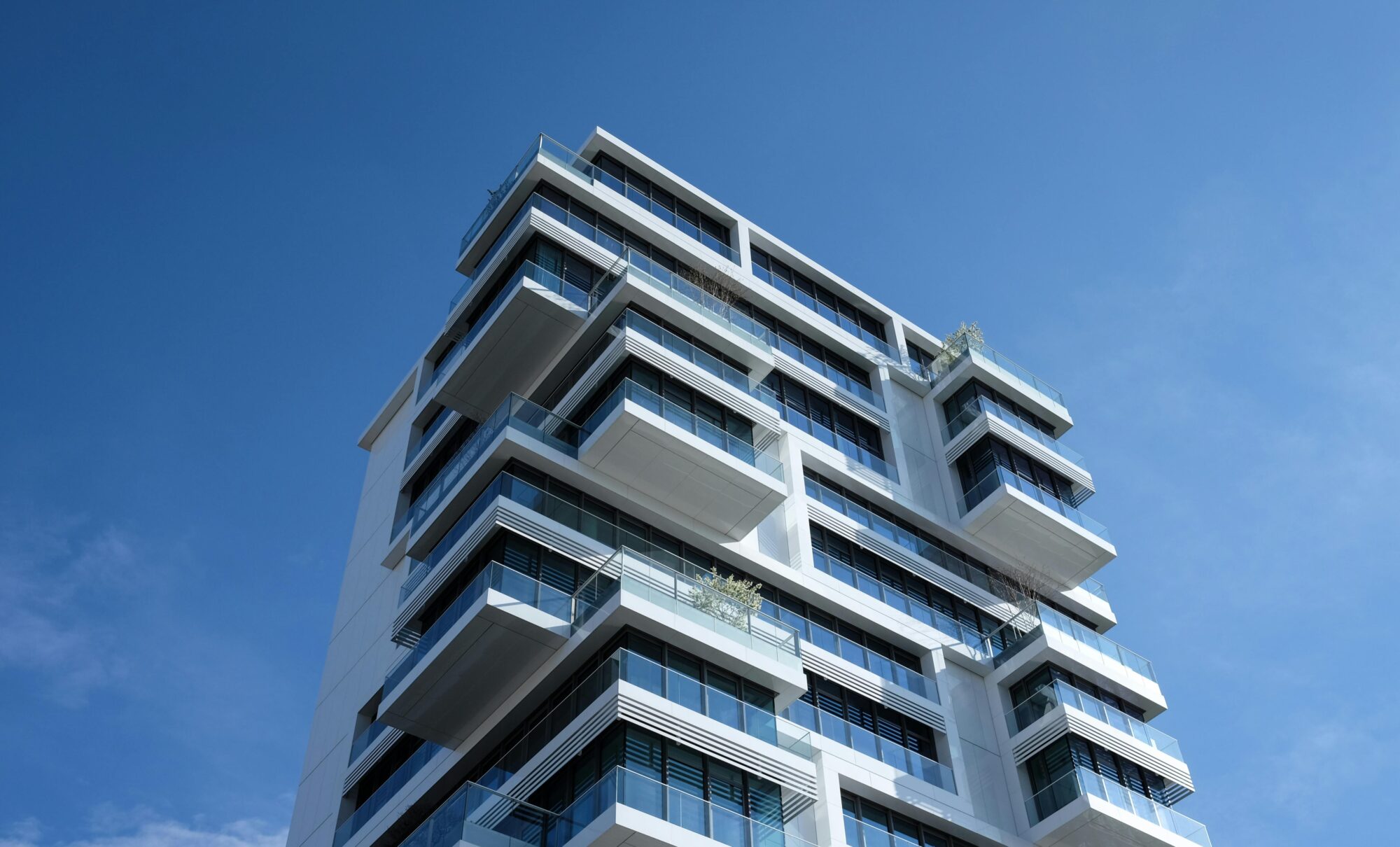
Most residents can tell within the first few weeks whether an apartment community is well-managed. It usually has little to do with square footage or finishes. The real test comes when something goes wrong. A repair request sits unanswered. A hallway light stays out for days. An important notice arrives late or not at all. These moments create stress, and they add up fast.
On the other hand, a well-managed apartment community feels steady. Problems still happen, but residents trust that someone is paying attention. That sense of reliability shapes daily life more than many people realize.
Good management is about consistency, clarity, and respect. When those elements show up across everyday interactions, the entire community feels easier to live in.
Maintenance that feels dependable
Maintenance is one of the quickest ways residents judge management.
Well-run communities handle maintenance requests with clear timelines and follow-up. Staff show up when they say they will. They explain delays when they happen. Small details like cleaning up after a repair or closing a request properly matter more than many realize.
Preventive maintenance also plays a role. When common issues get addressed before they become emergencies, residents feel that management is paying attention rather than reacting under pressure.
Reliable cellphone coverage supports safety and convenience
In apartment communities, cellphone coverage often gets overlooked until it becomes a problem. Concrete walls, metal framing, elevators, garages, and stairwells can weaken signals even in areas with strong outdoor service. For residents, that means dropped calls, slow data, and trouble reaching help when it matters.
Well-managed properties recognize that reliable cellphone coverage plays a role in both safety and daily convenience.
Some apartment communities address this issue by installing commercial-grade cellphone boosters. Providers like RFE Communications install these systems specifically for large apartment complexes, helping improve indoor signal strength across units, hallways, and shared spaces.
When cellphone coverage works consistently, residents notice right away. They feel more confident moving through the building, using parking areas, and handling unexpected situations. While these systems operate quietly in the background, they contribute to a smoother, safer living experience that reflects thoughtful property management.
A visible and responsive staff
An apartment community feels more stable when residents recognize the people who manage it. On-site staff who are present and approachable make a difference. A simple greeting or a quick check-in can change how residents view the entire operation.
Visibility also creates accountability. When residents know who to talk to, concerns get resolved faster. When staff know the community well, they can spot issues early. This kind of connection cannot be replaced by automated systems alone.
Responsive staff do not need to have all the answers right away. They just need to acknowledge concerns and follow through.
Shared spaces send strong signals
Common areas often reveal how a property is run. Hallways, stairwells, laundry rooms, and garages show whether management cares about the daily experience of residents.
Clean, well-lit shared spaces suggest consistency and pride. Broken fixtures, clutter, or ignored wear signal the opposite. Residents pass through these areas every day, and they notice when problems linger.
Good management treats shared spaces as part of the living experience, not an afterthought. Keeping them functional and clean shows respect for the people who use them.
Problems are acknowledged early
No apartment community runs without issues. Pipes leak. Elevators break. Weather causes delays. What separates strong management from weak management is how quickly problems are acknowledged.
Residents feel more comfortable when management confirms receipt of a concern, even before a solution is in place. A short message saying the issue is being reviewed can prevent days of frustration. Silence, on the other hand, creates doubt and often leads residents to assume the worst.
Well-managed communities treat acknowledgment as part of the solution. They explain what is known, what is still being checked, and when the next update will come. This approach keeps residents informed without overpromising.
Rules are applied fairly and clearly
Rules exist to keep apartment communities running smoothly. Parking policies, noise limits, and shared space guidelines all serve a purpose. Problems arise when rules feel inconsistent or unclear.
Strong management communicates rules in plain language and enforces them evenly. Residents quickly notice when policies apply to some people but not others. That perception damages trust faster than almost anything else.
Fair enforcement does not mean being rigid. It means being transparent. When exceptions are necessary, good management explains why and ensures those decisions remain rare. Consistency helps residents understand expectations and reduces conflict.
Planning prevents repeat issues
One sign of effective management is learning from past problems. When the same issues appear again and again, residents start to feel ignored. Well-run communities look for patterns and address root causes instead of treating every issue as new.
This might mean upgrading aging equipment, adjusting maintenance schedules, or rethinking how shared spaces are used. Planning also includes budgeting for long-term needs rather than relying on quick fixes.
Residents may not see these decisions directly, but they feel the results. Fewer disruptions and smoother operations create a sense of stability that defines good management.
Residents feel heard and respected
Respect shows up in small interactions. It shows up in how staff speak to residents, how complaints are handled, and how feedback is received. Residents notice when they are treated like individuals rather than ticket numbers.
Good management listens without becoming defensive. They ask questions to understand concerns fully. Even when a request cannot be approved, a clear explanation goes a long way.
When residents feel heard, they are more likely to communicate early and cooperate during challenges. This creates a healthier relationship between management and the community.
Consistency shapes everyday experience
Consistency may be the most overlooked part of good management. Residents rely on predictable processes. Office hours stay the same. Maintenance requests follow the same steps. Policies do not change without notice.
This consistency reduces stress. People know what to expect and how to get help. Over time, this creates confidence in the management team, even during difficult situations.
A community does not feel well-managed because of one good decision. It feels well-managed because good decisions happen again and again.
A well-managed apartment community does not stand out because everything looks perfect. It stands out because daily life feels easier. Communication stays clear. Problems get addressed. Safety feels intentional. Shared spaces remain functional. Residents feel respected.
These qualities develop through steady effort, not quick fixes. They require planning, accountability, and attention to detail. When management focuses on consistency and transparency, residents notice. Trust grows. The community becomes a place where people feel comfortable staying, not just living.
In the end, strong apartment management feels calm, organized, and dependable. When those qualities are present, residents do not need to think about management at all. That quiet reliability is often the clearest sign that it is working.
Leave a Reply
You must be logged in to post a comment.