
Mid-Winter Home Checkup: What Every Home Needs
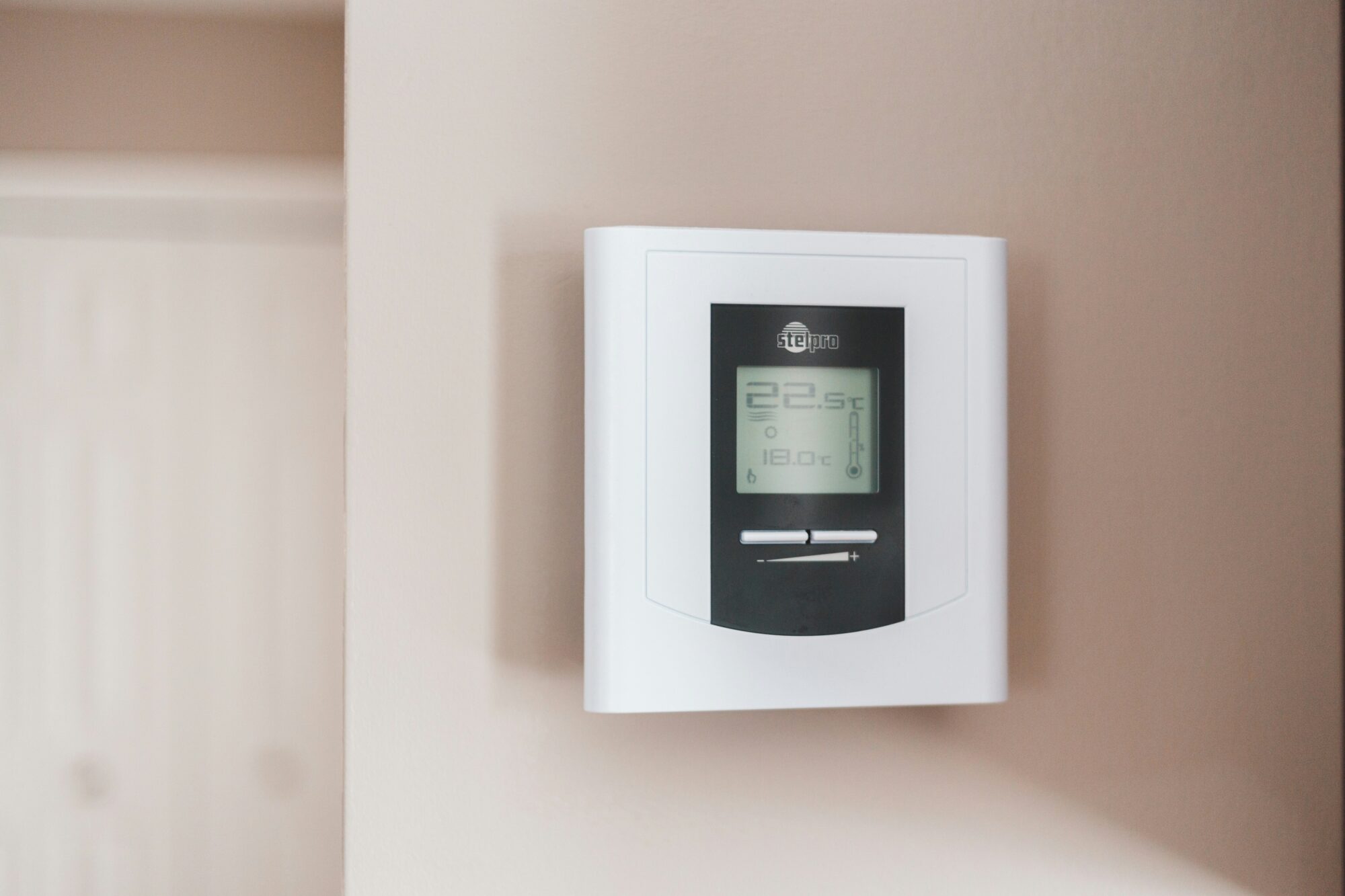
Homes face their toughest conditions in the middle of winter, which makes this point in the season the ideal time for a careful checkup. Colorado Springs often sees average January lows around 14°F, and the frequent temperature swings create stress on heating systems, plumbing, insulation, and exterior structures.
A mid-season walkthrough lets homeowners catch issues while the coldest weather is still ongoing, instead of discovering them when damage has already set in. A focused approach makes the process manageable and ensures every major part of the home gets the attention it needs. Let us elaborate on the key areas homeowners should prioritize during a mid-season inspection.
Heating System Evaluation
Heating systems in Colorado Springs often run nonstop during the coldest weeks of winter, making mid-season an ideal time to evaluate performance with professional support. As systems work harder in colder climates, homeowners may notice early signs of strain such as uneven temperatures, longer warm-up times, unusual noises, airflow changes, or frequent cycling. These issues can be easy to overlook early in the season, but often become more noticeable as cold weather persists.
Addressing concerns early with a qualified technician helps prevent breakdowns during peak demand. If you need heating repair in Colorado Springs, CO, working with local professionals experienced in cold-climate systems helps ensure reliable performance throughout the rest of winter. Technicians who understand the demands of winter conditions can help keep the system reliable through the rest of the season.
Electrical Safety Review
Electrical systems often see more activity during winter because lights, space heaters, and household electronics get used more frequently. Extra strain can highlight issues that weren’t noticeable when usage was lighter. Flickering lights, warm outlets, and tripping breakers indicate that a circuit is carrying more load than it should. These changes are not always dangerous immediately, but deserve attention before they escalate.
A quick electrical checkup helps homeowners catch problems early. Looking at breaker panels for signs of wear, making sure outlets aren’t overloaded, and checking the condition of frequently used extension cords are simple steps that improve safety. A licensed electrician should evaluate any unusual smells, persistent flickering, or repeated breaker trips.
Insulation Weak Spots
Mid-winter is the perfect time to look for insulation issues because cold weather makes drafts and heat-loss areas more noticeable. Certain rooms may feel colder than others, or floors may feel cooler in specific spots. These signs often point to thin insulation in attics, basements, or wall cavities. Homeowners can also look for uneven snow melt patterns on the roof, which can indicate escaping heat.
Small insulation improvements can make a noticeable difference in comfort. Adding insulation to an attic, sealing gaps around openings, or insulating basement rim joists helps stabilize indoor temperatures. These upgrades also support more efficient heating for the remainder of winter.
Plumbing Safeguards
Cold weather places the plumbing system under constant pressure, especially in areas where pipes are near exterior walls or unheated sections of the home. Low temperatures can slow water flow or cause pressure fluctuations, which often serve as early warnings that a pipe is beginning to freeze. Even minor changes deserve attention since frozen pipes are a common mid-winter issue.
A mid-season check includes looking at exposed pipes, making sure insulation around them is intact, and checking crawl spaces or utility areas where cold air can settle. Simple measures such as pipe wraps or keeping cabinet doors open near sinks add an extra layer of protection.
Roof and Gutter Health
Winter storms, melting cycles, and accumulated snow place significant weight and moisture on roofs and gutters. Ice ridges along the roofline, sagging gutters, or small pools of water near the edges often indicate drainage problems. These issues can develop slowly, so mid-winter is a smart time to take a closer look.
A visual inspection from the ground helps homeowners spot trouble early. Looking for missing shingles, blocked downspouts, or uneven snow buildup provides insight into how the roof is handling winter conditions. Addressing these problems now helps prevent more serious water damage as temperatures continue to fluctuate.
Window and Door Seal Precision
Window and door seals play a major role in maintaining indoor comfort during mid-winter. Cold weather often exposes worn weatherstripping or small gaps where outdoor air slips inside. Homeowners may notice slight drafts when standing near windows or doors, or they might see curtains move gently when the heating system turns off. These small signs deserve attention because minor air leaks can lead to noticeable heat loss and higher energy use.
A mid-season checkup helps pinpoint areas that need simple improvements. Weatherstripping that has hardened or pulled away from the frame can be replaced with newer material that fits tightly.
Indoor Air Quality Balance
Indoor air quality tends to decline in winter because homes remain closed for long stretches of time. Heating systems run frequently, which can dry the air and spread dust through the house. Residents may notice dryness in the air, lingering odors, or more visible dust on surfaces. These conditions affect comfort and often make the home feel more stuffy than it does in other seasons.
A mid-winter review of indoor air quality keeps the environment healthy and comfortable. Checking filters in the heating system, cleaning return vents, and managing humidity levels create a more balanced atmosphere. Humidifiers help reduce dryness, while regular filter changes keep air moving smoothly through the home.
Mid-Season Energy Review
Energy use often peaks during winter when heating systems, lights, and appliances work harder each day. A mid-season look at utility habits helps homeowners understand how their daily routines influence overall energy consumption. Small shifts in behavior can create significant savings for the rest of the season.
A review includes looking at thermostat settings, lighting habits, and how frequently appliances run. Smart thermostats or plug-in energy monitors provide helpful insight into patterns that aren’t always obvious.
A mid-winter home checkup strengthens comfort, safety, and efficiency during the coldest time of year. Each area of the home responds differently to winter conditions, which is why a focused walkthrough midway through the season uncovers issues that weren’t noticeable earlier.
Reviewing the heating system, electrical load, insulation, plumbing, roofing, seals, air quality, and energy habits helps homeowners stay ahead of problems and avoid costly surprises. A little attention now supports a smoother, more comfortable finish to winter and reinforces a healthy, well-maintained home for months to come.
Leave a Reply
You must be logged in to post a comment.