
Creating Living Spaces That Work Better
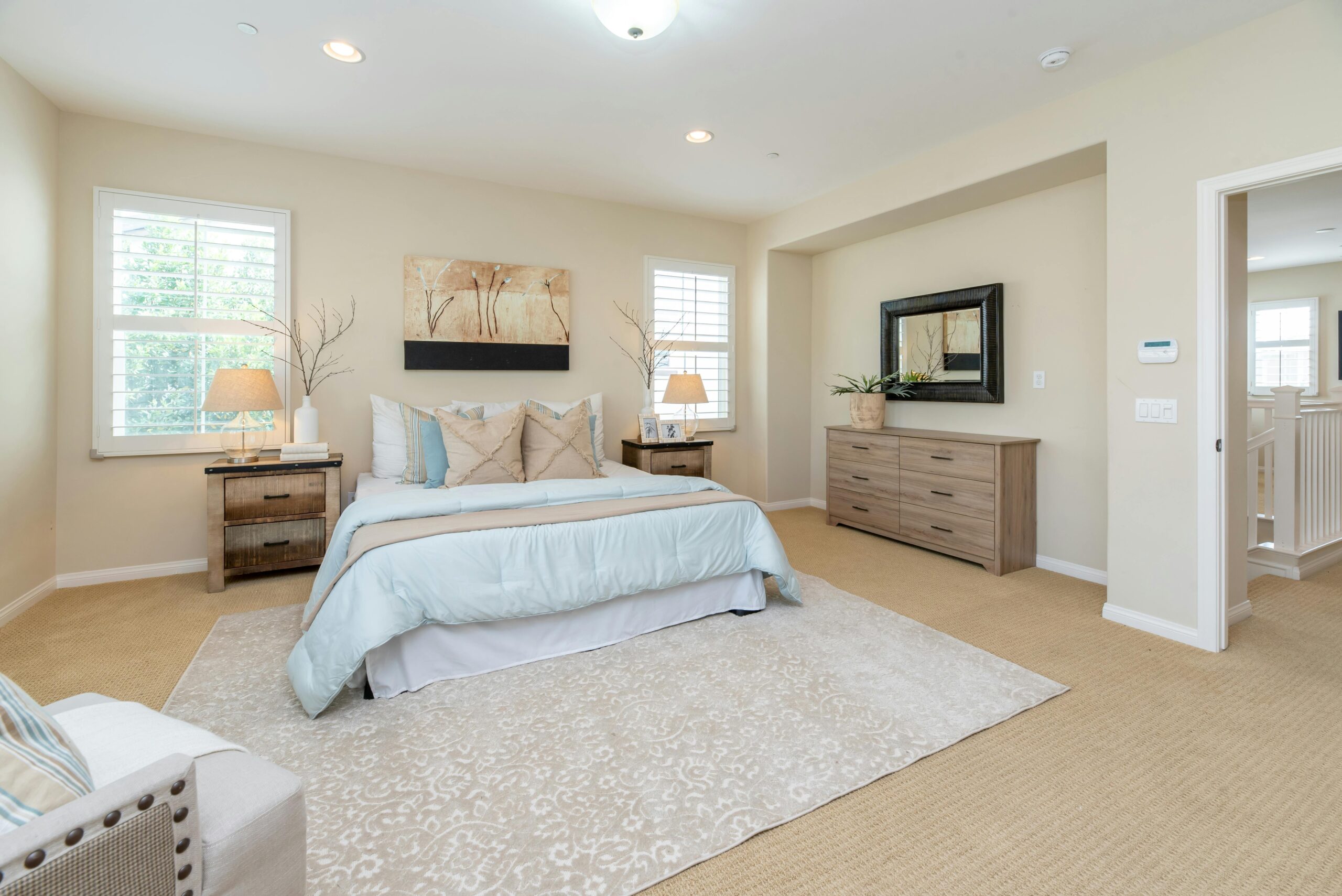
Ever walk into a room and instantly feel tense without knowing why? Maybe the lighting’s too harsh, the furniture’s oddly placed, or the whole thing just seems built for someone who doesn’t live like you do. Across Virginia, from high-rise condos to quiet small-town homes, more people are rethinking how their spaces actually serve their lives. In this blog, we will share how to create living spaces that aren’t just styled well—but function better, for the way people really live.
Start With What Comfort Actually Means
Comfort is subjective. For some, it’s a spotless minimalist setup with nothing out of place. For others, it’s a couch that can swallow you whole and a pile of books on every table. But underneath the style choices, every good living space has one thing in common: it works. It supports your habits, not just your Pinterest board.
And before any renovation, furniture swap, or design sprint, basic function has to be solid. Things like reliable heat, ventilation, and insulation aren’t fun to think about—but if they’re off, the whole space suffers. You can’t relax in a room that’s freezing in January or constantly smells like last week’s leftovers from the neighbor’s kitchen. That’s where building systems come into play.
For residents who rely on dependable home systems, especially in older or multi-unit buildings, knowing there’s expert support makes a real difference. Reliable heating repair in Roanoke, VA becomes more than just a seasonal service—it’s a form of quality control. Technicians who specialize in residential systems for varying layouts and building ages can help not just fix heat issues, but improve air flow, energy use, and long-term comfort.
When the foundation of a space—literally and structurally—supports a livable, temperature-controlled, breathable environment, everything you add on top of that functions better. Your lighting makes more sense. Your layout stops fighting the airflow. And most importantly, people feel better being in the room.
Design Should Match Behavior, Not Just Look Good
The problem with many modern interiors is that they’re staged to look great in photos, not to serve actual life. An open-concept space with no storage works until you live in it. A trendy kitchen island becomes an obstacle course if it blocks the most-used cabinet. And that fancy lamp you loved online doesn’t seem quite so chic when it glares off your laptop screen every afternoon.
Creating a living space that works better starts with paying attention to how the space is used—not how it’s supposed to be used. Where do your keys go when you walk in? Where do people tend to drop bags, phones, or mail? Which areas collect clutter or stay empty? These patterns aren’t problems to fix. They’re clues.
Instead of forcing behavior to fit a design, good design adjusts around the natural rhythms of whoever lives there. That might mean a drop zone near the door instead of constantly “decluttering” a pile that always reappears. It could mean moving the TV to where you actually watch it instead of where it’s always been. Function-driven tweaks beat aesthetic overhauls every time.
Storage, too, becomes a silent hero in spaces that flow well. Built-ins, under-bed compartments, vertical wall use—all of these reduce the visual noise and emotional fatigue that comes from constantly needing to clean, move, or “manage” stuff. It’s not about owning less. It’s about making sure what you do own has a home that makes sense.
Build Flexibility Into Every Corner
Long-term livability isn’t about building the perfect room. It’s about building a space that can adapt. Life changes. People grow. Interests shift. What you need from a room this year may be completely different five years from now. That’s where modular, adjustable features prove more valuable than built-ins and fixed plans.
Furniture on wheels, fold-out tables, multi-use seating—all of these allow for quick layout shifts without needing a truck or a two-day project. Even smart technology—dimmable lighting, zoned heating, movable sound systems—helps rooms become more responsive instead of rigid.
Flexible space isn’t just a pandemic-era trend. It’s a recognition that most people live multi-purpose lives in finite square footage. A guest room might need to double as an office. A living room might be the spot for movie nights and yoga stretches. Rather than designing separate areas for each task, design shared areas that can transform with minimal effort.
This doesn’t require custom work or massive investments. Often, it’s about subtracting rather than adding. Clear floor space, movable storage, and furniture that doesn’t dominate the room give your layout breathing room and functional agility.
Materials and Finishes Should Work as Hard as You Do
There’s no badge of honor in spending your weekend scrubbing grout or babying countertops. A space that works well supports easy maintenance. That means choosing materials that resist stains, surfaces that hold up to traffic, and finishes that clean quickly without fuss.
In high-use areas, flooring should resist scratches, rugs should be washable, and fabrics should withstand wear. Bathrooms and kitchens benefit from non-porous counters and good ventilation. Open shelving looks great in design magazines, but cabinets keep dust, grease, and chaos under control.
Use color to mask, not highlight, wear. Whites and matte blacks show fingerprints fast. Mid-tones and patterned textures tend to hold up longer in homes with pets, kids, or high turnover. These aren’t style compromises—they’re decisions that keep your space functional without looking beat-up six months in.
A space that works better isn’t necessarily one that looks newer. It’s one that doesn’t constantly ask you to fix, clean, or adjust. It’s predictable. It helps you move through the day without extra friction.
Make Room for Rest and Reset
Every living space should include somewhere to reset. That doesn’t have to be a full room. It could be a chair with good light, a corner for headphones and a notebook, or a window ledge with a view that forces you to pause. Rest isn’t always about sleep—it’s about places that let your brain quiet down.
The more visually chaotic a room feels, the less restful it becomes. And while this doesn’t mean you need to go full minimalist, it helps to have boundaries. A home office that disappears at the end of the workday. A TV area that dims and shifts to soft light when it’s time to relax. A bedroom that doesn’t double as a storage closet.
Making a space work better means it doesn’t work against you. It holds your life, instead of demanding your energy to keep it running.
Every home tells a story. The best ones read like they were written for the people who actually live there. Not staged. Not styled to death. Just balanced, lived-in, and ready to support real life in real time. When your space works for you, everything else feels a little easier to manage. And these days, that’s worth more than any design trend.
Leave a Reply
You must be logged in to post a comment.