
How Families Restore a Sense of Normalcy Following Home Damage
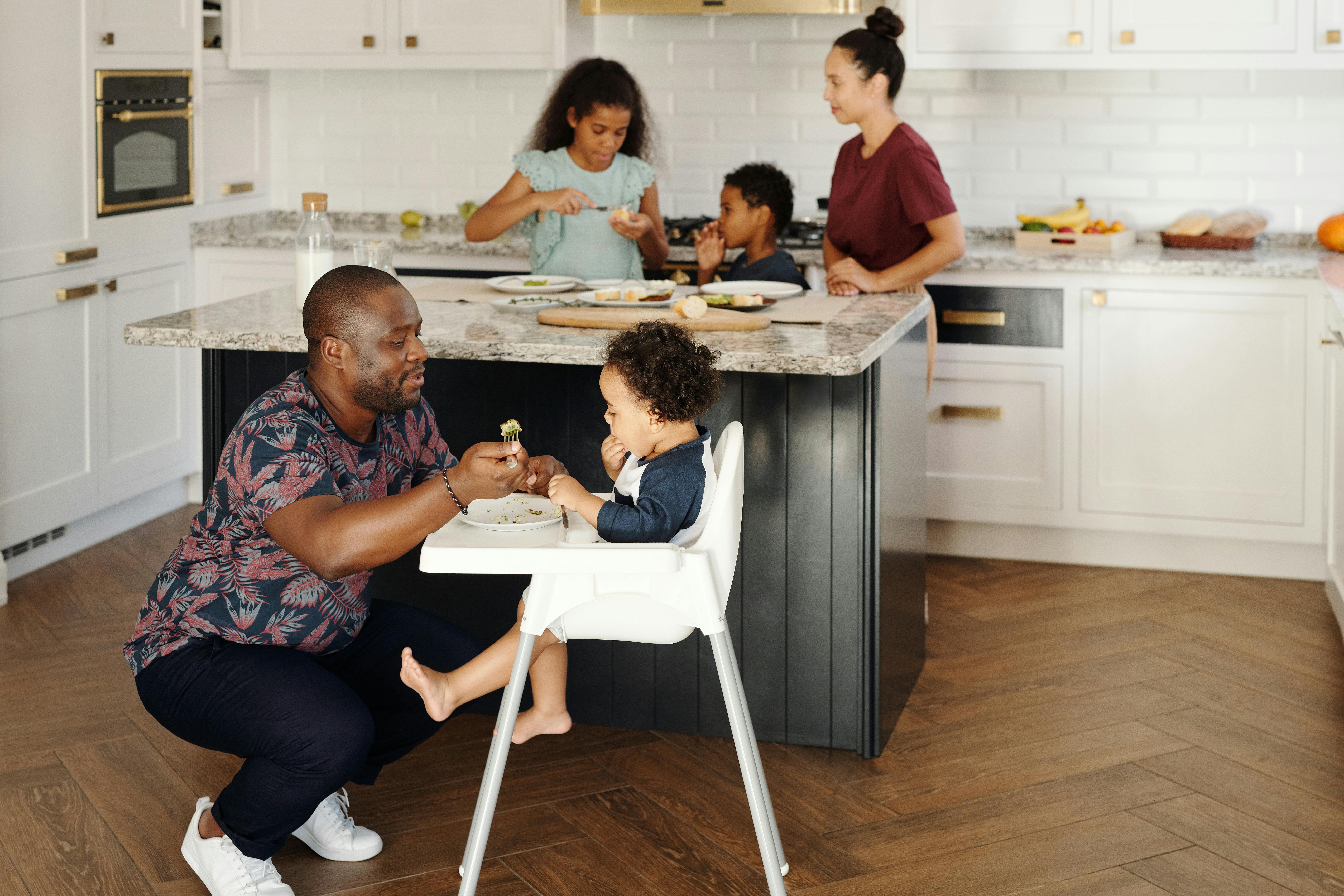
Home damage has a way of turning everyday life upside down, even after the immediate crisis has passed. Familiar spaces feel unfamiliar, routines feel disrupted, and families often find themselves adjusting to a temporary version of daily living. Recovery becomes about more than fixing what was damaged. Comfort, emotional balance, and a sense of normalcy all need time and attention. Families often look for ways to regain a feeling of stability while navigating decisions, repairs, and ongoing changes within the home.
Restoring a sense of normal life often happens through both practical steps and emotional care. Small routines, shared conversations, and thoughtful updates help the home slowly feel welcoming again. Each stage of recovery offers an opportunity to rebuild physical spaces and also the sense of safety and familiarity that makes a house feel like home. Progress may feel gradual, yet every choice contributes to the larger picture of healing and renewal.
Living Space Care
Rebuilding living spaces starts with careful attention to areas that support everyday comfort. Families often begin by focusing on spaces where they spend the most time, such as living rooms, kitchens, or shared family areas. Cleaning, organizing, and restoring rooms helps daily life regain a sense of order. Visual progress in such spaces can offer reassurance and create moments of relief during an otherwise demanding period. Thoughtful decisions around layout, lighting, and furnishings help reestablish familiarity and ease.
If fire has damaged your humble abode, it’s best to leave restoration to the experts. Specialists trained in fire damage repair understand how to tackle hidden concerns that may not be immediately visible, such as structural impact, lingering odors, or compromised materials. Hiring experts allows families to focus on emotional recovery while knowing the technical work is handled with care and experience.
Temporary Routines
Regular meal times, bedtime habits, and shared moments help create structure during a period that may feel unpredictable. Familiar routines remind everyone that daily life continues, even while the home undergoes changes. Simple actions such as family dinners or evening conversations can bring comfort and connection during recovery.
Flexibility often becomes part of these routines. Adjustments allow families to respond to changing circumstances without feeling overwhelmed. A routine does not need to look perfect to be effective. Familiar patterns provide emotional grounding and help children and adults alike feel supported as the home gradually returns to a comfortable state.
Open Communication
Clear communication helps families navigate recovery together. Honest conversations about what is happening, what decisions need to be made, and what timelines may look like reduce uncertainty. Family members benefit from understanding the process, even when answers feel incomplete. Open dialogue builds trust and helps everyone feel included rather than left in the dark.
Sharing thoughts and emotions also supports emotional well-being. Family discussions create space for reassurance, patience, and understanding. Listening becomes just as important as explaining. A home recovers more smoothly when everyone feels heard and supported throughout the journey.
Comfort Updates
Comfort-focused updates often provide a sense of progress without requiring major construction. New paint, updated textiles, or refreshed lighting can make a room feel welcoming again. These smaller improvements offer visual encouragement and help the home feel lived-in rather than disrupted. Familiar textures and colors bring a sense of calm during recovery.
Moreover, comfort updates allow families to personalize their space again. Choosing items that reflect shared tastes or memories adds emotional warmth to the environment. Each thoughtful addition helps replace stress with familiarity and allows the home to slowly reclaim its identity.
Calm Areas
Designating calm areas gives families a place to rest both physically and emotionally. Quiet corners, reading nooks, or peaceful bedrooms become retreats during a time filled with decisions and activity. These spaces offer a break from ongoing work and provide moments of relaxation and reflection. Calm areas support mental rest and help manage emotional fatigue.
Soft lighting, comfortable seating, and minimal clutter help establish a sense of ease. A dedicated calm area reinforces the idea that rest and emotional care matter just as much as repairs and planning.
Family Decisions
Family involvement often brings a sense of unity during home recovery. Shared decision-making allows everyone to feel connected to the process, even when choices feel challenging. Discussing plans together helps align expectations and reduces confusion as repairs and updates move forward. Each voice matters, whether the topic involves room layouts, temporary living arrangements, or future updates.
Including children in age-appropriate ways can support emotional comfort. Simple choices such as selecting colors or helping organize spaces give them a sense of participation and control. Family decisions made together often strengthen trust and help restore a feeling of togetherness that may have felt disrupted after the damage occurred.
Emotional Balance
Cleanup and restoration bring both physical and emotional demands. Managing this balance requires patience and awareness of personal limits. Taking breaks, acknowledging emotional responses, and allowing moments of rest help prevent burnout. Recovery becomes smoother when families recognize that emotional well-being deserves attention alongside practical tasks.
Open support among family members contributes to emotional balance. Checking in with one another, sharing frustrations, and offering reassurance can ease stress. A home recovers more gently when emotional needs receive care throughout the process rather than being pushed aside.
Future Planning
Planning future updates gives families a sense of direction beyond immediate repairs. Looking ahead helps shift focus toward possibility and renewal. Thoughtful planning allows families to consider how their home can better support daily life moving forward. Conversations about future improvements often spark optimism and help transform recovery into a period of growth.
Plus, future planning encourages mindful choices. Families may think about layout adjustments, updated materials, or functional changes that support comfort and safety. Each forward-looking decision reinforces the idea that the home has a future shaped by intention rather than disruption.
Child Reassurance
Children often feel the impact of home damage deeply, even when emotions remain unspoken. Familiar spaces, consistent routines, and reassuring conversations help restore a sense of security. Keeping bedrooms predictable and maintaining daily habits such as bedtime stories or family meals supports emotional comfort during recovery.
Clear explanations also help children process change. Honest, calm conversations reduce uncertainty and help build trust. Reassurance grows when children see adults handling challenges with care and confidence.
Restoring normalcy after home damage takes time, patience, and thoughtful care. Families rebuild comfort through routines, open communication, and steady progress within shared spaces. Emotional well-being plays a central role alongside repairs and planning. Each step forward helps transform disruption into renewal. A home gradually regains its sense of warmth through intention, connection, and care.
Leave a Reply
You must be logged in to post a comment.