
Designing an Entryway That’s Both Beautiful and Built to Last
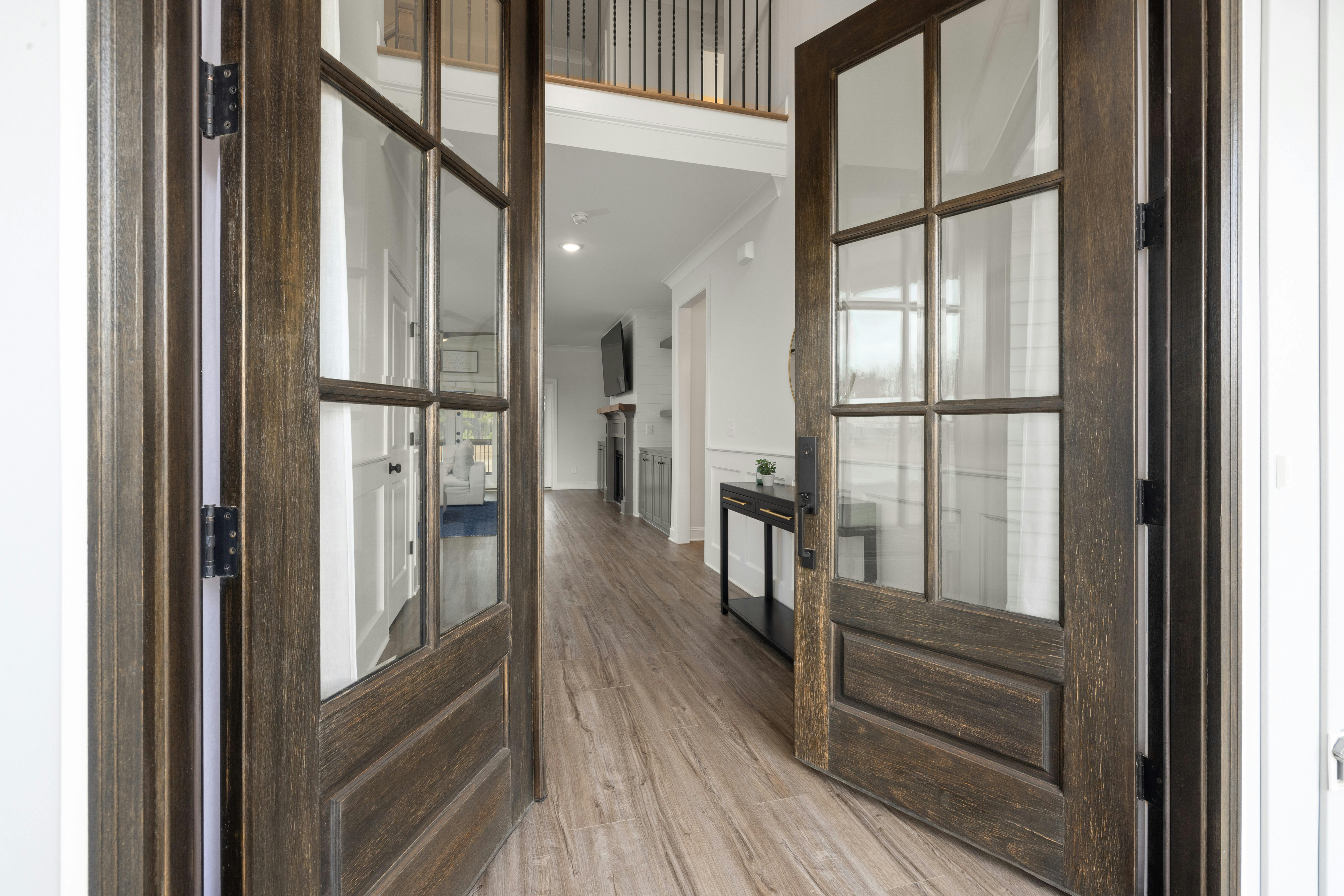
In Tampa, an entryway has to do a lot of work. It needs to look welcoming, hold up against heat and humidity, deal with wet shoes and wind-driven rain, and still function well every day. That is where many homeowners run into problems. An entryway may look polished at first, but if the flooring stains easily, the walls scuff quickly, or water collects near the threshold, the space starts to wear down fast. Good design solves those issues before they start. A lasting entryway is not built around one feature alone. It comes from smart choices about layout, materials, weather protection, storage, lighting, and the door itself. When these pieces work together, the space feels finished, practical, and easier to maintain.
Make the Door Part of the Whole Design
The front door matters, but it should support the entryway rather than take over the entire conversation. A good entry door adds security, helps with insulation, and sets the tone for the home, but it works best when it fits with the flooring, lighting, trim, and exterior style. Material choice is important in Florida conditions. Fiberglass often appeals to homeowners because it resists moisture and needs less upkeep than wood. The look of the door should also suit the house. A sleek design may fit a modern exterior, while a paneled style may work better on a more traditional home. Some homeowners also consider upgrades like impact doors to improve durability and energy performance. For impact doors Tampa homeowners often look for options that balance storm protection with a style that feels right for the rest of the entryway.
Choose Flooring That Can Take Real Use
The floor does a lot of heavy lifting in an entryway, especially in Tampa homes where people track in sand, rainwater, grass, and dirt. That is why appearance alone should never guide your decision. A material may look beautiful in a showroom and still perform poorly once daily traffic starts. Flooring near the entry should be easy to clean, resistant to moisture, and able to handle constant use without showing damage too quickly. Porcelain tile is often a strong choice because it is dense, durable, and less likely to absorb water. Luxury vinyl can also work well if it is made for high-traffic areas. Smooth surfaces that mop easily tend to hold up better than anything that traps grit. A strong floor makes the rest of the entryway easier to manage.
Build Storage Without Making It Feel Crowded
Entryways work better when they help control clutter. Shoes, bags, umbrellas, dog leashes, and keys all tend to collect near the front of the home, whether you plan for them or not. Built-in or well-placed storage helps keep that mess from spreading. The key is choosing storage that matches the size of the space. A bench with hidden storage can hold shoes while giving people a place to sit. Wall hooks keep bags and jackets off the floor. A tray or small drawer near the door gives keys and mail a set spot. In tighter entryways, vertical storage often works best because it uses wall space without interrupting movement. Good storage does not need to dominate the room. It should quietly make everyday routines easier.
Choose Wall and Trim Materials That Are Easy to Maintain
Walls and trim in an entryway often get overlooked, but they take more wear than many other parts of the home. Bags brush against corners, shoes scuff the lower wall, and moisture from damp clothing or umbrellas can leave marks behind. That is why this area needs finishes that are practical as well as attractive. Washable paint with a durable finish is often a better choice than flat paint, which can show marks more easily and be harder to clean. Trim should also hold up well in a humid environment. Materials that swell easily or peel over time will create extra maintenance. Clean-lined trim profiles often work well because they collect less dust and are easier to wipe down. When walls and trim are chosen carefully, the whole entry stays fresher with less effort.
Use Lighting to Improve Safety and Everyday Comfort
Lighting affects how the entryway looks, but more importantly, it affects how well it works. A poorly lit entrance makes it harder to unlock the door, spot water on the floor, or welcome guests safely after dark. The best lighting plans usually combine function and appearance. Outside, sconces or overhead fixtures should light the path to the door clearly without creating harsh shadows. Inside, the entry should feel bright enough to move through comfortably and find what you need. If the area has no natural light, this matters even more. Motion-sensor lighting can also help with safety and convenience, especially at the exterior entrance. Good lighting should make the entryway easier to use in real life, not just more attractive in photos.
Design for Real Life, Not Just First Impressions
A lasting entryway should look good, but it should also work on busy mornings, rainy afternoons, and everyday routines. This is where many designs fall short. They focus on appearance but ignore the way families actually live. Think about the full experience of entering the home. Is there a place to set bags down? Can guests step inside without crowding the door? Is there enough room to take off shoes without blocking the path? Does the space stay easy to clean after bad weather? These are the details that turn a nice-looking entryway into a useful one. A strong design does not need to be complicated. It just needs to respond to the way the space gets used. Practical choices usually age better than decorative ones made without a purpose.
A durable entryway is never just about the front door. It is a combination of flooring, layout, storage, weather protection, wall finishes, lighting, and a door that fits the space instead of dominating it. In Tampa, these choices matter even more because heat, humidity, rain, and daily traffic can wear down weak materials fast. When you design the entryway as a complete system, the space works better from every angle. It feels welcoming, stays easier to clean, and stands up to real use without losing its appeal. That is what readers looking for this topic actually need: not surface-level design ideas, but practical guidance that helps them create an entryway that looks good and keeps working year after year.
Leave a Reply
You must be logged in to post a comment.