
Simple Ways to Protect Your Home From Unexpected Water Damage
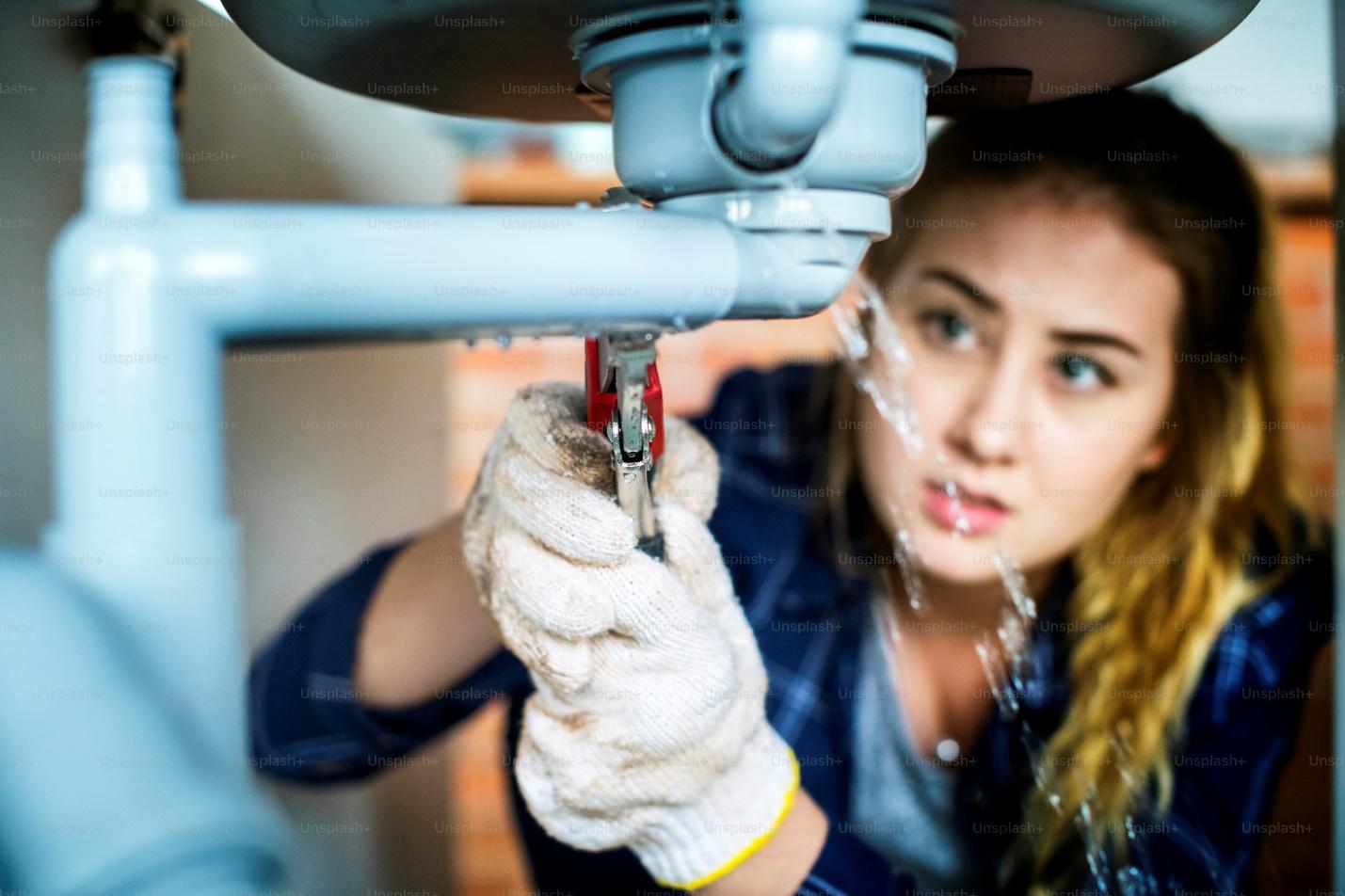
Water damage is one of the most common problems homeowners face, yet it rarely begins with a dramatic event. More often, it starts with a slow leak, a worn seal, or a small drainage issue that quietly develops over time. Moisture that seeps into flooring, drywall, or framing can weaken structural materials and create conditions that allow mold and mildew to thrive.
Routine maintenance plays a major role in preventing these situations. Simple tasks such as checking appliances, clearing gutters, and sealing exterior gaps can dramatically reduce the risk of unwanted moisture entering the home. Homeowners who stay proactive often catch small issues before they become expensive repairs. Regular inspections also help identify vulnerable areas where water may accumulate during heavy rain or plumbing failures.
Mastering Moisture Control: Gutters, Drainage, and Insurance Awareness
A home’s first defense against water damage begins with proper moisture control around the exterior. Gutters and downspouts direct rainwater away from the roof and foundation, which prevents water from pooling near vulnerable areas of the structure. When gutters clog with leaves or debris, rainwater can overflow and run down siding or collect near the base of the home.
Understanding how drainage systems work also helps homeowners recognize the different ways water damage can develop. Heavy rain, roof runoff, and moisture around the foundation each create risks that require routine inspection and maintenance. When water problems appear suddenly, homeowners often begin thinking not only about repairs but also about financial protection. This naturally leads many people to ask practical questions like does homeowners insurance cover water damage?
In general, homeowners’ insurance may cover water damage resulting from sudden, accidental events, such as a burst pipe or appliance failure. However, damage caused by slow leaks or poor maintenance is often not included. Maintaining proper drainage and addressing small issues early helps reduce both risk and repair costs.
Keep Water Flowing Away: Routine Gutter and Downspout Maintenance
Gutters serve a critical function by carrying rainwater away from the roofline and directing it safely toward drainage areas. When debris builds up inside them, water can spill over the sides rather than flow through the system. Cleaning gutters at least twice each year keeps water moving properly and prevents these issues from developing.
Downspouts also deserve close attention because they control where runoff ultimately lands. Ideally, they should extend several feet away from the house so water does not soak into the soil near the basement walls. Installing extensions or splash blocks can guide water farther away from the home. Regular inspections help identify loose brackets, cracks, or sagging sections that may interfere with proper drainage.
Watch for Appliance Warning Signs Before Leaks Become Disasters
Many cases of indoor water damage begin with household appliances. Washing machines, dishwashers, refrigerators, and water heaters all rely on hoses and valves that wear out over time. A small crack in a supply hose or a loose connection behind an appliance can release water slowly without drawing attention. By the time the problem becomes visible, moisture may already have spread beneath the flooring or behind the walls.
Routine inspections help catch these warning signs early. Homeowners should occasionally check behind appliances for damp spots, corrosion around fittings, or unusual odors that indicate trapped moisture. Replacing older rubber hoses with braided stainless steel lines provides stronger protection against bursts or leaks.
Sump Pump Reliability: Your Basement’s Last Line of Defense
Homes with basements or crawl spaces often rely on sump pumps to control groundwater. These systems collect excess water in a sump pit and pump it safely away from the foundation. When the system works properly, it prevents flooding during heavy rain or rapid snowmelt. However, a sump pump failure during a storm can cause water to accumulate quickly, leading to damaged flooring, drywall, and stored belongings.
Regular testing helps confirm the system is ready when it is needed most. Pouring a bucket of water into the pit allows you to verify that the pump activates and drains properly. Homeowners should also remove debris from the pit to prevent blockages. Installing a battery backup system adds important protection because power outages often occur during severe weather when sump pumps are working hardest.
Sealing the Envelope: Protecting Windows, Doors, and Foundations
Water often enters homes through small openings around windows, doors, and foundation cracks. Over time, caulking and weather seals break down due to exposure to the elements and natural movement in building materials. Even minor gaps can allow rainwater to seep into walls and insulation.
Inspecting exterior seals each year helps maintain a strong barrier against moisture. Reapplying high-quality caulk around window frames and door trim prevents water from penetrating the structure. Homeowners should also look for cracks in the foundation and repair them with waterproof sealant.
Smart Leak Detection: Technology That Prevents Costly Damage
Smart leak detection devices provide an additional layer of protection for modern homes. These small sensors monitor moisture levels and send alerts to a smartphone when water is detected. Placing sensors near water heaters, washing machines, dishwashers, and under sinks helps homeowners identify leaks quickly before they cause major damage.
Some systems also track unusual water usage patterns. If a pipe bursts or a fixture begins leaking unexpectedly, the device can trigger an automatic shut-off valve that stops the water supply. This technology reduces the amount of water released during an incident and helps limit repair costs.
Understanding Coverage: The Difference Between Mitigation and Negligence
Insurance coverage often depends on the cause of the water damage. Many policies cover sudden and accidental events such as burst pipes or appliance failures. These situations happen quickly and are generally considered unavoidable incidents. When damage occurs this way, homeowners may have financial protection to help repair structural issues and replace damaged belongings.
Gradual leaks or damage caused by poor maintenance may be treated differently. If a slow plumbing leak continues for months without repair, insurers may classify it as preventable neglect. Maintaining records and addressing minor issues early can support a claim and demonstrate that the homeowner took reasonable steps to protect the property.
Leave a Reply
You must be logged in to post a comment.