
Say Goodbye to Clutter: Easy Fixes for Common Home Storage Problems
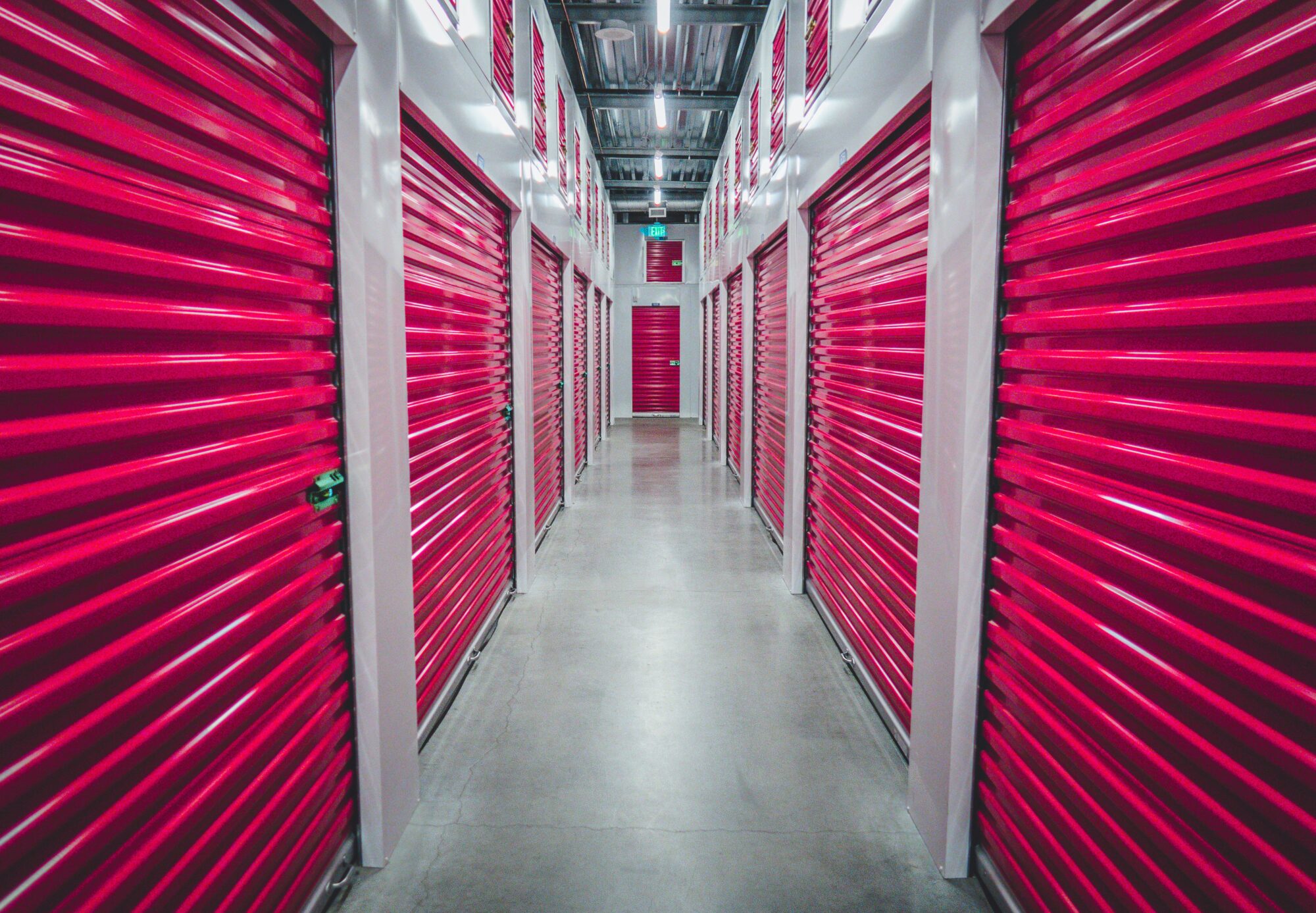
Clutter has a way of creeping into every corner of a home. What starts as a few misplaced items can quickly turn into crowded closets, packed countertops, and rooms that feel smaller than they are. Many homeowners assume they need more square footage to solve the problem, yet better storage strategies often make a bigger impact than an expensive renovation.
A clear plan makes all the difference. Each area of the home serves a purpose, and storage should support that purpose instead of competing with it. Practical upgrades and intentional layouts help reduce visual noise and restore a sense of order.
Entryway Storage Solutions That Set the Tone
Entryways tend to collect everything that comes in and out of the house. Shoes pile up near the door, bags land on chairs, and mail stacks on the nearest flat surface. Over time, this small area begins to feel chaotic.
A few strategic changes can prevent clutter from spreading beyond the front door. Wall-mounted hooks provide a designated spot for coats and backpacks, keeping them off the floor. Slim shoe cabinets or tiered racks organize footwear without blocking walkways.
Outdoor Storage Options That Expand Capacity
Indoor storage sometimes reaches its limit, especially in homes with limited closets or growing families. Holiday decorations, lawn equipment, and extra furniture can overwhelm garages and spare rooms. Offsite storage options provide an effective way to manage overflow without sacrificing living space.
Traditional self-storage facilities remain popular for homeowners who need temporary or long-term solutions. Climate-controlled units protect delicate belongings, while flexible rental terms make them practical for transitions such as moves or renovations.
Some homeowners look beyond standard units when seeking secure, weather-resistant options that can sit on their property. More of them are choosing to buy shipping container units for affordable storage and creative living spaces. These structures offer generous capacity and strong protection, making them suitable for tools, equipment, or seasonal inventory.
Kitchen Cabinet Organization That Maximizes Every Shelf
Kitchens often struggle with limited cabinet space, especially when cookware, small appliances, and pantry items compete for the same shelves. Disorganization in this area slows down daily tasks and creates frustration. Structured systems can transform even compact kitchens into efficient workspaces.
Pull-out organizers make deep cabinets easier to access. Stackable racks provide double vertical storage for plates and bowls. Clear containers help group dry goods while allowing quick visibility of contents. Drawer dividers prevent utensils from shifting and creating clutter.
Closet Layout Improvements That Create Breathing Room
Closets often appear full even when they contain unused space. Poor layout design contributes to cramped conditions and wrinkled clothing. Simple adjustments can significantly increase capacity and improve accessibility. Double hanging rods allow shorter garments to share vertical space more efficiently.
Lighting also plays a role in maintaining order. Clear visibility makes it easier to locate items and return them to the correct spot. A functional closet reduces morning stress and eliminates the need for additional storage furniture elsewhere in the bedroom.
Multi-Purpose Furniture Choices for Small Rooms
Limited square footage demands thoughtful furniture selection. Pieces that serve more than one purpose help control clutter without overcrowding a room. Strategic choices allow homeowners to maintain open layouts while increasing storage capacity.
Ottomans with hidden compartments provide space for blankets, books, or toys. Bed frames with built-in drawers replace bulky dressers and free up wall space. Lift-top coffee tables conceal remote controls, chargers, and paperwork while still functioning as everyday surfaces. Purpose-driven furniture encourages smarter organization habits.
Garage and Basement Zones That Stay Organized
Garages and basements often become overflow areas for everything that does not fit elsewhere. Tools, sports equipment, paint cans, and storage boxes end up scattered without a clear system. A defined layout can turn these large spaces into structured, functional zones.
Start with sorting items into categories such as home maintenance, outdoor gear, seasonal décor, and keepsakes. Clear grouping makes it easier to see how much space each category truly needs. Heavy-duty shelving keeps items elevated and protects them from moisture or accidental damage. Wall-mounted racks free up floor space and allow frequently used tools to stay within reach.
Wall Space Utilization That Reduces Surface Clutter
Unused wall space offers valuable storage potential in almost every room. Tables, countertops, and desks tend to collect loose items when vertical options are ignored. Shifting storage upward can instantly create a cleaner look.
Floating shelves provide room for books, framed photos, and decorative accents without overwhelming a space. Mounted cabinets in bathrooms or offices add enclosed storage while preserving floor area. Pegboards work well in craft rooms or workshops, keeping supplies visible and accessible. Balanced placement is key. Shelves should complement the room rather than crowd it. Even spacing and thoughtful arrangement maintain visual harmony.
Under-Bed and Hidden Storage That Works Harder
Large furniture pieces often conceal untapped storage potential. Beds, in particular, occupy significant space and can support practical organization solutions. Under-bed storage keeps lesser-used items accessible without adding new furniture to the room.
Rolling bins or shallow drawers slide easily beneath most bed frames. These containers hold off-season clothing, extra linens, or specialty items that do not require daily access. Storage trunks at the foot of the bed provide seating while concealing blankets or keepsakes. Built-in compartments within headboards or platform bases offer additional hidden capacity. Thoughtful use of concealed storage prevents rooms from feeling overcrowded.
Clutter rarely results from a lack of effort. More often, it stems from systems that no longer fit changing needs. Intentional storage improvements can restore order without overwhelming renovations or drastic lifestyle shifts. Each room presents opportunities to rethink layout, expand capacity, and use overlooked areas more effectively.
Organized spaces support smoother routines and reduce daily stress. Clear zones, smart furniture choices, and creative storage strategies work together to keep homes functional and inviting. A structured approach makes it possible to say goodbye to clutter and maintain a home that feels open, balanced, and easy to manage.
Leave a Reply
You must be logged in to post a comment.