
How to Expand Your Storage Space Without Expanding Your Home
You open a closet to put one thing away, and something else falls out, usually something you forgot you even owned. It is not always about having too much stuff. It is more about not having a place for it that actually works. Over time, things get pushed into corners, stacked in ways that only make sense in the moment, and then left there.
Most homes reach that point quietly. No major change happens, just a slow buildup. New items come in, old ones stay longer than expected, and the space that once felt enough starts to feel tight. Expanding the home is not always realistic, so the focus shifts. Not more space, but better use of what already exists.
Using External Storage
There comes a point where indoor adjustments stop making a real difference. Shelves get added, boxes get stacked, and still the space feels full. This is usually when people start looking outward, not to expand the house itself, but to extend its storage.
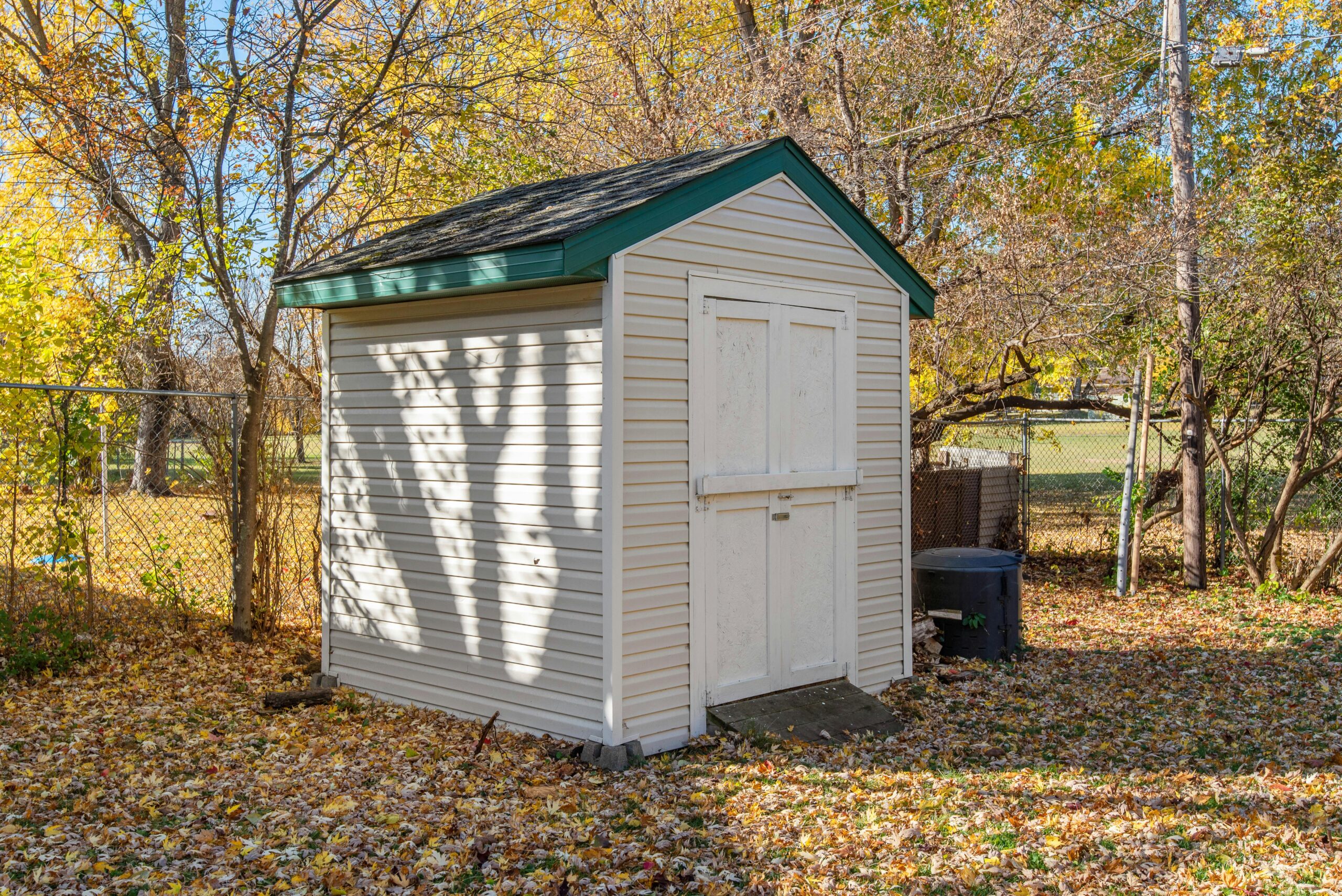
External storage works differently because it separates living space from holding space. Items that are not needed daily can be moved out without being discarded. Seasonal tools, extra furniture, or supplies that rotate in and out of use fit better in a space that is designed for storage, not for living. You can easily find shipping containers for sale in various sizes that you can use for your storage needs.
This shift changes how the home feels. Rooms open up, movement becomes easier, and the mental load of clutter reduces a bit. It is not about removing everything, just moving the right things to a place where they do not interfere with daily use.
Rethinking What Needs to Stay Inside
Before adding new storage, it helps to step back and look at what actually needs to stay indoors. Not everything belongs inside the house, even if that is where it ended up over time. Some items stay out of habit rather than necessity.
Things that are used weekly or daily should stay close. That part is obvious. But items used once a month or a few times a year often take up more space than they should. These are usually the items that create pressure on closets, shelves, and spare rooms. There is a small shift that happens when these items are moved out. Indoor storage becomes more focused, less crowded. It does not solve everything, but it reduces the constant need to rearrange or make room for basic movement.
Making Existing Space Work Harder
Even without adding external storage, most homes have areas that are not used fully. Corners, vertical space, and even under furniture often go overlooked. These spaces are not large, but they add up when used consistently.
Vertical storage, for example, changes how much a room can hold without making it feel cramped. Shelves placed higher on walls can store items that are not needed every day. It is a simple adjustment, but it shifts how space is used.
Underutilized areas like entryways or the backs of doors can also carry small storage functions. Hooks, narrow shelves, or compact cabinets do not take up much room, but they help reduce clutter in main areas. These changes are not dramatic, but they create a more stable setup over time.
The Balance Between Access and Storage
One common mistake is trying to keep everything easily accessible. It sounds practical, but it often leads to overcrowding. Not every item needs to be within reach at all times. Some can be stored with the understanding that they will take a bit more effort to access.
This is where layered storage comes in. Frequently used items stay in open or easy-to-reach spaces, while less-used items move to deeper or less visible areas. It creates a system that matches how things are actually used, not just how they are stored. There is a slight adjustment period when this is first set up. It may feel less convenient at first, but over time, it reduces clutter and makes daily tasks smoother. The key is consistency, not perfection.
How Storage Affects Daily Living
Storage is often treated as a background concern, something that supports daily life without being noticed. But when it does not work well, it affects everything. Movement through the house becomes slower, tasks take longer, and even simple routines feel heavier.
On the other hand, when storage is handled properly, it creates a sense of ease. Items are where they should be, spaces feel open, and there is less need to adjust things constantly. It is not about having less, but about having things placed in a way that makes sense.
There is also a mental aspect to it. Clutter tends to build pressure, even if it is not always obvious. Clearing that pressure, even slightly, changes how the space feels. It becomes easier to focus, to relax, and to use the home as it was intended.
Letting Storage Evolve Over Time
Storage should not be treated as a one-time project. It needs to adjust as life changes. New items come in, old ones leave, and needs shift. A system that can adapt is more useful than one that tries to stay fixed. This might mean revisiting storage areas every few months, making small changes, or moving items between spaces as needed. It does not have to be a full reorganization each time. Even minor adjustments can keep things from building up again.
There is also value in noticing patterns. If certain items keep ending up in the wrong place, it usually means the system does not match how they are used. Adjusting the system, rather than forcing the habit, tends to work better.
When Space Starts to Feel Enough Again
At some point, the home begins to feel more manageable. Not because it grew larger, but because it started working differently. Items have clearer places, movement feels easier, and there is less need to constantly shift things around. This does not mean everything is perfectly organized. There will still be moments of clutter, and that is normal. What changes is how quickly things can be brought back into order.
Expanding storage without expanding the home is less about adding space and more about changing how space is used. It is a gradual process, sometimes uneven, but it leads to a setup that feels more stable, even as things continue to change.
Top of Form
Bottom of Form
Leave a Reply
You must be logged in to post a comment.