
How to Decide Between Short-Term and Long-Term Storage Solutions
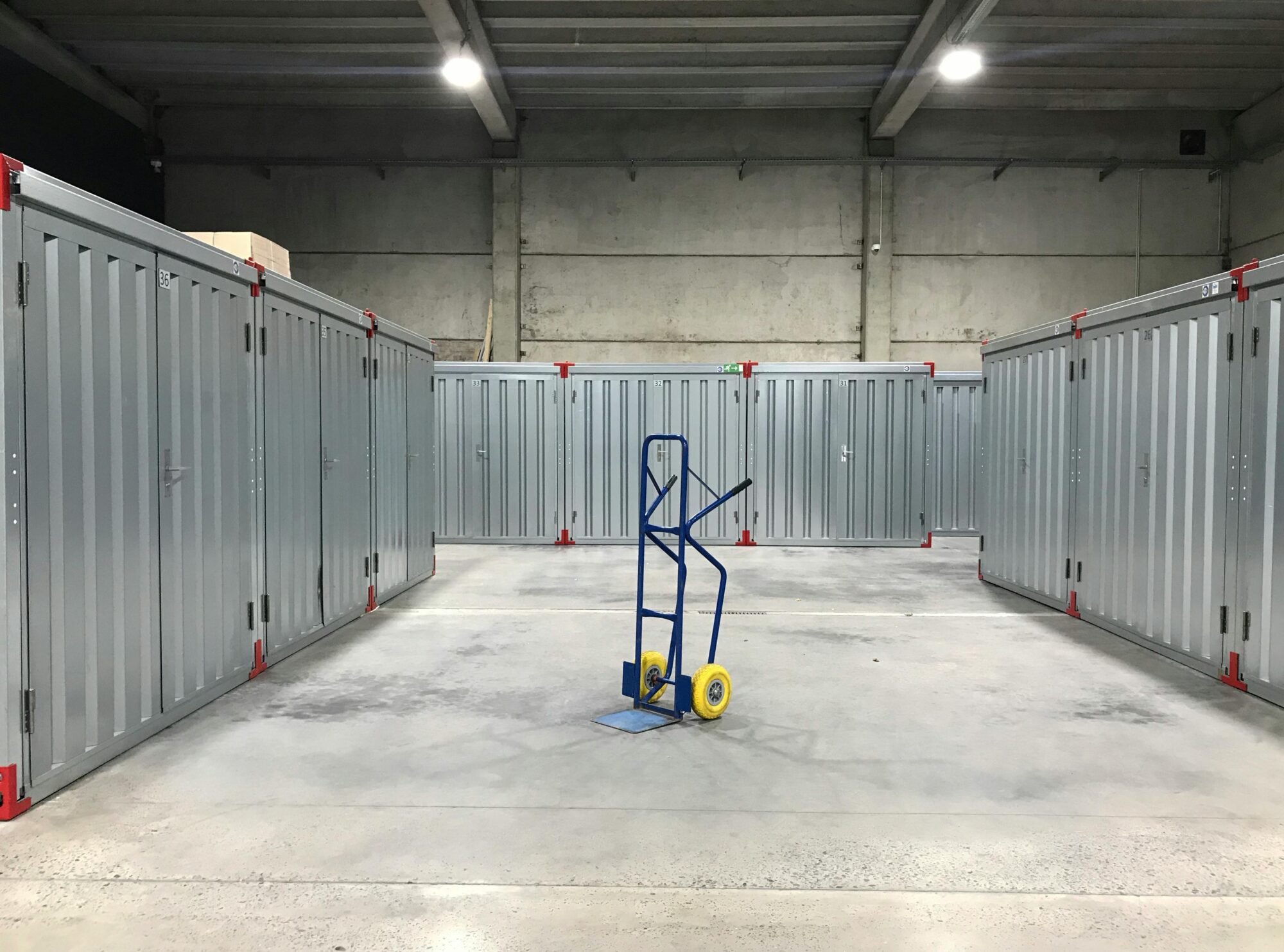
You tell yourself it is temporary, just a few boxes in the corner, and then six months later, you are still stepping around them. Space has a way of shrinking when life gets busy. People wait until storage becomes urgent, then make a fast decision. Sometimes that works. Often it costs more than it should.
Storage is not complicated, but it does require honesty about your timeline. Are you clearing space for a short renovation? Are you holding equipment between projects? Are you expanding inventory because sales picked up? The answer changes everything. Short-term and long-term storage solve different problems, even if they look similar at first glance.
When It Makes Sense to Own
There are situations where renting stops making financial sense. If you are paying month after month with no clear end date, those fees add up quietly. At some point, ownership becomes worth considering. This often happens with growing businesses, farms, construction crews, or even homeowners who need steady extra space. Owning a container gives you control. You decide where it sits. You decide how long it stays. There is no renewal date hanging over your head.
For those comparing options, some choose to buy shipping container units, and others opt to rent, based on whatever their needs are. Looking at purchase prices side by side with rental fees can clarify things quickly. If storage will be needed for years rather than months, ownership often feels more like a practical decision.
Understanding Short-Term Storage
Short-term storage usually covers weeks or a few months. It is common during home moves, remodeling projects, or seasonal business spikes. Renting works well here because it keeps commitment low. Once the need passes, the container or unit can be returned.
This flexibility is the main advantage. You are not responsible for long-term maintenance. If your situation changes, you adjust. For example, a retailer may need overflow storage during holiday months. A contractor may need space while finishing a single project. In these cases, renting avoids tying up capital. There is also less upfront cost. Rental agreements often require a deposit and a monthly fee, but the total initial expense is manageable. For temporary needs, that matters.
When Long-Term Storage Becomes the Smarter Choice
Long-term storage often starts as short-term. Someone thinks they will need space for three months, and then the project expands. Or the extra inventory becomes permanent. Over time, ongoing rental fees can exceed the purchase price of a container.
Ownership spreads the cost differently. There is a larger upfront payment, but after that, expenses are limited to delivery, setup, and occasional maintenance. For businesses with predictable demands, this structure feels steadier.
There is also psychological relief in ownership. You are not calculating monthly charges. You are not watching renewal dates. The container becomes part of your setup, like any other piece of equipment. Still, it only works if the need is stable. Buying for a problem that disappears within a few months can feel like overkill.
Evaluating Your Timeline Honestly
One common mistake is optimism about how quickly things will wrap up. Renovations run long. Inventory stays longer than expected. Business growth rarely moves in neat, three-month segments. It helps to ask blunt questions. Will this storage need still exist next year? If sales slow down, will the container still serve a purpose? If you move locations, can it move with you?
Short-term solutions work best when there is a clear endpoint. Long-term solutions work best when storage is woven into daily operations. This sounds obvious, yet people avoid asking these questions because they are uncomfortable. Storage feels like a small detail compared to other business or life decisions. Over time, it becomes a line item that keeps appearing on the budget.
Cost Beyond the Monthly Fee
The price comparison between renting and owning is not just monthly versus purchase cost. There are other factors. Delivery charges. Site preparation. Insurance. Maintenance.
Rental agreements may include maintenance support. If a door sticks or a lock fails, the provider handles it. With ownership, those responsibilities fall to you. For many buyers, this is manageable. Steel containers are durable and require limited upkeep. Still, it should be considered.
Space usage also matters. If a container will sit on your property long-term, check local regulations. Some areas have zoning rules about temporary structures. Others treat containers as permanent fixtures once placed for extended periods. These details are not dramatic, but they shape the total cost over time.
Changing Consumer and Business Habits
Storage needs have shifted in recent years. More people run businesses from home. E-commerce has expanded. Remote work has blurred the line between living space and workspace. Equipment, packaging supplies, and seasonal stock need somewhere to go.
At the same time, people are downsizing living spaces or relocating more often. Temporary storage becomes part of the transition periods. These shifts make flexibility valuable. A short-term rental might suit someone testing a new business idea. If the idea grows, moving into long-term ownership becomes logical. The path does not have to be fixed from the start.
Practical Questions to Guide the Decision
Rather than focusing only on cost, it helps to think about use patterns. Will the container be accessed daily or occasionally? Is security a primary concern? Does the location require mobility? If frequent access is needed, having a container on-site that you own can simplify operations. If storage is off-site and rarely visited, a rental unit in a managed facility might be easier.
Cash flow also matters. Some businesses prefer preserving capital and paying monthly fees. Others prefer a one-time investment to reduce recurring expenses. There is no universal answer. The right choice fits your cash position and growth plans.
Space as a Long-Term Strategy
Storage is rarely just about extra room. It reflects how organized a home or business feels. When tools, inventory, or personal items have a clear place, daily operations run more smoothly. Short-term storage supports transitions. Long-term storage supports the structure. Knowing which stage you are in helps avoid paying twice for the same solution.
It is easy to treat storage as an afterthought. Yet the choice between renting and owning affects budgets, workflows, and even stress levels. A container that fits your timeline can quietly remove friction from daily life.
If the need is temporary and defined, renting keeps things simple. If storage has become part of your regular routine, ownership may offer stability and cost control over time. The decision is less about the container itself and more about how long you expect it to serve you.
Leave a Reply
You must be logged in to post a comment.