
From Stress to Serenity: How to Create a Home You Can’t Wait to Return To
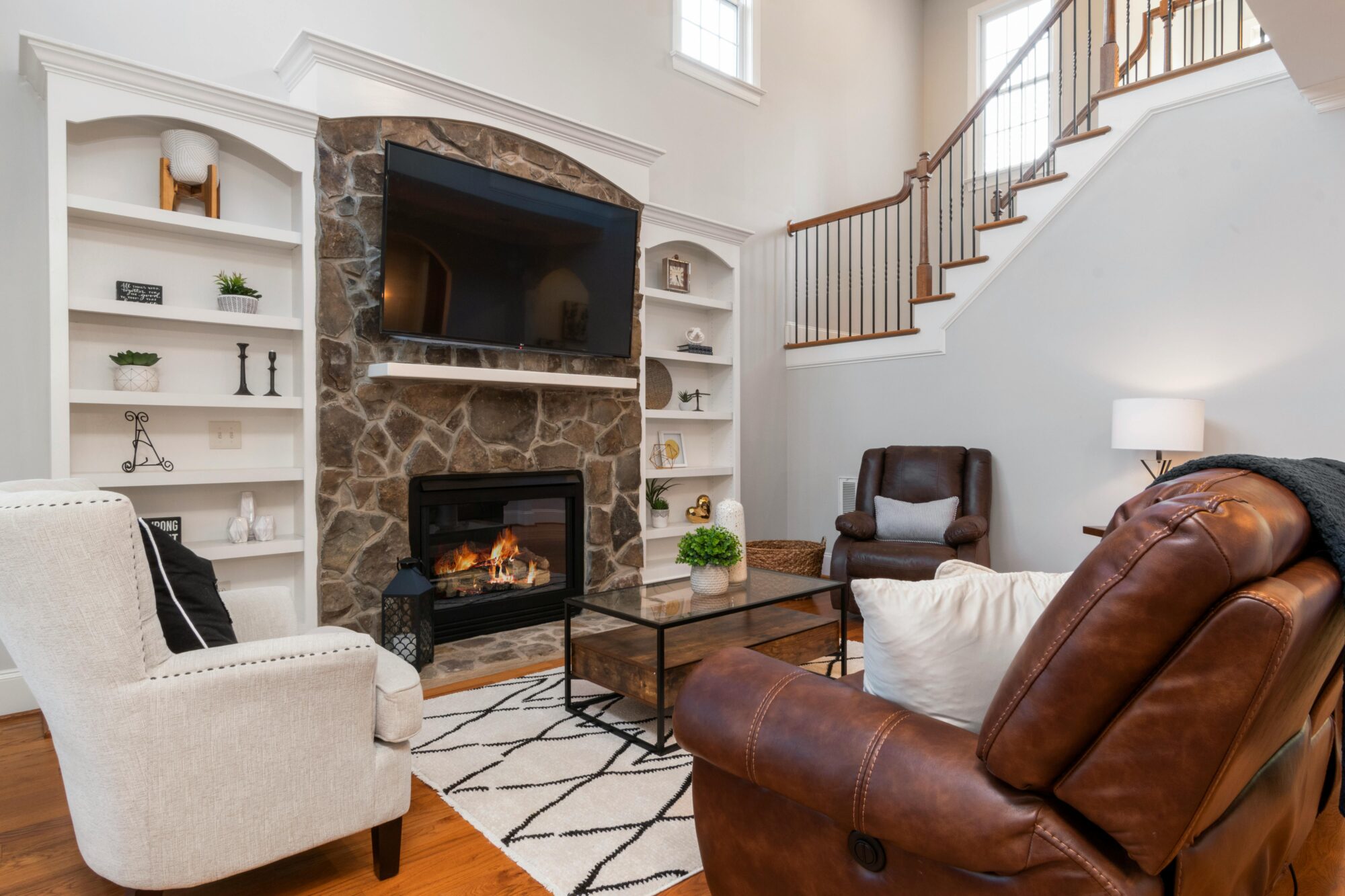
Home should feel like a sigh of relief. You shut the door, drop your bag, and instantly feel lighter. But let’s be honest, that’s not always the case. Sometimes the place feels stuffy, noisy, messy, or just a bit, you know, off. When that happens, all that stress doesn’t switch off just because you’re indoors.
So, here’s the breaking news – you don’t need a case full of dollar bills or a full renovation to fix that. Keep it smart – keep it small. Those little changes go a long way, and we’re here to tell you what they are.
Let’s begin.
Work Out What “Relaxing” Looks Like for You
First things first, forget what everyone else says your home should feel like. Figure out what actually helps you relax? Some people need quiet, clear spaces with hardly anything going on. Others feel more at ease surrounded by warm colors, familiar objects, and soft textures. There’s no universal answer here. Take a proper look at your space and how you use it. When do you feel most relaxed at home? What rooms stress you out, and why? Once you’re quite clear there, it’s pretty easy to know what you want to change. You’re not decorating for show — you’re setting things up for real life.
The HVAC System: Quietly Doing the Heavy Lifting
Comfort starts with the basics, and temperature is a big one. Is your home too cold in winter? Does it feel toasty in summer (when it shouldn’t)? Even if the air inside just feels off, how can you relax?
That’s where a well-maintained HVAC system becomes a hero. When it’s working properly, you don’t really pay much heed to it, do you? But that’s exactly the point. You shouldn’t have to.
Regular inspections and professional maintenance keep everything running smoothly. Want to know the long-term benefits of HVAC diagnostics? Better airflow, fewer surprise repairs, and a home that’s comfy all year, minus the stress. It’s not flashy, but oh, it makes such a big difference!
Get Rid of the Stuff That’s Low-Key Stressing You Out
Clutter doesn’t just take up space; it takes up headspace, too. Think you’ve learned to ignore it? Well, your brain probably hasn’t. Piles of papers, overstuffed cupboards, random things with no proper home — they all create background noise.
Now, you don’t need to go extreme and throw everything out. Baby steps. Clear one surface. Sort one drawer. Keep what you use, ditch what you don’t, and organize the rest. Picture it –your space feels lighter already, doesn’t it? At least in your head for now.
Fix the Lighting – the Mood Will Follow
Ahh, yes, the lighting – so simple yet so powerful. Can change the mood and room in an instant. So, what’s the issue here? You need to use the right type for the right task. Now, those really harsh overhead lights work fine for doing your chores or office work, but do they help you relax? We don’t think so. Solution? Layer them all up.
A couple of lamps, softer bulbs, and warm tones – all make a space feel calmer without much effort. Get the lighting right, and no one’s going to be grumpy.
Choose Colors That Don’t Shout at You
Color and mood – they’ve got a bond you can’t break. Loud, busy colors can keep your brain buzzing, even when you’re trying to relax. Softer shades do the opposite. Neutrals, warm greys, gentle blues, and muted greens – they all usually help calm things down.
Don’t start repainting everything. Use textiles. Cushion, throws, rugs – they’ll do most of the work. But, try not to create a rainbow – make sure colors don’t compete with each other if you want a home that feels more settled and less chaotic.
Make Comfort a Daily Thing, Not a “Nice to Have”
Comfort isn’t something you save for guests. It’s for you, every single day. That sofa you never really sink into, the chair that looks good but hurts your back, and the bedding that’s just okay. Why are they all there? It’s your home, isn’t it? What’s stuff doing there that doesn’t help you relax?
Time to swap things out. Choose seating you actually want to sit on, blankets you reach for, pillows that support you properly. When your body feels comfortable, your mind usually follows. You shouldn’t have to “make do” in your own space.
Set Rooms Up for How You Actually Live
Does your current layout give you stress? Things aren’t where you need them, rooms don’t match your routine, and daily tasks feel harder than they should. Sounds like your home?
Take a step back and look at how you move through your space. Do you always dump your bag in the same spot? Do you avoid certain rooms because they don’t work for you?
It’s time to move all the furniture around, add storage (where you actually need it), and rethink those rooms you dread using. A home that flows with you feels calmer without trying.
Soften the Noise Around You
Noise has a way of keeping your brain on edge, even when you don’t realize it. Echoey rooms, outside traffic, or sounds carrying between spaces can mess with your sense of calm. Soft furnishings help more than you’d think. Rugs, curtains, cushions, and even fabric wall hangings can absorb sound and make rooms feel quieter. You don’t need total silence — just less harsh noise bouncing around.
Keep Things Feeling Calm Over Time
Creating a peaceful home isn’t a one-off job. Things shift, wear down, and need attention. Small check-ins help keep stress from creeping back in. Tidy as you go and deal with little fixes before they become annoying. Oh, and scheduling regular maintenance? It’s a must! Unless you want problems to catch you off guard. When your home feels looked after, it feels reliable. And, what could give you more peace of mind?
At some point, a home stops being about how it looks and starts being about how it supports you. When the space works, breathes, and adapts to your life, you feel it straight away. You move more slowly. You rest better. You don’t rush to leave or dread coming back. That’s the kind of calm that doesn’t need effort once it’s in place. And once you’ve felt it, you won’t want to live without it.
Leave a Reply
You must be logged in to post a comment.