
Simple Ways to Create a Healthier Home Environment
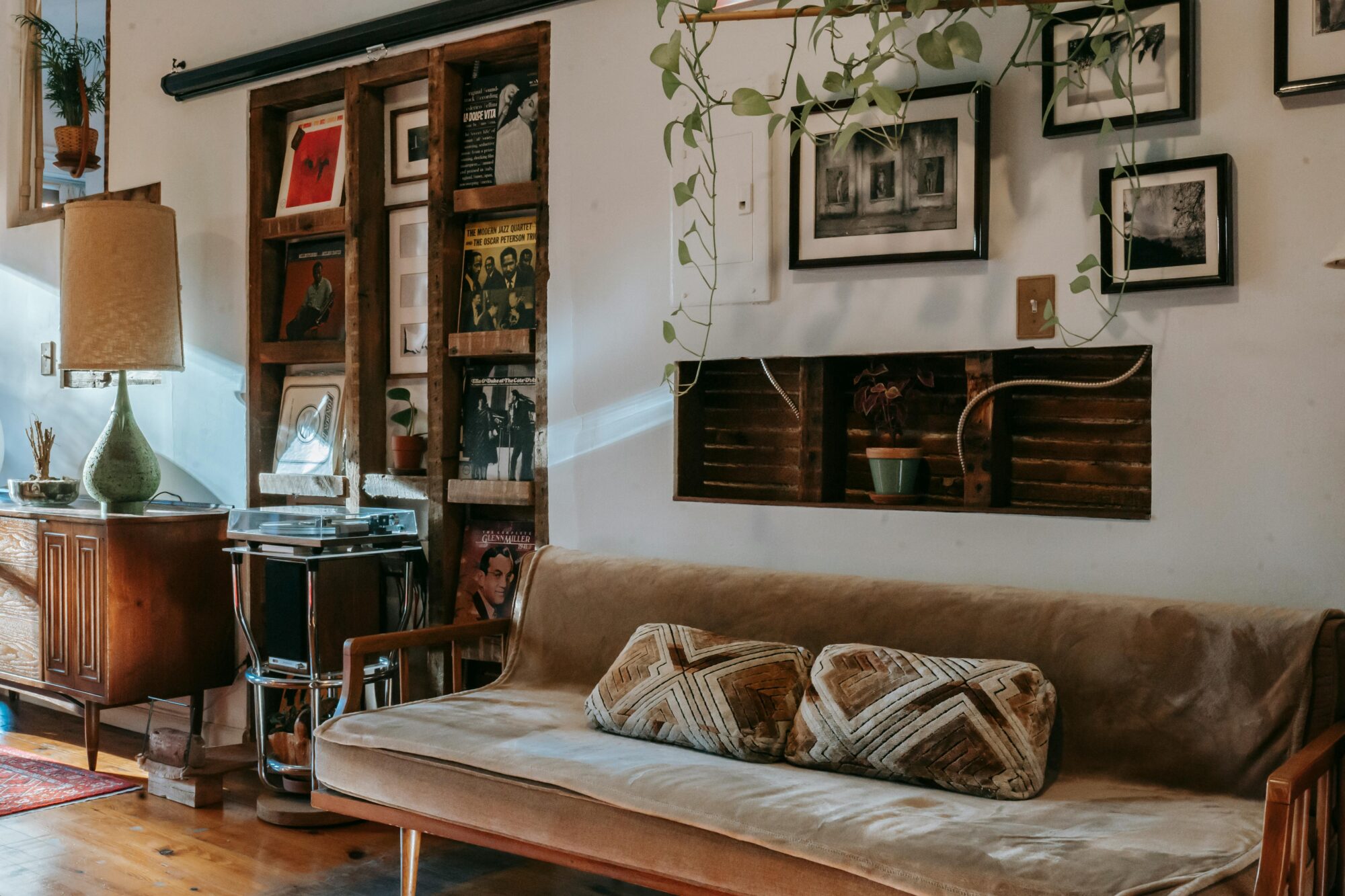
What’s the air like in your home right now? Not just the temperature, but the vibe—the feeling when you walk through the door after a long day. For many people, home used to be a place to crash after work. Now it’s the office, gym, daycare, movie theater, and occasionally, a sanctuary. With this shift, the way we treat our home environment matters more than ever. A healthier home isn’t just cleaner—it helps you think better, sleep better, and even feel more in control.
Start with the Air You Breathe
Indoor air quality isn’t just a topic for allergy season. According to the EPA, indoor air is way more polluted than the air outside our homes. That’s a grim fact, especially when you consider how much time we spend inside. Between wildfire smoke drifting into suburban homes and the rise of open-concept everything, many people are unknowingly breathing in a mix of dust, chemical residues, and mold spores.
Keeping air filters clean, using HEPA purifiers in high-traffic areas, and cracking open windows on mild days can make a real difference. If your home still has that stale smell by noon, it’s time for better ventilation and fewer scented candles—because many of those are basically tiny air polluters dressed in wax.
Keep Appliances from Turning on You
Appliances don’t last forever, and they’re not all as harmless as they look. An aging refrigerator might hum like it’s working hard, but in reality, it could be leaking energy (and money). And don’t get us started on air conditioners—many work overtime because they haven’t been properly cleaned in years.
Regular maintenance doesn’t just save money, it also makes your environment safer and more comfortable. This is where AC tune-up must do’s become essential. Having your system inspected, coils cleaned, filters changed, and refrigerant levels checked can improve airflow, reduce allergens, and prevent that weird burnt smell your unit gives off in July. If your AC sounds like it’s auditioning for a horror film, take that as your cue to stop procrastinating.
Declutter Like You Mean It
Clutter isn’t just a visual nuisance—it’s linked to increased cortisol levels. And when your brain is already juggling a thousand tabs open at once, one more pile of “I’ll deal with it later” can tip the scale toward stress. But decluttering doesn’t need to be some Marie Kondo cosplay.
Start by targeting hotspots—kitchen counters, coffee tables, and that cursed chair where clothes go to die. Remove what you don’t use, store what you do, and keep only what brings actual function to your space. A cleaner space isn’t just about tidiness. It makes decision-making easier and brings a strange but welcome sense of calm. Yes, even if your kids undo it all within the hour.
Be Pickier About What You Bring In
Post-pandemic, there’s been a huge shift in how people shop. More folks are choosing products that are sustainable, toxin-free, or multi-functional. This is a good thing. Many common household items—like plastic containers, non-stick pans, and conventional cleaning products—release chemicals over time. These might seem minor, but the cumulative effect adds up.
Start checking labels, especially on cleaning sprays, laundry detergent, and air fresheners. Look for fragrance-free or naturally derived options. Bonus points for brands that offer refill systems. This isn’t about turning your home into a science lab—it’s about being a little more curious about what ends up in your lungs, food, and water.
Let Light Do Its Job
Natural light isn’t just for Instagram aesthetics. It helps regulate your circadian rhythm, improves mood, and even boosts productivity. Yet many homes still suffer from what could only be described as “seasonal depression in July”—thanks to heavy curtains, odd layouts, or poor lighting choices.
If your home feels like a cave, try switching to daylight-mimicking LED bulbs or rearranging furniture to let in more sun. Clean your windows (yes, the outside too), and consider using light-filtering curtains that let brightness in while still offering privacy. Your plants will thank you. So will your brain.
Create Spaces with a Job to Do
Multifunctional rooms became a necessity during lockdown, but the open-plan free-for-all can cause chaos if boundaries aren’t clear. A healthier home is one where your brain knows what to expect in each room. This doesn’t mean every area has to be labeled or color-coded. But it does mean the kitchen shouldn’t double as an office, gym, and kids’ play area all at once—unless you enjoy eating while stepping over yoga mats and Legos.
Use rugs, shelves, and lighting to signal different zones. Create visual and functional separation, even within one room. You don’t need more space; you just need smarter divisions. Your stress levels will thank you.
Unplug When You’re Not Using It
We’ve reached a point where “unplugging” is both literal and metaphorical. While digital detoxes are the trendy way to reclaim mental peace, there’s also the old-school benefit of unplugging electronics when they’re not in use. Vampire energy—the power appliances suck even when turned off—isn’t just a fun term. It costs the average U.S. household around $100 a year.
Unplugging also helps reset your tech boundaries. When screens don’t blink at you from every room, it’s easier to be present. And no, turning your phone face down doesn’t count as mindfulness. Try making one room in your home screen-free. Let it be the place where your eyes relax, your neck un-cranes, and your thoughts get a bit more room to stretch.
A healthier home environment isn’t about becoming a minimalist guru or transforming your space into a wellness retreat. It’s about recognizing that your home is an ecosystem—one that reacts to what you bring into it, how you maintain it, and the choices you make every day. With a few smart updates, you can make that ecosystem work for you instead of against you. And when your space supports your health, everything else tends to feel a bit easier. Even Mondays.
Leave a Reply
You must be logged in to post a comment.