
How to Take Care of Yourself When Life Gets Busy
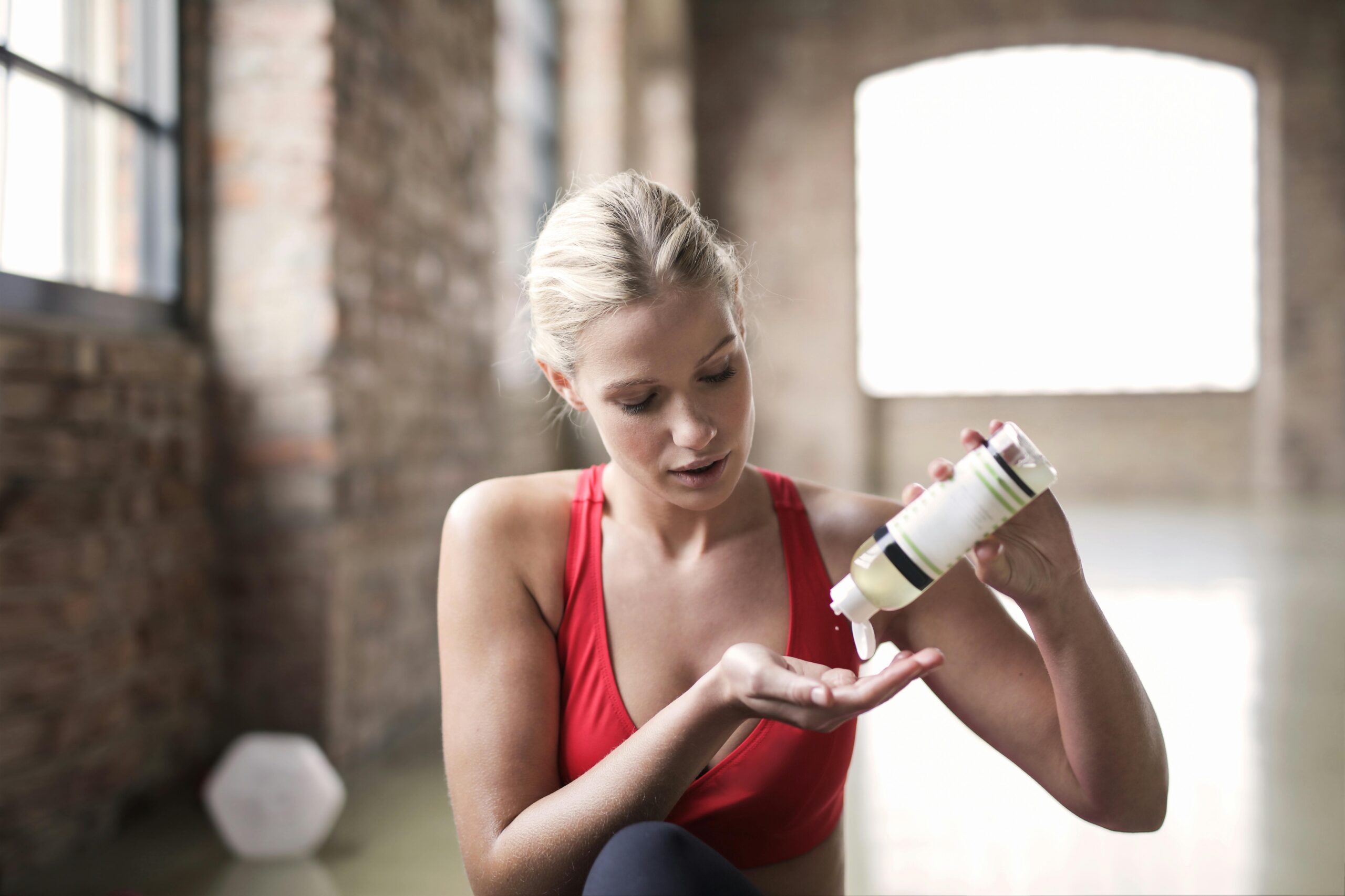
Ever feel like your to-do list is winning and you’re just a contestant trying not to get eliminated? Between work, family, the news cycle, and the emails that multiply like rabbits, it’s easy to shove self-care to the bottom of the pile. In this blog, we will share practical ways to take care of yourself when life feels like it’s running on fast-forward.
Self-Care Isn’t a Luxury, It’s a Survival Tool
When stress piles up and schedules overflow, the first thing to go is often the very thing that keeps you sane—your own well-being. The modern hustle praises long hours, back-to-back meetings, and productivity hacks, but forgets that burnout isn’t a badge of honor. It’s a warning sign.
In a world where “busy” has become the default, taking care of yourself isn’t about bubble baths and herbal tea—it’s about staying functional. It’s the difference between barely scraping by and feeling like you can breathe, even when everything around you speeds up.
People are starting to catch on. Post-pandemic shifts in work culture, like remote flexibility and mental health days, aren’t just trends—they’re responses to long-ignored needs. Taking a walk, stepping away from screens, eating food that didn’t come from a vending machine—these are now acts of resistance. Not because they’re dramatic, but because they’re essential.
And for some, self-care involves deeper decisions—like pursuing physical changes to match internal goals. Clinics like Temmen Plastic Surgery understand that how you feel about yourself isn’t surface-level. It’s connected to confidence, identity, and the energy you carry into your daily life. When professionals approach care with precision, empathy, and skill, it empowers people to reclaim space in their own lives. Everyone’s version of self-care looks different. What matters is choosing yours without apology.
Routines Work When They’re Yours
Generic morning routines don’t work for everyone. Some people rise at 5 a.m. and jog through the sunrise. Others need a second alarm and two coffees just to sit upright. The trick is designing a structure that matches your real life, not your aspirational Pinterest board.
Start small. Pick one habit that helps—stretching for five minutes, drinking water before checking your phone, standing outside before emails take over. Momentum builds slowly. Real self-care fits in your schedule without making everything else harder. If your routine feels like another job, it’s going to fail.
Even small anchors like consistent sleep and meals go a long way. Your brain doesn’t run well on chaos, no matter how good you are at multitasking. Being busy doesn’t change the body’s needs. It just hides them under adrenaline.
Eat Like You Actually Matter
Busy days often end with rushed meals or whatever’s closest to your desk. But your body isn’t a machine that runs on caffeine and snacks. It’s more like a car that keeps breaking down when you skip the oil changes.
Think of food as fuel, not filler. That doesn’t mean perfection. It means enough protein to carry you through the day, enough greens to keep your gut happy, and enough carbs to think straight.
Planning meals when you’re busy sounds unrealistic, but it doesn’t have to be elaborate. Keep things you can grab in five minutes that don’t leave you crashing in thirty. Hard-boiled eggs. A bag of nuts. Hummus and carrots. Even decent frozen meals are better than skipping altogether.
When you eat well, everything else feels less overwhelming. Your mind clears. Your patience grows. The small things don’t tip you over the edge.
Boundaries Aren’t Barriers—They’re Safety Nets
Saying no feels risky when you’re trying to hold everything together. But the cost of saying yes to everything is often saying no to your own stability.
Busy people tend to stretch themselves too thin because they think everything depends on them. But nobody wins when you’re depleted. Your work gets sloppy. Your family sees the exhaustion. You start resenting the things you once cared about.
Protect your time like it matters, because it does. Block off windows for rest, movement, or even doing absolutely nothing. Let people know when you’re unavailable. You don’t have to defend your boundaries. You just have to hold them.
When you do, something surprising happens—people adjust. They respect you more. And you remember that your time belongs to you, not your inbox.
The truth is, life rarely slows down on its own. If anything, the pace keeps picking up. But when you start treating self-care as maintenance, not indulgence, you stop waiting for things to calm down before you take a breath.
You begin to find calm in motion, steadiness in the mess, and strength you forgot you had. And on the days when everything still feels too much, you’ll at least know how to start pulling yourself back from the edge.
That’s not self-care as a slogan. That’s self-care as strategy. And right now, it’s one of the smartest moves you can make.
Leave a Reply
You must be logged in to post a comment.