
How to Create More Space in a Small Home
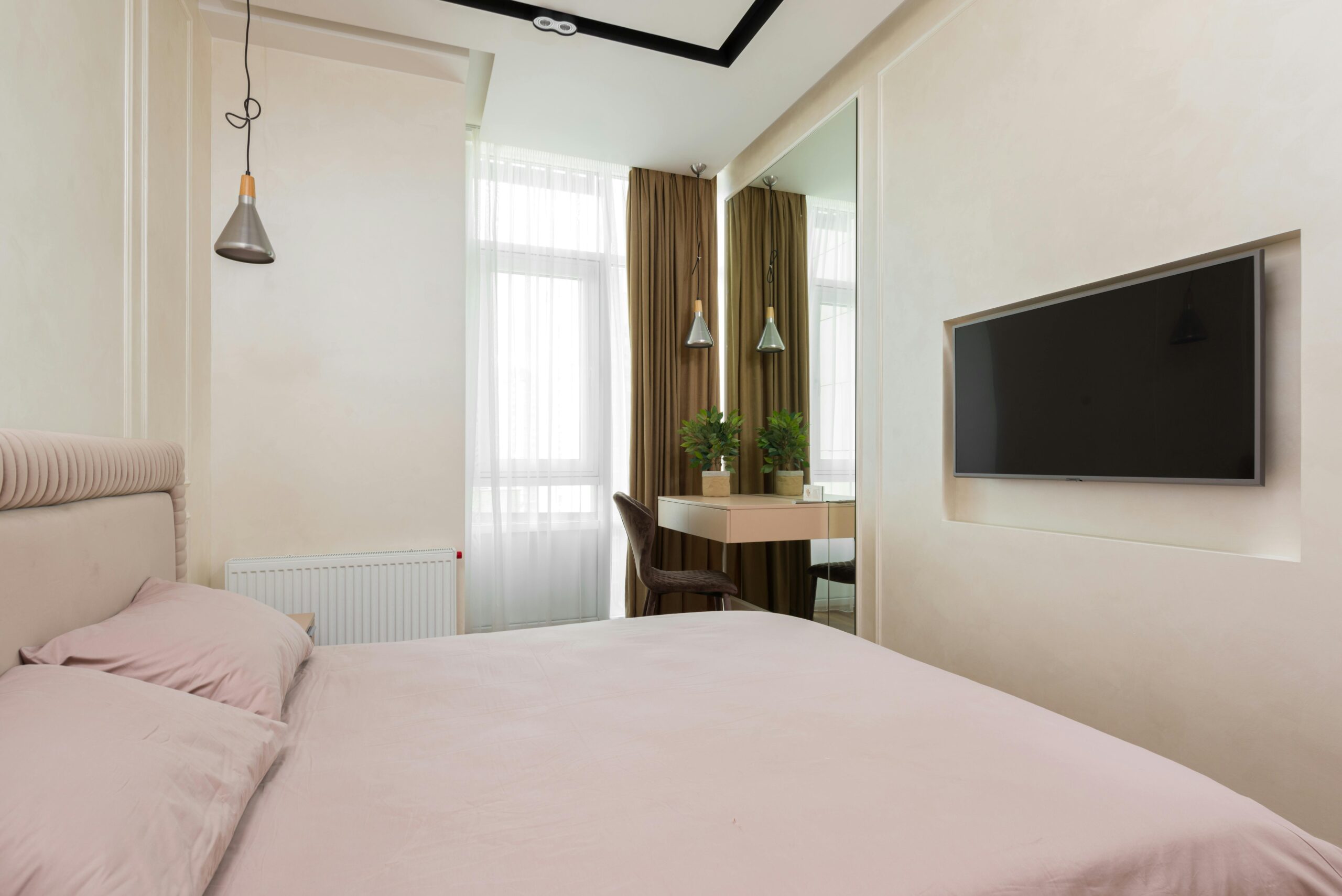
Many people today choose smaller homes or apartments for reasons like location, affordability, and simplicity, but limited square footage can still feel overwhelming if the space isn’t used wisely. Often, it’s not the size of the home that creates discomfort but the buildup of belongings and a lack of organization.
You might be surprised by how much space you can create by reassessing your layout, removing unused items, and using storage solutions that match your lifestyle. Creating more room isn’t always about getting rid of things; sometimes it’s about finding smarter places for them—especially if they aren’t used daily. In areas like Council Bluffs, where many households manage compact living spaces, thoughtful planning can make even the smallest homes feel open and functional.
As you explore ways to free up space, a key first step is deciding what truly needs to stay inside your home and what could be stored elsewhere. Practical storage options become especially helpful when you want to keep belongings without overcrowding your living areas. This idea sets the foundation for the first strategy in creating a more spacious home.
Start by Rethinking What Belongs Inside Your Home
Creating more space begins with taking a closer look at what you keep inside your home. Many of us hold on to seasonal décor, old furniture, extra clothing, sentimental items, or hobby supplies that take up valuable space. While these items may be meaningful or useful at certain times, they don’t need to stay in your everyday living areas.
If you’re living in a small home and feeling like you’re running out of room, one of the simplest solutions is storing items you don’t need year-round in an off-site unit. If you’re looking for a place to keep belongings you don’t want to part with but don’t use often, exploring solutions like Council Bluffs storage units can help you clear out space without giving up the things that matter to you. Using a storage unit lets you free up closets, open up corners, and make your home feel lighter and more manageable.
By moving seasonal items, sports gear, bulky keepsakes, or extra furniture out of your living space, you make room for the things you use every day. This shift creates the foundation for a more spacious home and makes organizing much easier moving forward.
Maximize Vertical Space to Open Up the Room
Once you’ve created space by removing items that don’t need to be inside your home, the next step is making the most of the space you do have. One of the most effective ways to do this is by using more vertical storage. Walls, high shelves, and unused corners offer plenty of potential when used creatively.
Tall bookcases, floating shelves, and wall-mounted hooks can give you storage without taking up floor space. Over-the-door organizers work well for shoes, cleaning supplies, or pantry items. Even adding a few shelves above eye level can instantly make a room feel more open by shifting clutter off flat surfaces. Vertical storage draws attention upward, creating a sense of height and openness while still keeping essentials within easy reach.
When every inch counts, thinking vertically can give you the storage you need without restricting movement in your home.
Use Multi-Functional Furniture for Smart Living
Furniture plays a big role in how spacious your home feels. In a small space, choosing pieces that serve multiple purposes can dramatically increase functionality. Beds with built-in drawers, ottomans that open for storage, benches with compartments, and nesting tables all help you stay organized while saving floor space.
For example, a coffee table with hidden storage can hold blankets, books, or remote controls. A dining table that folds down or expands gives you flexibility depending on the moment. When your furniture supports storage, you reduce clutter and make your home feel more intentional.
The key is selecting pieces that fit your lifestyle and your space. When your furniture does more, you don’t need as many items, which instantly makes your home feel larger.
Create Designated Zones for Better Flow and Function
Small homes often feel cluttered because everything blends. Creating designated zones, such as a reading corner, workspace, relaxing area, or dining nook, helps your home feel more organized. Even if your home doesn’t have separate rooms, strategic placement of rugs, lighting, or furniture can create the sense of different areas.
Clear zones help you give each item a dedicated “home,” reducing clutter and making your space easier to navigate. Without defined areas, belongings tend to migrate and pile up. But when everything has a place, your home feels more open and orderly.
It doesn’t take much to define zones: a bookshelf, a lamp, or even a small rug can visually separate one area from another. This approach helps you use your space more efficiently without feeling cramped.
Decluttering With Purpose: What to Keep and What to Let Go
Decluttering doesn’t mean throwing away everything you own. It means being thoughtful about which items truly need to be in your home. Ask yourself whether something is useful, meaningful, or used often enough to deserve the space it occupies. Many people find that once they start sorting through their belongings, they discover items they forgot they even had.
Start small. Pick a single drawer, cabinet, or closet before moving to larger spaces. This prevents overwhelm and helps you make steady progress. As you go, separate items into things to keep, things to donate, and things to discard.
Purposeful decluttering opens up space quickly and gives you a fresh perspective on what you want your home to look and feel like.
Optimize Hidden Spaces You Forget About
Even in the smallest homes, there are often hidden spaces you can use more efficiently. Under the bed, above the cabinets, behind doors, and inside deep closets are all areas with potential. Storage bins, baskets, dividers, and organizers can help turn these overlooked spots into practical storage.
For example, under-bed storage is perfect for out-of-season clothing or spare bedding. The top shelf of a closet can hold rarely used items. A rack behind a door can store cleaning supplies or accessories. When you combine these small storage solutions, they add up to a surprising amount of extra space.
The goal is to see your home with fresh eyes and identify every spot that could work a little harder for you.
Living comfortably in a small home is completely achievable when you approach it with intention. By rethinking what stays in your home, using creative storage solutions, choosing functional furniture, and adopting habits that support organization, you can transform even the most compact space into a welcoming and open environment.
With the right mindset and a few practical changes, your home can feel larger, calmer, and more enjoyable, no matter its size.
Leave a Reply
You must be logged in to post a comment.