
Creating Meaningful Memory Books for Grandparents
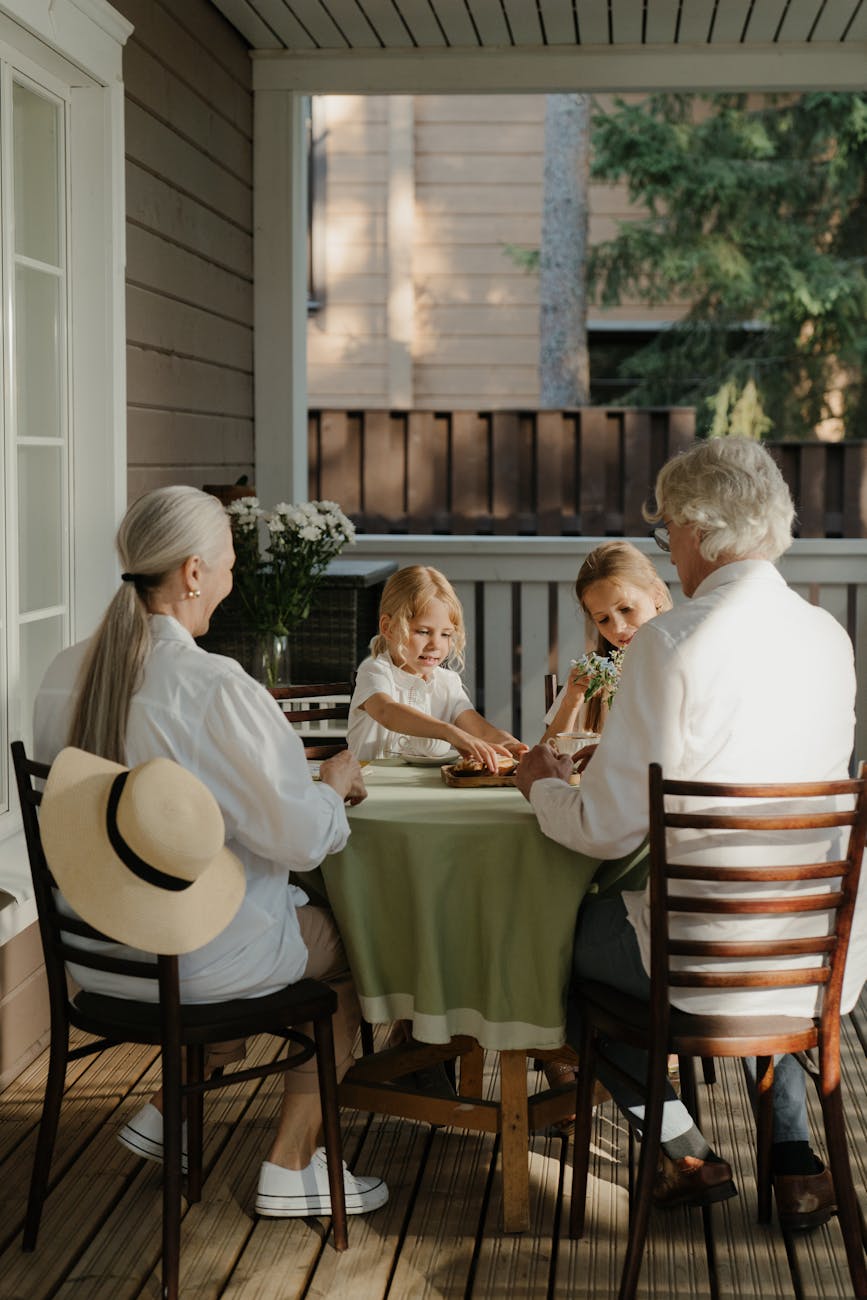
Spending time with grandparents often leads to beautiful memories that deserve to be preserved and shared. Memory books are one of the most thoughtful ways to celebrate family history and strengthen bonds across generations. These keepsakes bring stories to life through photos, written memories, and treasured mementos that help grandparents reflect on their experiences. Beyond being sentimental gifts, memory books offer emotional and cognitive benefits that support connection and well-being in later life.
Why Memory Books Matter for Aging Loved Ones
A memory book is far more than a simple photo album. It serves as a valuable reminder of a grandparent’s journey, filled with the people and moments that shaped their life. Looking through a collection of familiar images and notes can bring comfort, evoke positive emotions, and stimulate the mind. These books are significant for seniors adjusting to new stages of life, especially when transitioning to environments that require additional support or care.
Families who are exploring care options for their loved ones can find inspiration by visiting senior care homes in Overland Park. These facilities often encourage memory-based activities like photo albums and life story projects that promote emotional connection and cognitive engagement. Incorporating similar activities at home allows families to maintain a sense of continuity and personal identity for their loved ones.
Memory books can also be part of reminiscence therapy, helping seniors recall long-term memories and share their life experiences with younger generations. This exchange of stories brings families closer, creating opportunities for both laughter and learning. It reminds grandparents that their lives continue to shape their family’s identity.
Essential Elements of an Effective Memory Book
When building a memory book, simplicity is key. A clear layout with uncluttered pages helps seniors stay focused on each memory without feeling overwhelmed. Each page should have room for one or two photos and short captions that describe the moment or people in the image. High-quality printing and strong contrast between text and background make it easier for seniors with visual challenges to enjoy.
Captions play an important role in connecting photos with memories. Using short, clear sentences written in large font helps ensure that every story remains easy to follow. Adding names, dates, and brief descriptions provides helpful context and avoids confusion. Instead of long stories, aim for concise details that capture the essence of each event.
Chronological organization works especially well for seniors. Starting from early childhood and moving toward more recent events allows for a natural flow through time. Many older adults find it easier to recall distant memories, and the gradual timeline helps trigger recognition and conversation.
Adding tactile and sensory elements brings another dimension to memory books. Fabric swatches, textured papers, or small keepsakes can make each page more interactive. These sensory cues often spark memories and emotions that words or photos alone cannot. This thoughtful approach makes memory books more meaningful and comforting for grandparents.
Choosing and Preparing Photos for Memory Books
Selecting the right images is crucial for making the memory book engaging and emotionally resonant. Choose clear, high-quality photos that capture both major milestones and everyday moments. Pictures from childhood, family gatherings, weddings, or vacations help illustrate a lifetime of experiences. Everyday moments—such as gardening, cooking, or playing with grandchildren—add warmth and personality.
Balancing old and new photos can help grandparents connect the past with the present. Older photos may evoke strong memories, while recent ones reinforce current relationships and experiences. Families can use editing tools to restore faded images or enhance clarity, ensuring that each picture remains easy to recognize.
Themes That Create Emotional Connection
Themes make memory books more cohesive and personal. Childhood memories are often vivid and meaningful for seniors. Including pictures of their hometown, school days, and early family life encourages storytelling and reflection.
Career milestones also provide a strong sense of pride and identity. Including photos of work achievements or community involvement shows appreciation for their contributions. Family traditions and holiday celebrations highlight the continuity of shared experiences across generations, reminding seniors that their legacy continues.
Travel photos are another wonderful inclusion. They can bring back memories of exploration, happiness, and discovery. Photos from trips or special places can transport seniors back to cherished times and inspire joyful reflection.
Adapting Memory Books for Seniors with Memory Challenges
For seniors experiencing cognitive changes or memory loss, the focus should shift from accuracy to emotion. Rather than emphasizing exact dates or facts, highlight images that inspire warmth and recognition. Pictures that evoke feelings of love, joy, or accomplishment often bring the most comfort.
Incorporating sensory triggers can enhance engagement. Adding textures like soft fabric, pressed flowers, or familiar scents creates a multi-sensory experience. Even when specific memories fade, these sensory elements can help grandparents connect emotionally with the content.
Music also holds power in memory recall. Including song lyrics or QR codes linking to meaningful tunes can make the experience more immersive. Listening to music while viewing photos encourages relaxation and helps seniors connect emotionally with their past.
Creating Memory Books Together as a Family
Building memory books as a family project turns the process into an experience of connection and learning. Each family member can contribute photos, stories, or personal notes that reflect their unique relationship with the grandparent. This shared activity strengthens bonds and ensures the final book captures a full picture of the person’s life.
If possible, include the grandparent in the creation process. Ask them to share stories or help identify people in photos. Recording these conversations can preserve their voice and personality for future generations. Family gatherings can become opportunities to exchange memories, laughter, and appreciation.
For families separated by distance, collaboration can still happen digitally. Shared online folders or video calls allow everyone to contribute photos and ideas. Consistent communication helps ensure the project remains collaborative and meaningful, even across miles.
Take the Next Step in Preserving Family Memories
Creating a memory book is a heartfelt way to honor a grandparent’s life and connect generations through shared stories. These books provide comfort, joy, and identity, serving as lasting reminders of love and legacy. For families looking to support aging relatives and maintain emotional bonds, now is the perfect time to begin gathering photos and stories. Whether at home or while exploring senior care homes in Overland Park for a loved one, this project can help ensure that every chapter of your family’s story is remembered and celebrated.
Leave a Reply
You must be logged in to post a comment.