
The Do’s and Don’ts of Supporting Someone After an Injury
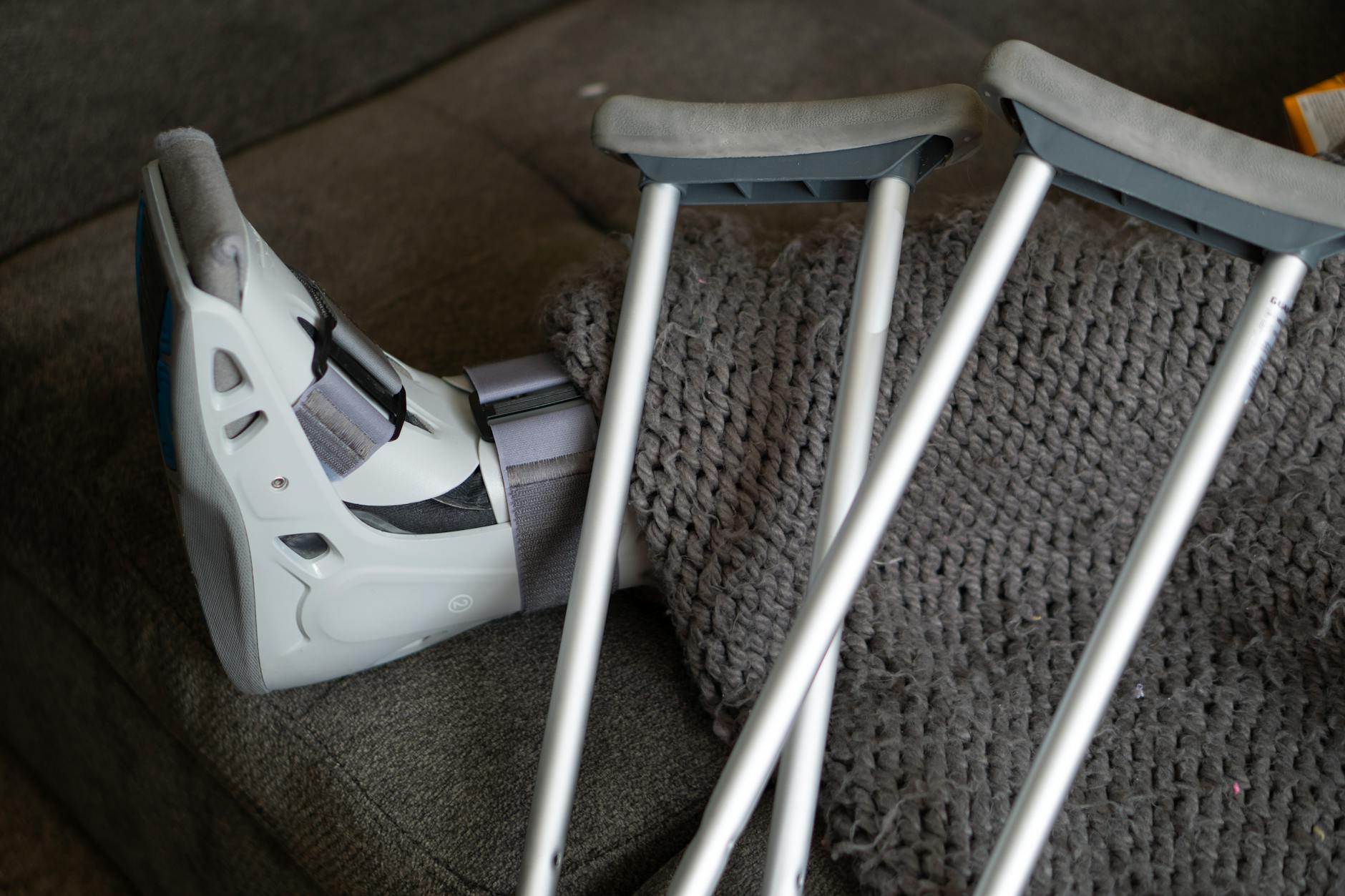
If someone close to you has suffered a serious injury, then you might feel compelled to lend them your support. Knowing the most effective ways to help can be crucial. You might want to involve yourself – but, at the same time, it’s important to respect any boundaries set by the injured person.
Let’s run through a few of the ‘do’s and ‘don’t’s associated with this situation.
Do: Listen and Validate Their Feelings
Being able to listen can often be very helpful. Show them empathy, and resist the temptation to chime in with solutions. If they tell you that they’re feeling a particular emotion, then try to avoid dismissing it.
Don’t: Make Assumptions About Their Needs
Every injured person copes with their situation in a slightly different way. Don’t make assumptions about their needs. If you do the shopping for them, for example, you might be helping out – or, you might be robbing them of a valued chance to get out of the house.
In other words, it’s best to act before you decide to help.
Do: Offer Practical Support With Everyday Tasks
On the other hand, it might be that you can make a big difference by pitching in with basic chores and errands. You can reduce the workload by loading the dishwasher, or doing the ironing. Find out which tasks represent the biggest problem, and offer your assistance.
Don’t: Minimize Their Injury or Struggles
You might feel tempted to make them feel better about their problem by declaring that it isn’t as bad as they say it is. Even with the best intentions, this can be demoralising and annoying.
Do: Encourage Independence and Empowerment
One of the worst things about a severe injury is that it might rob a person of a degree of autonomy and control over their life. You should try to support any attempt to reclaim some of that control – even if it’s just a small step.
Don’t: Push for Recovery on Your Timeline
A timeline can be a hugely beneficial thing – but not when it’s being imposed from outside. You can talk to them about their goals, but don’t be pushy.
Do: Suggest Professional Help When Appropriate
It might be that you find yourself taking part in a conversation for which you feel underqualified. At this point, it might be a good idea to encourage contacting a professional. This professional might be a therapist, a doctor, or a lawyer. For example, amputation claims are a great way to get compensation, but only if they’re pursued by a professional.
Don’t: Forget to Take Care of Yourself as a Supporter
If you can’t take care of yourself, then you might struggle to take care of the person you’re looking after. Make time for yourself, especially if you feel exhausted by the hours you’ve committed to supporting your injured friend or family member.
Leave a Reply
You must be logged in to post a comment.