
Creating a Comfortable Home for Aging in Place
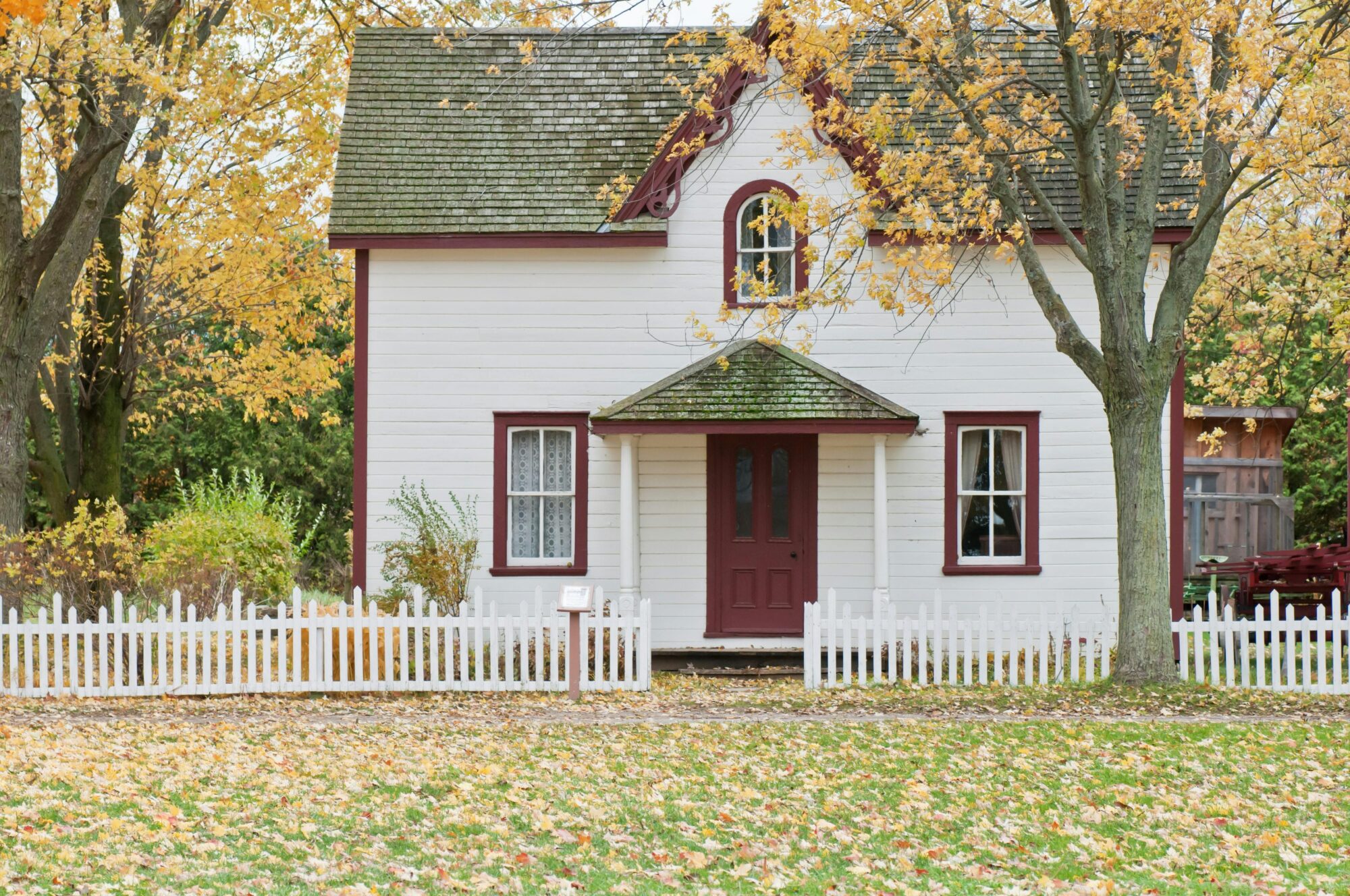
Aging in place has become a popular choice for many older adults. Instead of moving to a retirement community or assisted living facility, more people are choosing to stay in their own homes.
But as the years go by, the needs inside a home start to change. Things that once felt simple, like walking across a room or reaching for a light switch, may become harder. That’s why it’s a good idea to make a few updates. These changes don’t have to be expensive or overwhelming. In fact, small improvements can make a big difference.
If you’re thinking about aging in place for yourself or a loved one, comfort and safety should come first. That includes the way your home handles air, temperature, lighting, movement, and access to essential areas like the bathroom and kitchen.
Start With Better Climate Control
Temperature plays a bigger role in comfort as we age. Seniors often feel cold more easily, or may not notice heat building up in the room. Sudden changes in temperature can also impact sleep or overall health. That’s why a reliable heating and cooling system is a smart place to start when making home updates.
Ductless systems are often used in homes for their flexibility and ease of use. They allow you to control temperatures in different zones, which helps cut down on energy use and keeps each space comfortable. They’re also quieter than many traditional systems, which adds to the peace of the home.
But like any appliance, these systems wear down over time. Older models might take longer to heat or cool a room. Some may lack features that make daily life easier—like a remote control, smartphone connection, or even programmable settings. If your current setup doesn’t respond well or feels outdated, it might be time to replace your ductless system with a model that fits your current needs better.
Newer ductless units are more energy-efficient and come with features designed for convenience. Many allow you to adjust the temperature with a remote or app, which helps if mobility becomes a concern. Some also come with air purification features, which support better indoor air quality.
Replacing an old system isn’t just about comfort. It’s about peace of mind. When the home stays at a steady, comfortable temperature, it makes daily life easier and more relaxing—something that’s important at any age.
These systems also don’t require ducts, which is helpful in older homes where retrofitting ducts might be expensive or impractical. It’s a practical upgrade that can pay off in both comfort and efficiency.
Improve Lighting and Visibility
Good lighting supports safety and makes daily tasks easier. As eyesight changes with age, dark rooms and harsh shadows can become more of a problem. A well-lit home helps reduce the risk of trips or falls, and also makes it easier to cook, clean, or read comfortably.
Start by adding more light in areas where movement happens most—hallways, staircases, and entryways. These spaces should have bright, consistent lighting from wall sconces, ceiling fixtures, or motion-sensor lights. In living spaces, task lighting near chairs and desks can help with hobbies like sewing, reading, or writing.
LED lights are a great option. They’re long-lasting and use less energy, so there’s less need to replace them often. Look for bulbs that offer a soft white or warm tone to avoid harsh brightness. Smart lighting is also worth considering. Voice-controlled or app-connected bulbs allow easy adjustments without needing to get up or walk across a room.
Motion-sensor lights near beds, bathrooms, and hallways can also help with nighttime movement. These turn on automatically when someone walks by, which helps prevent stumbling in the dark.
Better visibility supports independence. It gives you the confidence to move freely and get things done without struggling to see clearly.
Make Bathrooms Safer and More Accessible
Bathrooms are one of the most common places where accidents happen. Wet floors, tight spaces, and low surfaces can all present a challenge. Making a few changes in this room can improve safety and comfort.
Start with grab bars. Install them near the toilet and inside the shower. These bars help with balance and provide something to hold when sitting or standing. Choose models that are sturdy and mounted into wall studs, not just the tile.
Consider switching to a walk-in shower instead of a tub. Stepping over a high tub wall can be hard on the knees and dangerous if balance is shaky. Walk-in showers with hand-held showerheads and built-in seating give more control and comfort. Non-slip tiles or mats help reduce the chance of slipping.
Faucets with lever handles are easier to grip than knobs. They require less effort and don’t strain the hands. A raised toilet seat can also help by making it easier to sit and stand.
If someone in the household uses a wheelchair, look for vanities with open space underneath. This allows access without bumping into cabinets or doors. Small changes like these can turn a high-risk space into a safer, more usable one.
Update Flooring for Stability and Ease
Flooring may seem like a minor detail, but it affects how easily you can move through your home. Thick carpet can make walking harder, especially if you use a walker or cane. Loose rugs can slide around and cause trips. Slippery tile can become a hazard in wet areas.
Replace worn or risky flooring with low-pile carpet, vinyl, or rubber flooring. These materials offer a smoother surface and more traction. In open floor plans, try to avoid raised thresholds or uneven transitions between rooms.
If you keep area rugs, add rubber grips underneath to hold them in place. Or, remove them altogether to lower the risk of falling. Look for flooring options that are easy to clean and durable. These features help the space stay safe and look good at the same time.
Smooth, stable floors support mobility and reduce daily risks. With the right flooring, you can move around with more ease and less worry.
Aging in place doesn’t mean settling for less comfort. With thoughtful updates, your home can remain safe, easy to live in, and pleasant as you grow older. Each small change adds up, making daily life more manageable. Whether it’s better air control, safer flooring, or brighter lighting, these improvements help create a space where you can stay longer and feel more at home.
Leave a Reply
You must be logged in to post a comment.